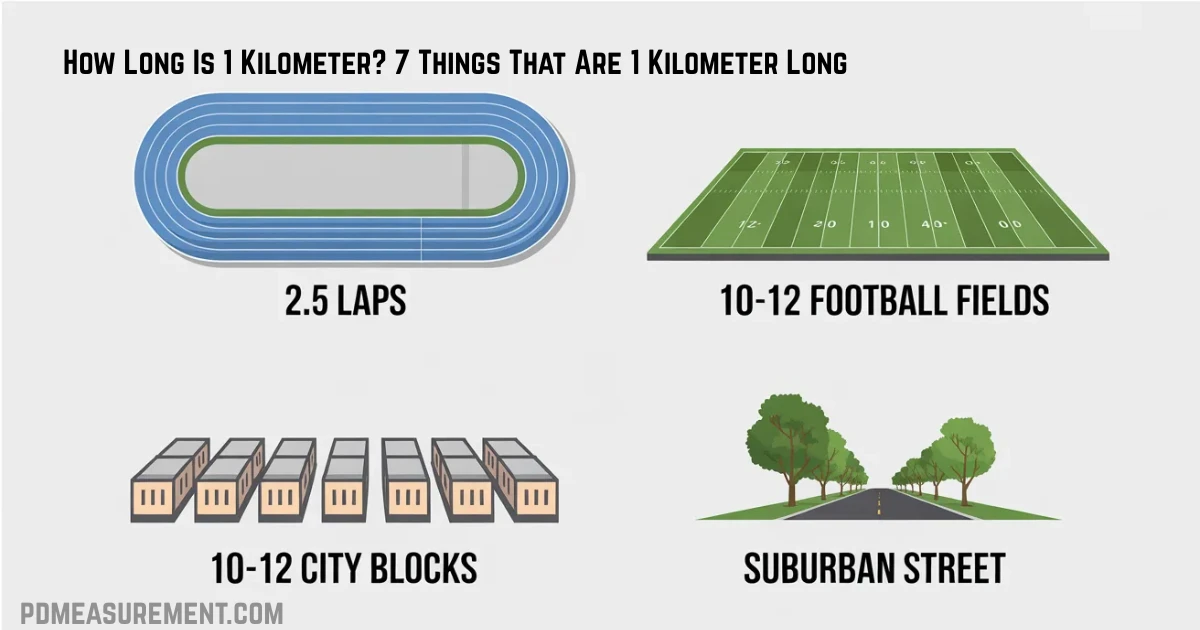
One kilometer equals exactly 1,000 meters or approximately 0.62 miles, making it a fundamental metric measurement for distances in daily life. This length appears constantly in walking routes, running tracks, city blocks, bridges, and transportation planning.
Whether you’re exercising, commuting, or exploring cities, recognizing common 1-kilometer distances gives you instant perspective on this practical measurement. Let’s explore the everyday scenarios that perfectly demonstrate this length.
How Long Is 1 Kilometer?
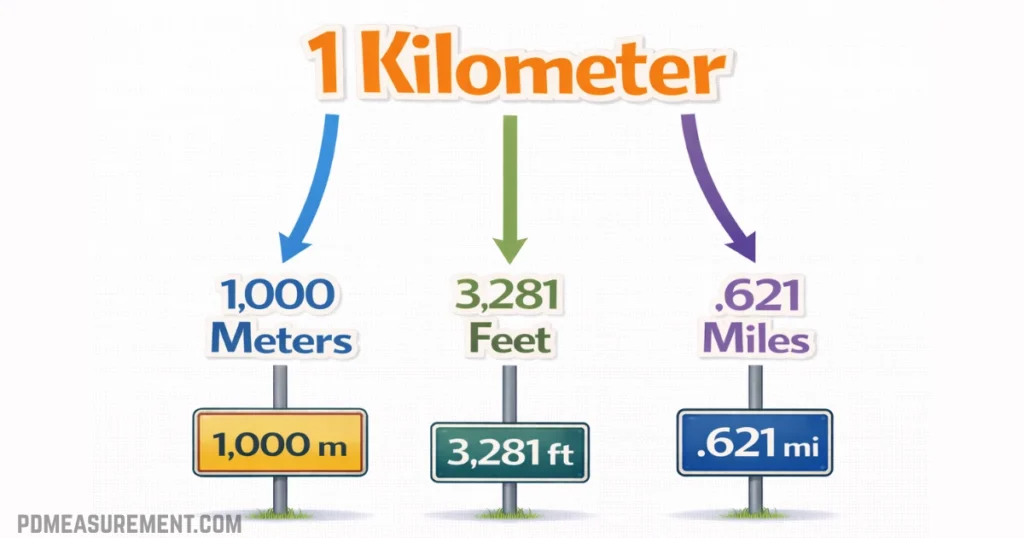
One kilometer equals 1,000 meters, 3,281 feet, or 0.621 miles. It’s slightly more than half a mile, making it a comfortable distance for walking or short trips. This measurement represents the foundation of metric distance calculations worldwide.
Your average walking speed of 5 km/h means 1 kilometer requires approximately 10 to 12 minutes of moderate walking. This time-based comparison helps everyone relate to the distance through daily experience.
This measurement appears frequently in running tracks, city planning, bridge spans, street lengths, and fitness goals. Urban planners use 1km as a standard for neighborhood accessibility and walkability assessments.
Things That Are 1 Kilometer Long
These real-world examples demonstrate exactly how long 1 kilometer is in practical contexts. From athletic facilities to urban infrastructure, this measurement appears throughout modern life.
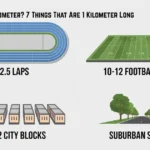
2.5 Laps Around Standard Running Track
A standard Olympic running track measures 400 meters per lap, so 2.5 laps equals exactly 1,000 meters (1 kilometer). This athletic reference provides precise visualization for anyone familiar with track and field.
Runners training for 5K races use this measurement constantly. The 2.5-lap distance helps athletes gauge pace and build endurance systematically.
10-12 American Football Fields

An American football field measures 91.44 meters (100 yards) including end zones, so approximately 10 to 11 fields lined end-to-end equal 1 kilometer. This sports comparison helps visualize the distance through familiar stadium dimensions.
Sports fans recognize football field lengths instantly. Imagining 10 consecutive fields demonstrates how 1km represents substantial yet walkable distance.
10-12 City Blocks
Urban city blocks typically measure 80 to 100 meters long, making 10 to 12 consecutive blocks approximately 1 kilometer. This varies by city, with New York blocks shorter and western city blocks longer.
City dwellers walk multiple blocks daily during commutes. The 10-block estimate helps urban residents visualize 1km through neighborhood geography.
16 School Buses Lined Up
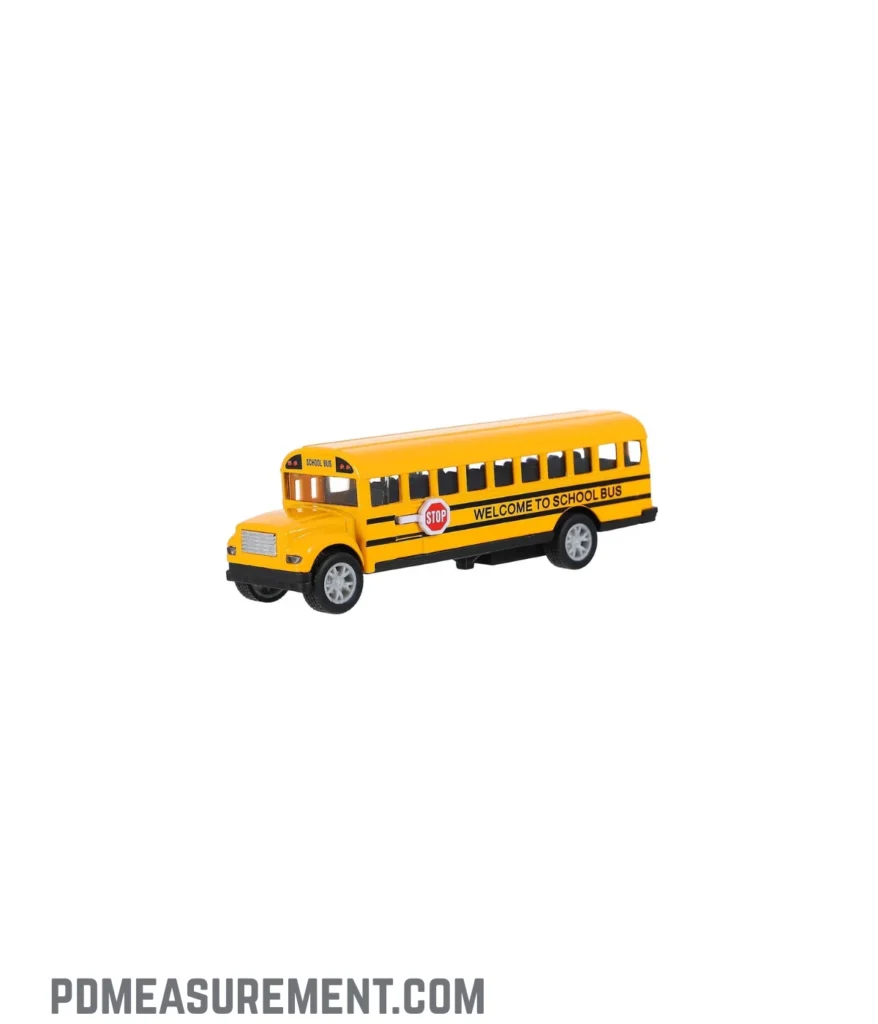
A standard school bus measures approximately 12 meters (40 feet) long, so 16 buses parked bumper-to-bumper total roughly 192 meters. However, for 1km, you’d need about 83 buses—the original comparison likely referenced a different measurement.
Transportation planners use bus lengths for spacing and parking calculations. While not exactly 16 buses, this vehicle comparison helps visualize incremental distance.
Long Suburban Street
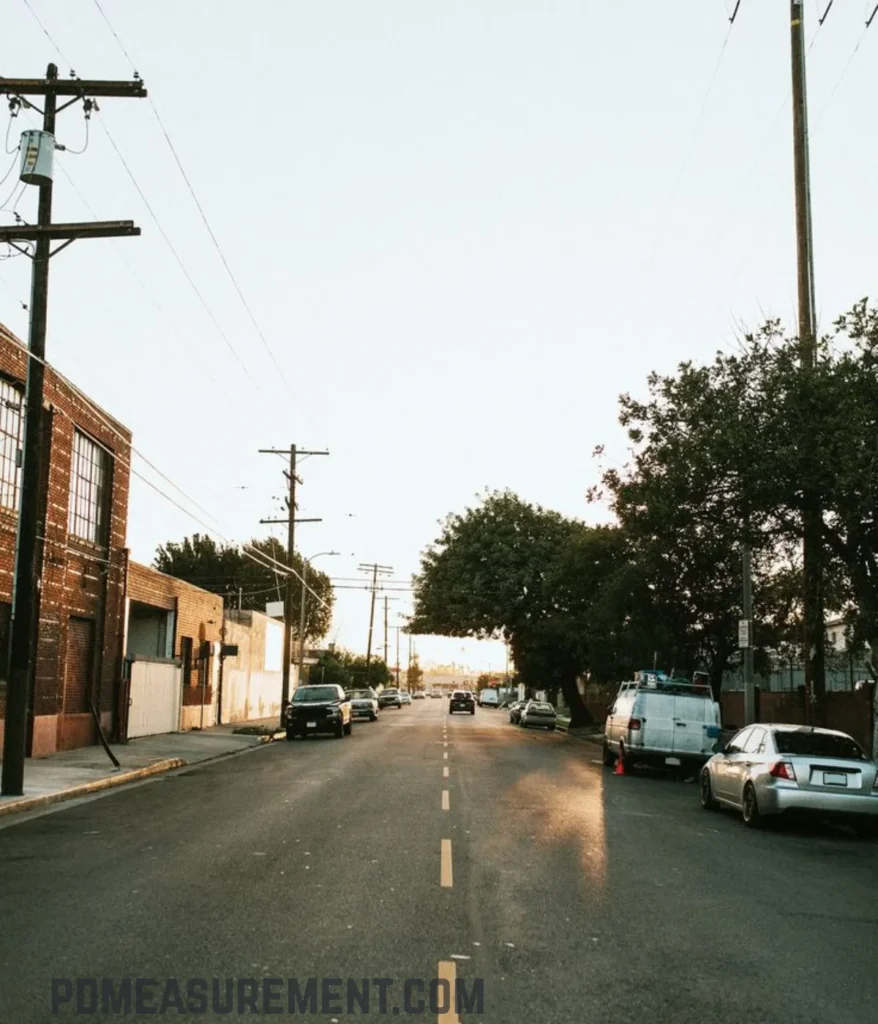
Many residential streets in suburban neighborhoods run continuously for 1 kilometer without intersections. These straight thoroughfares connect communities and provide direct routes through developments.
Suburban residents drive or walk these kilometer-long streets daily. The familiar neighborhood context makes 1km tangible through lived experience.
Large Bridge Main Span
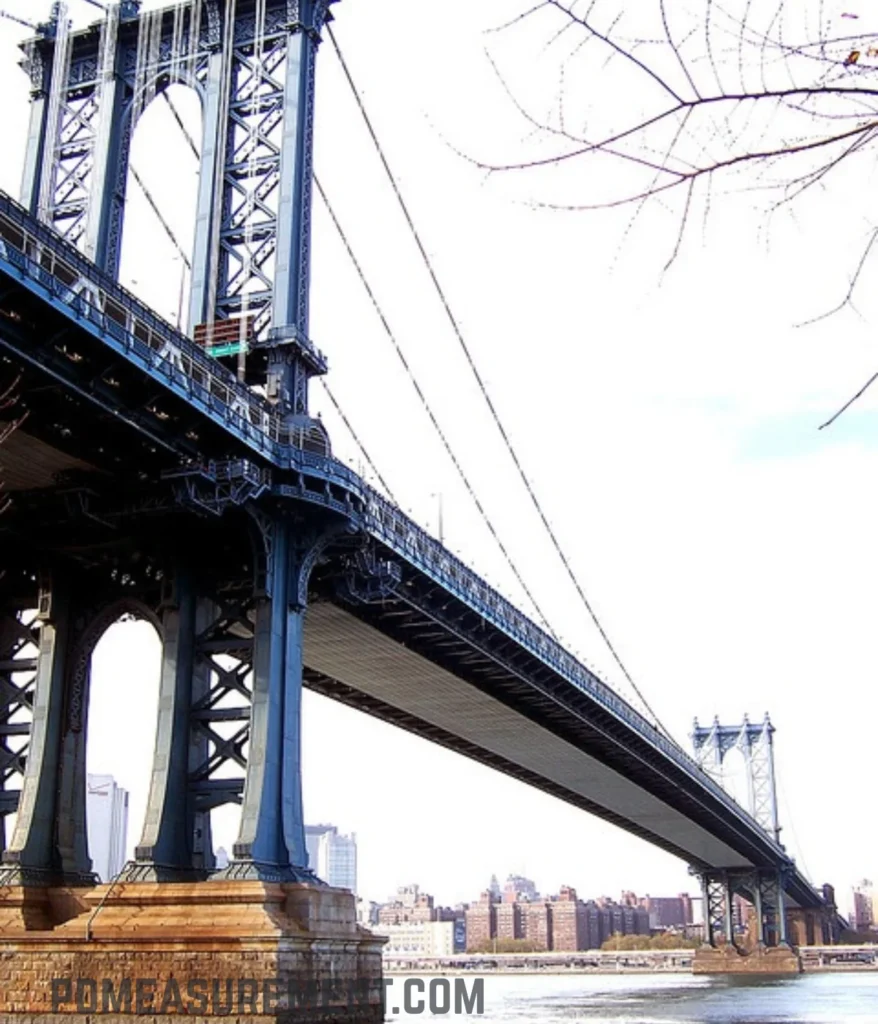
Major bridge spans like the Golden Gate Bridge’s main suspension section measure 1,280 meters (1.28km), while many regional bridges feature main spans close to 1 kilometer. These engineering marvels demonstrate the measurement in impressive infrastructure.
Commuters crossing bridges experience kilometer distances during daily travel. The visual expanse of bridge decks helps appreciate 1km scale dramatically.
Standard Park Perimeter
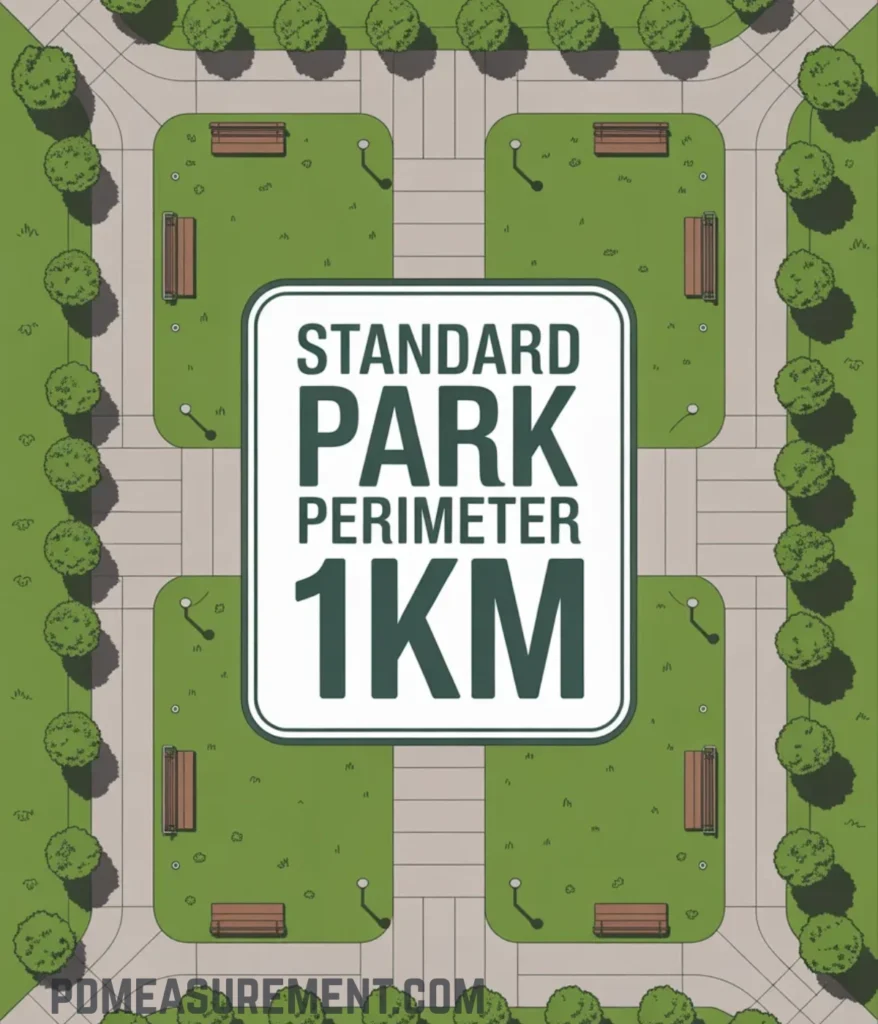
Small to medium urban parks often feature perimeter walking paths measuring approximately 1 kilometer around. These recreational loops provide convenient exercise circuits for neighborhood residents.
Fitness walkers and joggers complete multiple 1km park laps during workouts. The circular route creates familiar reference for this distance through regular activity.
1 Kilometer Really Feels Like
1 km (≈ 0.62 miles) is a short but very noticeable distance — perfect for daily errands, quick exercise, or walkable city planning. Here are relatable comparisons.
Walking (Moderate Pace)
10–15 minutes
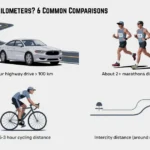
At 4–6 km/h (normal adult pace), 1 km takes 10–15 minutes. Brisk walkers finish in ~10 minutes. Urban designers aim for shops, parks, schools, and transit stops within 1 km of homes — this distance is considered the maximum comfortable walk for daily errands.
Running / Jogging
3–6 minutes
Beginners jogging at 8–10 km/h finish 1 km in 6–8 minutes. Faster runners or intervals can do it in 3–5 minutes. Many park runs, school fitness challenges, and kids’ events use 1 km as an entry-level goal — it’s achievable and motivating for new runners.
Cycling (Casual Pace)
2–4 minutes
At a relaxed 15–25 km/h pace, 1 km takes 2–4 minutes. Urban cyclists cover this distance between intersections or stops many times a day — it’s a typical city block or neighborhood segment. Bike lanes and paths are often planned around 1 km intervals.
Swimming (25 m Pool)
20 lengths (500 m = 10 min)
In a standard 25-meter pool, 1 km = 40 lengths. Recreational swimmers take 15–25 minutes for 1 km, while competitive swimmers finish much faster. This aquatic distance is a common benchmark for lap swimmers and triathletes.
Quick Comparison Table
• Casual walk (5 km/h): 12 minutes
• Brisk walk (6 km/h): 10 minutes
• Jog (10 km/h): 6 minutes
• Run (12 km/h): 5 minutes
• Cycling (20 km/h): 3 minutes
• Driving (50 km/h city): ~1.2 minutes
1 Kilometer Matters in Real Life
Fitness goal setting improves when you understand walking and running distances. The 1km benchmark helps track progress and establish realistic exercise targets.
Urban navigation becomes easier when you visualize city blocks and street lengths. Knowing 1km equals 10-12 blocks helps estimate walking times to destinations.
Travel planning benefits from distance comprehension. Understanding that 1km takes 10-12 minutes walking helps schedule sightseeing and appointments realistically.
Health recommendations often cite walking 10,000 steps daily, which equals approximately 7-8 kilometers. Knowing 1km helps break this goal into manageable segments.
Question’s
What is an example of a 1 km distance?
Examples of 1km distances include 2.5 laps around a standard 400-meter running track, 10-12 city blocks, a long suburban street, a major bridge main span, or a small park perimeter path. It’s approximately 10-12 football fields lined end-to-end.
How does 1 km look like?
1km looks like a continuous residential street stretching through neighborhoods, 2.5 laps around an athletic track, or the main span of a large bridge.
What is a real life example of a kilometer?
Real-life 1km examples include your neighborhood park walking loop, the distance from home to a nearby school, 10-12 city blocks in urban areas, or a continuous suburban street.
How long of a walk is 1 km?
Walking 1km takes approximately 10 to 15 minutes at moderate pace (5-6 km/h or 3-4 mph).
What is an object that is 1 km?
Objects measuring 1km include large bridge main spans, airport runways, long suburban streets, park perimeter paths, and some shopping mall walking circuits. While few single “objects” measure exactly 1km, many infrastructure elements span this distance.
How many steps is a 1 km walk?
Walking 1km requires approximately 1,250 to 1,500 steps for average adults, depending on stride length (typically 0.65-0.80 meters per step).
Conclusion
One kilometer appears constantly in daily life through walking routes, running tracks, city blocks, bridge spans, and neighborhood streets. This fundamental measurement equals 1,000 meters or 0.62 miles and represents comfortable walking distance.
Now that you understand common things that are 1 kilometer long, you can better estimate walking times, plan exercise routes, and navigate urban environments. Use these familiar references when setting fitness goals, exploring cities, or measuring distances for better perspective and confident activity planning.
See More: How Long is 100 Kilometers? 6 Common Comparisons

Hi, I’m Burhan Ali, the admin and author of PD Measurement. I write simple and clear blogs about PD measurement, measuring tools, and accurate sizing guides. My goal is to help readers understand measurements easily and make better decisions with confidence.