Two centimeters equals approximately 0.79 inches or just under three-quarters of an inch, making it a small yet noticeable measurement. This length appears constantly in food items, coins, bottle caps, and everyday objects you encounter daily.
Whether you’re cooking, crafting, or just curious about sizes, recognizing common 2cm items gives you instant reference points. Let’s explore the everyday objects that perfectly demonstrate this practical length.
How Long Is 2 Centimeters?
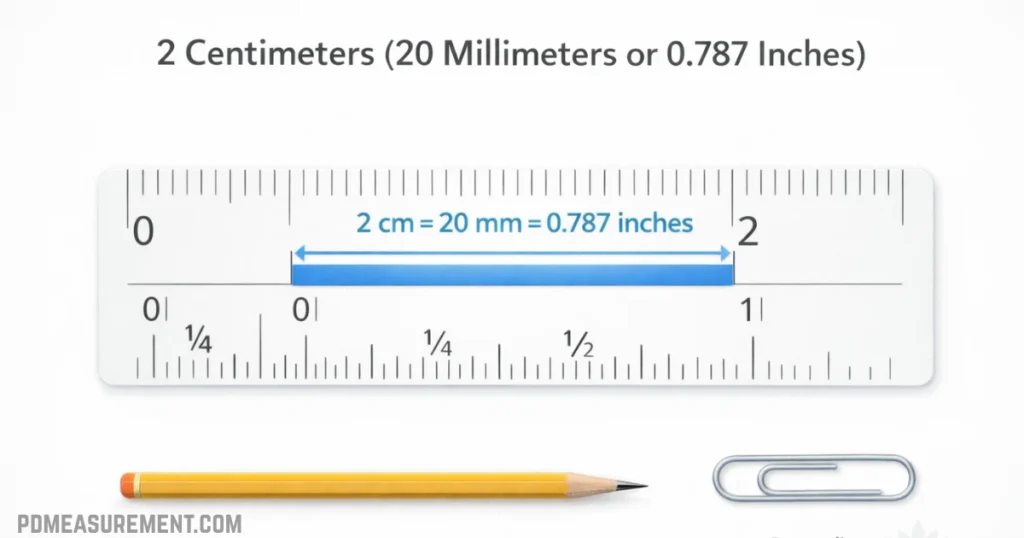
Two centimeters equals 20 millimeters or 0.787 inches. It’s approximately three-quarters of an inch, making it easy to visualize on standard rulers. This compact measurement sits comfortably between small and medium-sized objects.
Your middle finger width at the knuckle measures approximately 1.8 to 2.2cm for most adults. This body reference makes the measurement instantly accessible and available anywhere without tools.
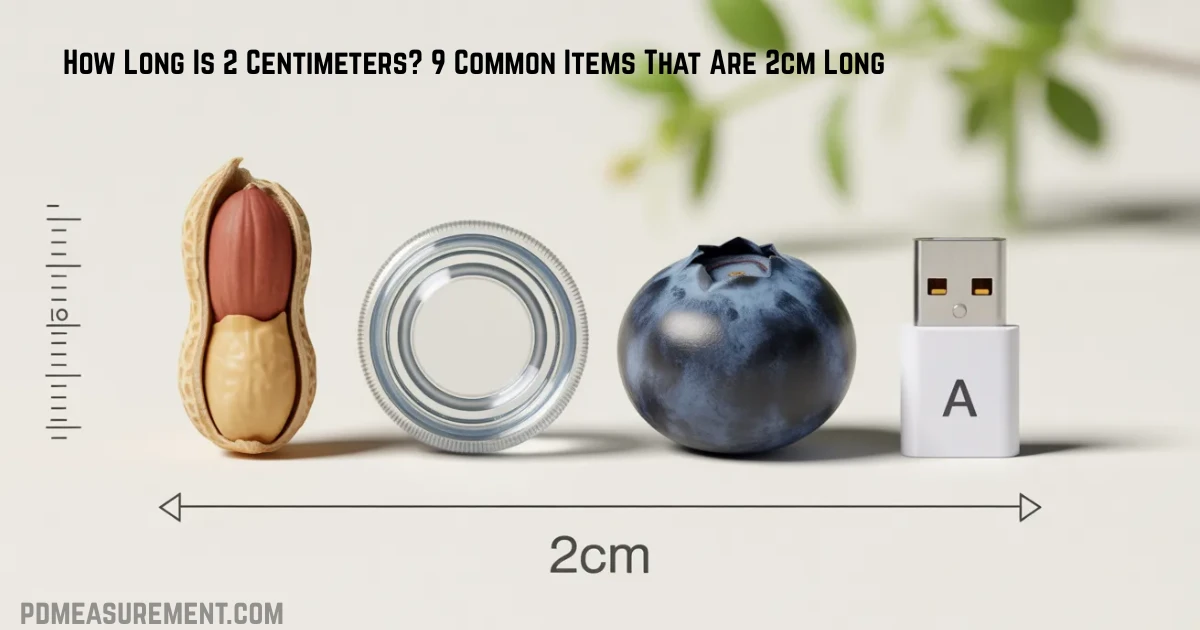
This measurement appears frequently in peanuts, bottle caps, coins, USB connectors, and small candies. Manufacturers use 2cm because it represents optimal sizing for items designed to be handled, eaten, or manipulated easily.
Common Things That Are 2cm Long
These everyday items demonstrate exactly how long 2cm is in real life. From your pantry to your pocket, this measurement shows up more often than you’d expect.
Standard Peanut
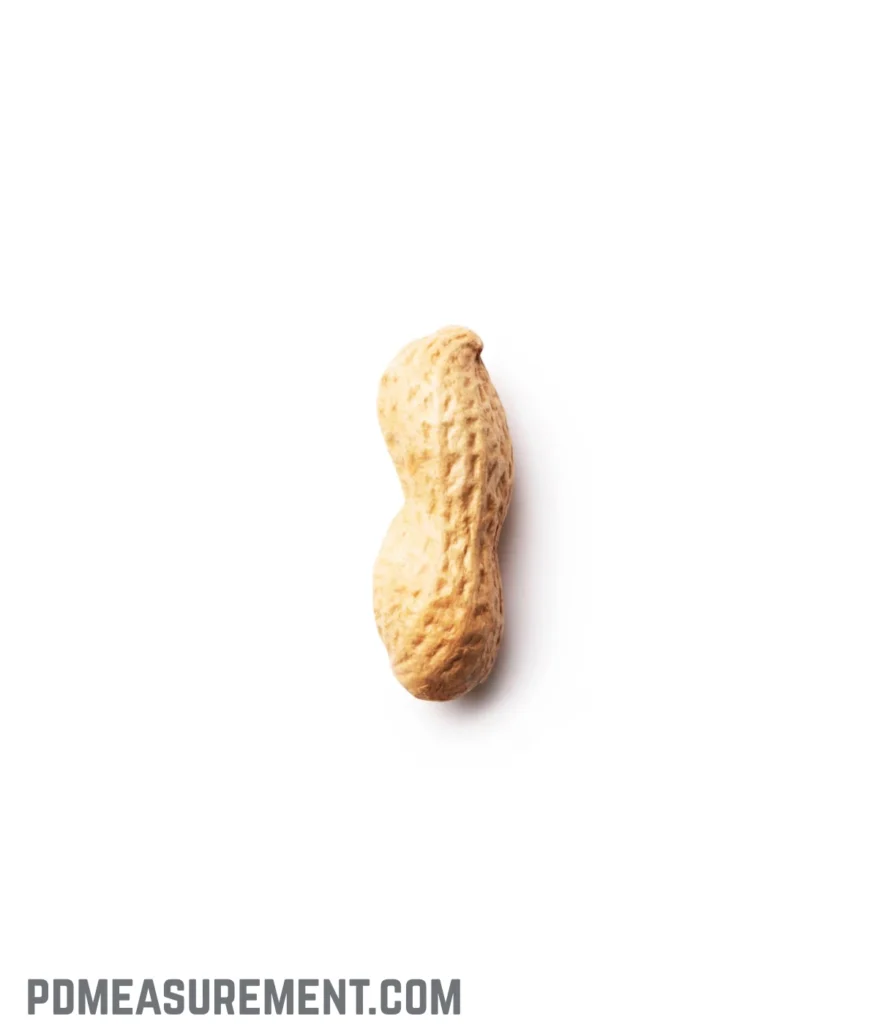
A typical peanut in the shell measures approximately 1.8 to 2.5cm long, with many hitting exactly 2cm. These common snacks provide an edible, accessible measurement reference found in kitchens worldwide.
Snack lovers recognize peanut sizes from countless servings. The 2cm dimension represents average sizing across most peanut varieties.
Soda Bottle Cap
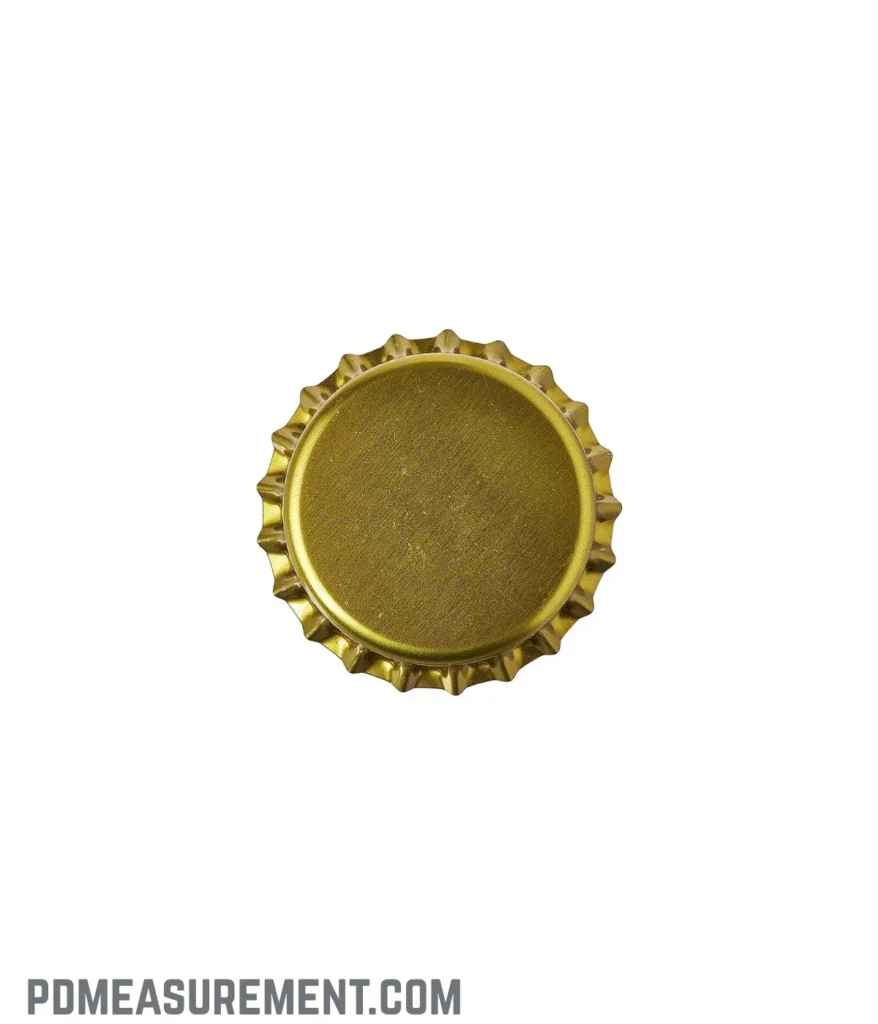
Standard soda and water bottle caps measure approximately 2 to 2.5cm in diameter. These plastic closures appear on billions of beverages consumed daily worldwide.
Beverage drinkers twist off bottle caps constantly without considering their precise dimensions. The 2cm measurement makes them perfect portable references.
US Nickel Diameter
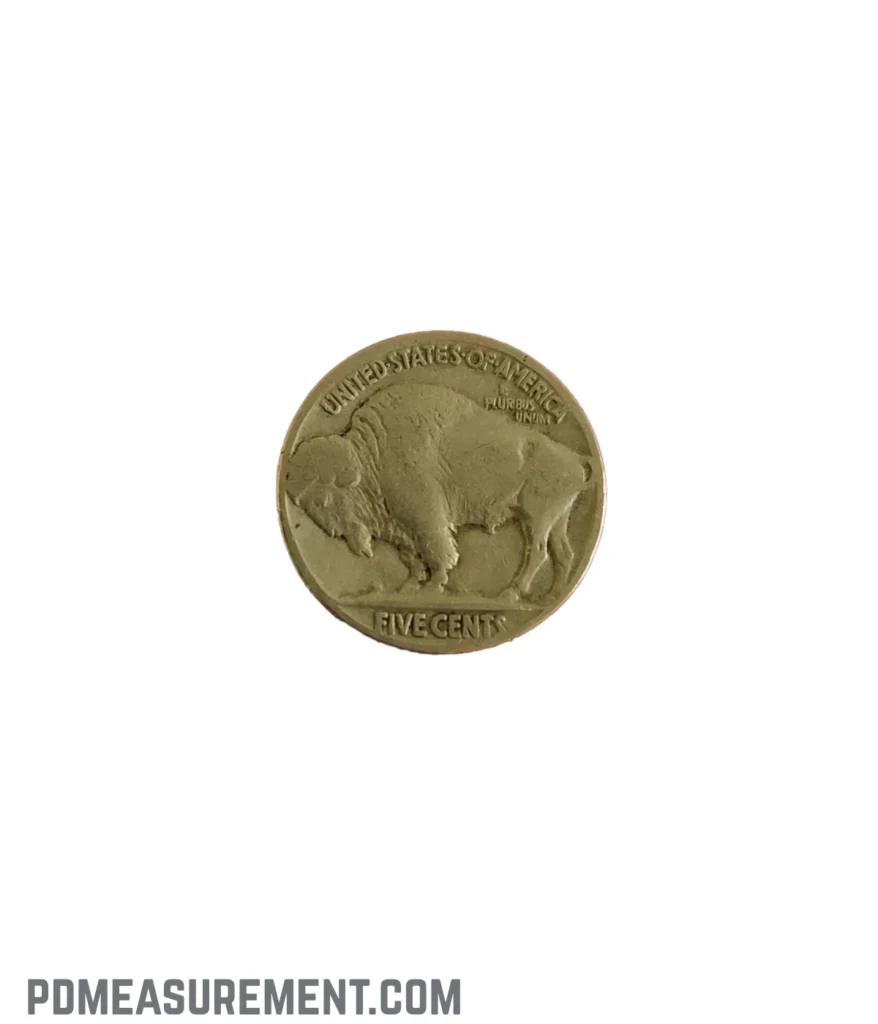
A US nickel measures 2.12cm (21.21mm) in diameter, making it slightly larger than 2cm but close enough for practical comparison. This coin sits in pockets and purses everywhere.
Coin handlers recognize nickel sizes from daily transactions. The near-2cm dimension provides an excellent circular reference.
Middle Finger Width
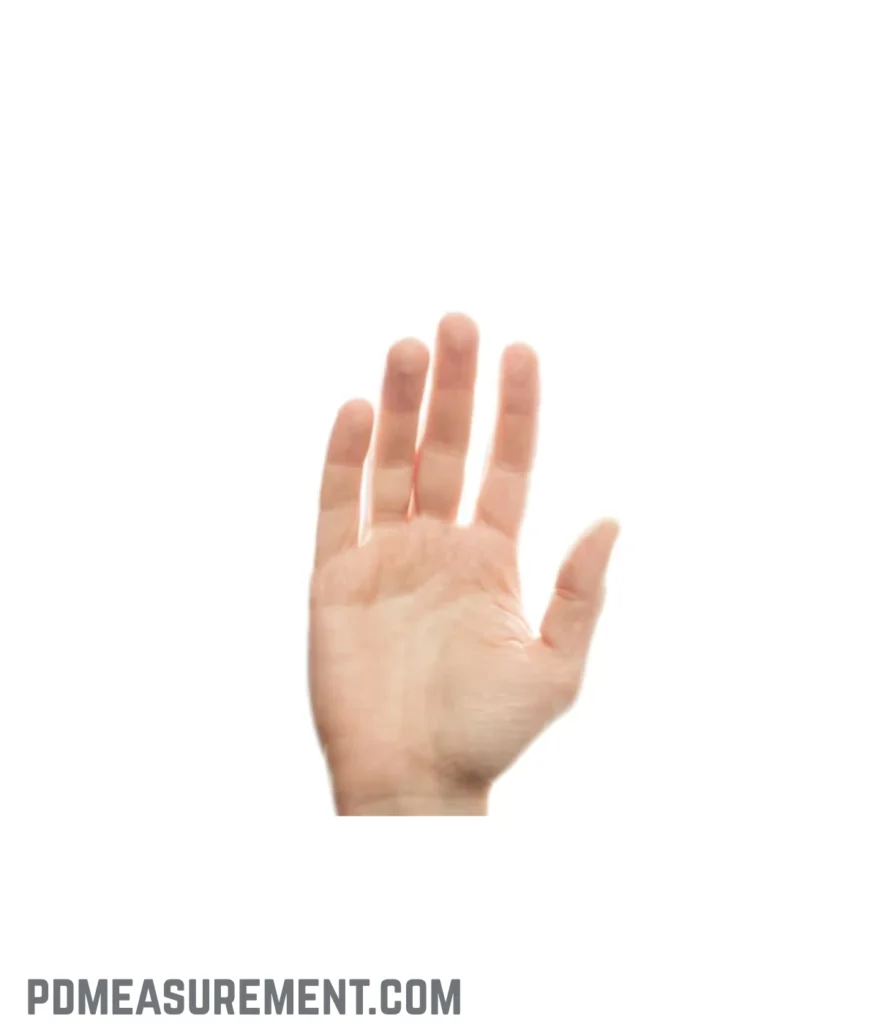
The width of an adult’s middle finger at the widest knuckle point measures approximately 1.8 to 2.2cm. This body measurement travels with you everywhere and requires no tools.
Medical professionals measure finger widths during examinations. The consistent sizing across most adults creates reliable visualization for 2cm.
USB-A Connector (Metal Part)
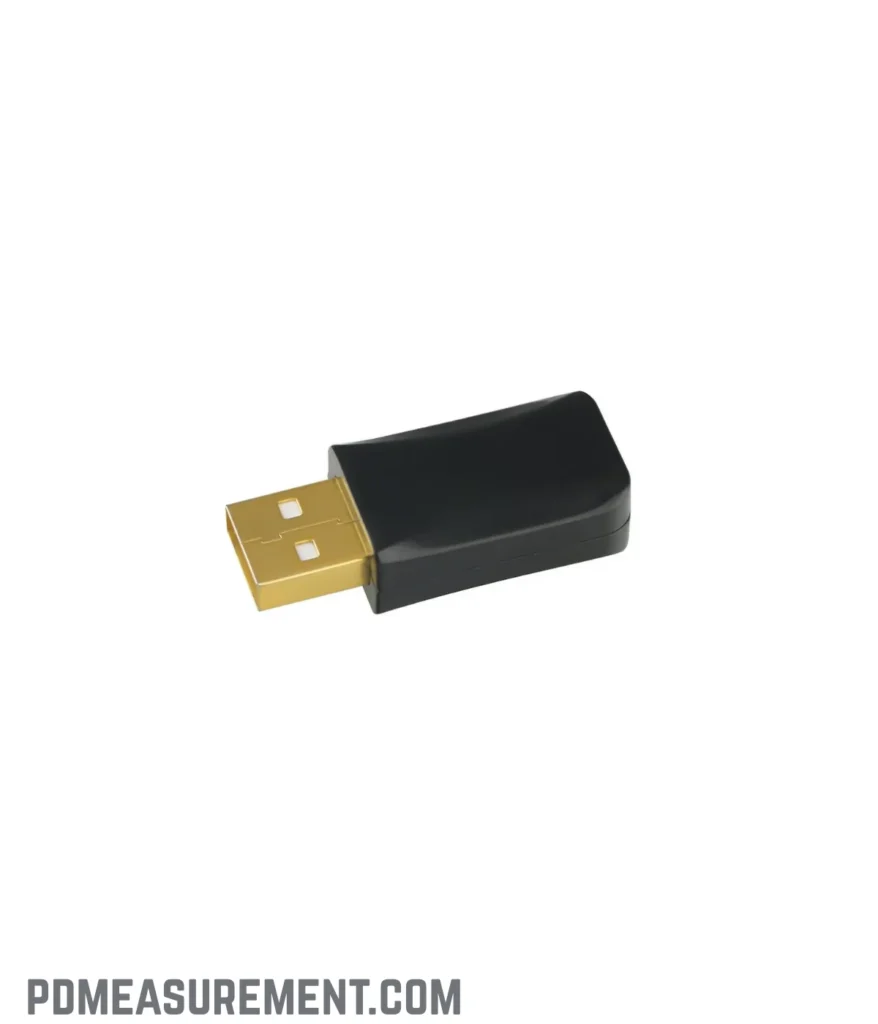
The metal housing of a standard USB-A connector measures approximately 1.8 to 2cm long. These ubiquitous computer ports appear on countless devices and cables.
Tech users plug in USB connectors thousands of times annually. The familiar 2cm length creates instant recognition for this measurement.
Large Blueberry
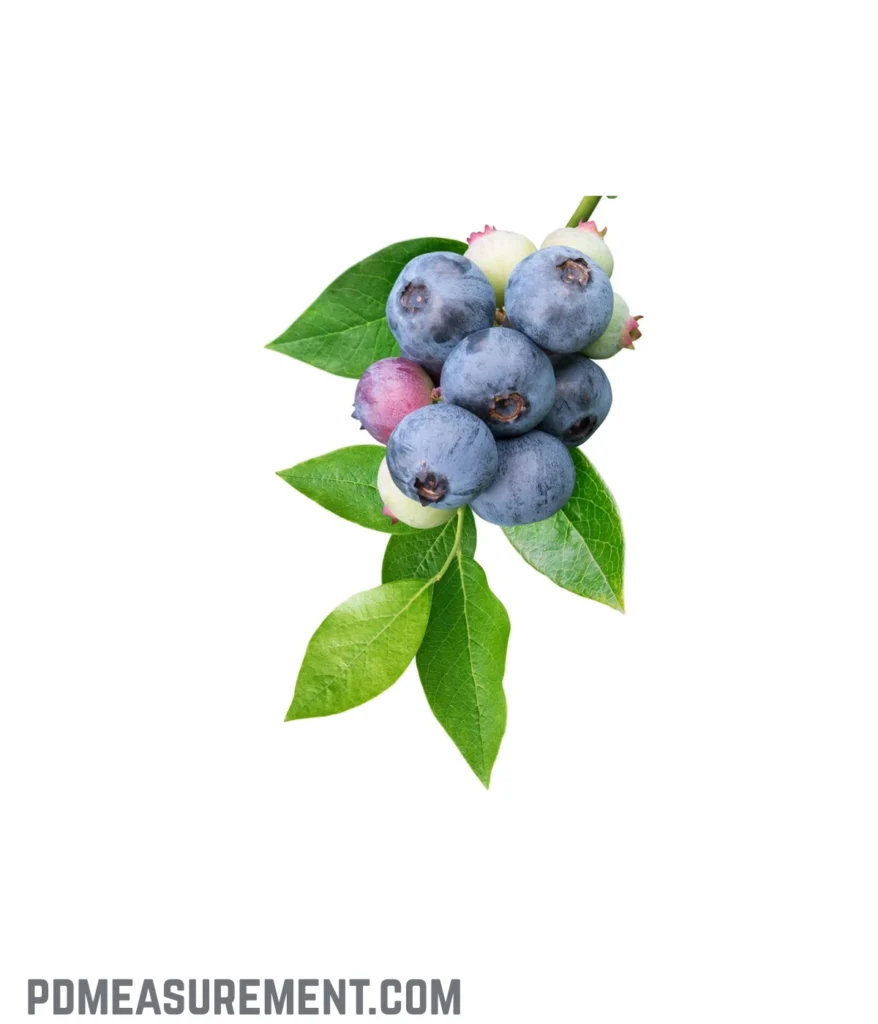
Fresh blueberries typically measure 1.5 to 2cm in diameter, with larger cultivated varieties hitting exactly 2cm. These healthy fruits provide a natural, edible measurement tool.
Health-conscious consumers eat blueberries regularly for antioxidants. The 2cm size represents premium, jumbo berry dimensions.
Standard Game Die
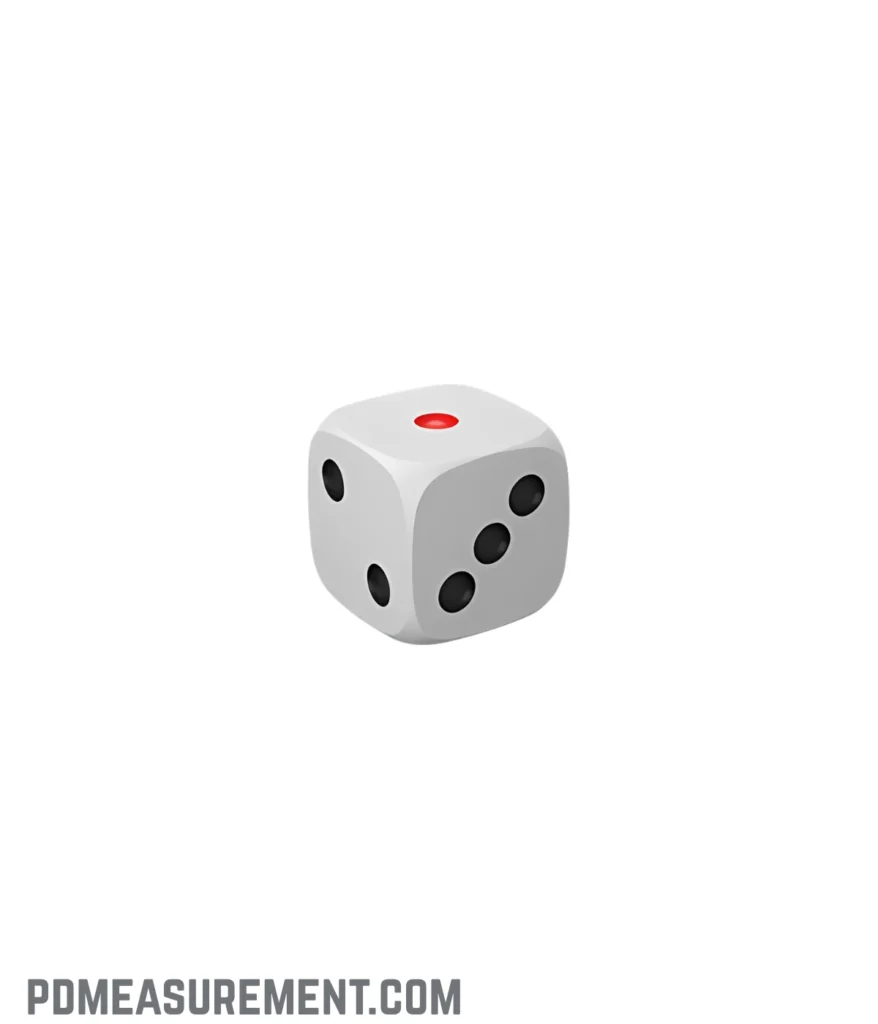
Traditional six-sided dice measure approximately 1.6cm per edge, making them slightly smaller than 2cm but close enough for quick reference. Larger casino dice approach 2cm exactly.
Board game players handle dice constantly during gameplay. The familiar cube shape helps visualize 2cm dimensions in three-dimensional form.
Large Grape

Seedless grapes measure approximately 1.5 to 2.5cm in diameter, with many medium-to-large grapes hitting 2cm. These popular fruits appear in lunchboxes and fruit bowls everywhere.
Shoppers select plump grapes at grocery stores weekly. The 2cm dimension represents desirable, full-sized fruit quality.
Small Button or Coin Cell Battery
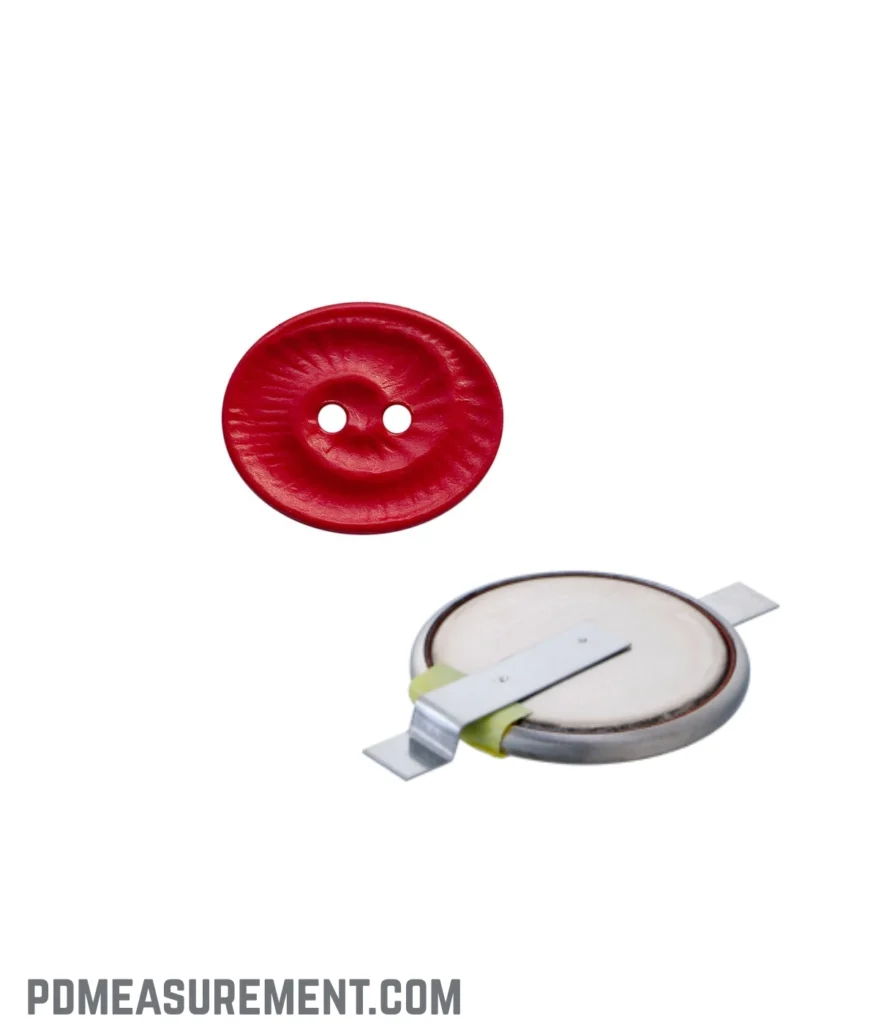
Large shirt buttons and CR2032 coin cell batteries measure approximately 2cm in diameter. These circular objects demonstrate the measurement in everyday clothing and electronics.
Fashion designers select 2cm buttons for statement pieces on jackets and coats. The size balances visibility with functionality perfectly.
2 cm Without a Ruler
Tiny, everyday references to instantly visualize 2 centimeters (≈ 0.79 inches — about the width of a finger knuckle or a coin).
Middle Finger Width at the Knuckle
The widest part of your middle finger at the knuckle is very close to 2 cm for most adults. Hold up your hand and look at or feel that joint — it’s an instant, always-with-you body reference for 2 cm wide.
Peanut in the Shell
A typical peanut still in its shell (the longer kind) measures right around 2 cm in length. Grab one from a snack pack or pantry — the small, oval, ridged shell you hold between your fingers is a perfect, edible reference for 2 cm.
Standard Bottle Cap Diameter
The cap from most soda, water, or beer bottles measures very close to 2 cm across (often 2.0–2.2 cm). Check your recycling bin or fridge — hold the cap between your thumb and finger; its circular width is a super-common, precise reference for 2 cm.
US Nickel Diameter
A US nickel coin has a diameter of exactly 2.12 cm — almost perfectly 2 cm for practical purposes (just 0.12 cm larger). Pull one from your pocket or change jar — the slim, round edge you feel when holding it flat is one of the closest single-coin matches for 2 cm wide.
2cm Matters in Everyday Life
Cooking and baking improve when you understand ingredient sizes. Recipes sometimes specify cutting foods into 2cm pieces for even cooking.
Medical awareness helps when tracking symptoms. Doctors often ask about lesion or swelling sizes around 2cm for diagnostic purposes.
Crafting and jewelry making require accurate small measurements. Understanding 2cm helps you select beads, findings, and components.
Gardening success depends on proper spacing. Many seed packets recommend planting depths or spacing around 2cm for optimal growth.
Question’s
How long does 2 cm look?
Two centimeters looks like a peanut length, a bottle cap diameter, your middle finger width at the knuckle, or slightly smaller than a US nickel (2.12cm). It’s approximately three-quarters of an inch and easily visible to the naked eye.
Is 2 cm the size of a peanut?
Yes, 2cm equals the average length of a standard peanut in the shell, which typically measures 1.8 to 2.5cm. This makes peanuts excellent edible references for visualizing 2 centimeters.
How do I visualize 2 cm?
Visualize 2cm by looking at your middle finger width, a peanut length, a bottle cap diameter, a large blueberry, or a US nickel (slightly larger at 2.12cm). On a ruler, it’s two centimeter marks or about three-quarters of an inch.
What is 2 cm like?
2cm is a small but noticeable measurement—about the size of a peanut, bottle cap, or finger width. It equals 0.787 inches or approximately 20 millimeters, representing dimensions common in food items, coins, and small hardware.
Conclusion
Two centimeters appears constantly in your daily life through peanuts, bottle caps, coins, blueberries, USB connectors, and finger widths. This practical measurement equals approximately three-quarters of an inch and serves as a standard dimension for countless small objects.
Now that you recognize common items that are 2cm long, you can quickly estimate small measurements without tools. Use these familiar objects as references when cooking, gardening, crafting, or handling any task requiring 2cm measurements for better accuracy and confident decisions.
See More: How Big Is 2mm? 9 Common Items That Are 2mm In Size

Hi, I’m Burhan Ali, the admin and author of PD Measurement. I write simple and clear blogs about PD measurement, measuring tools, and accurate sizing guides. My goal is to help readers understand measurements easily and make better decisions with confidence.