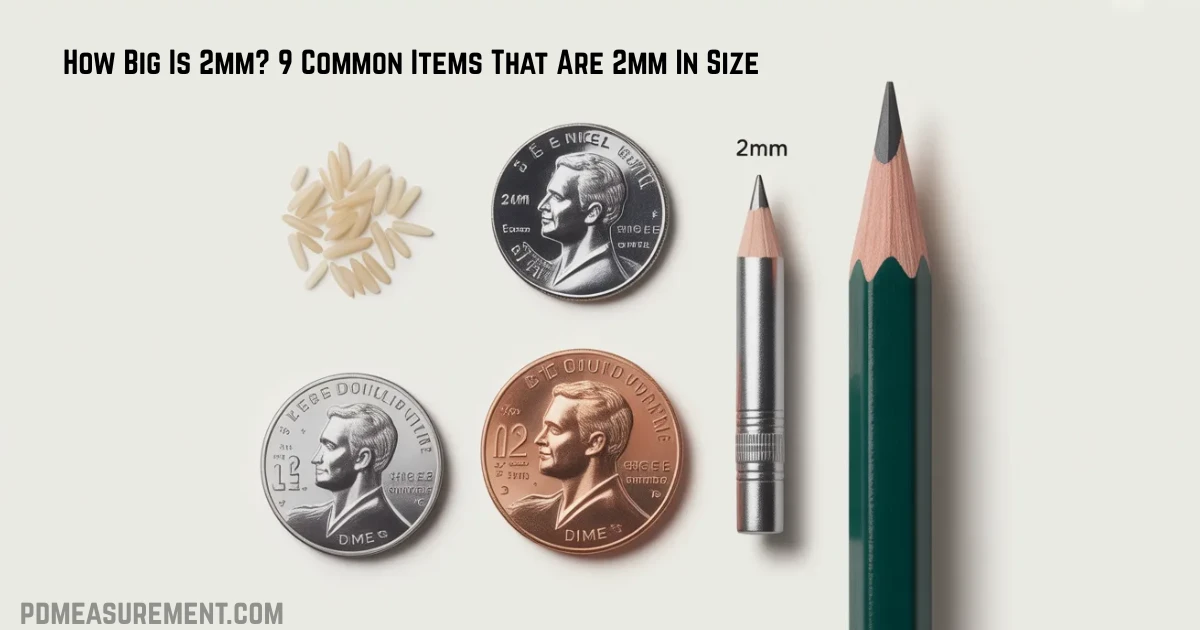
Two millimeters is a tiny yet precise measurement that equals approximately 0.079 inches or just under one-twelfth of an inch. This microscopic dimension appears in pencil leads, jewelry, coins, and everyday objects you encounter daily.
Whether you’re working on detailed projects or just curious about tiny dimensions, recognizing common 2mm items gives you instant reference points. Let’s explore the everyday objects that perfectly demonstrate this minute size.
How Big Is 2mm?
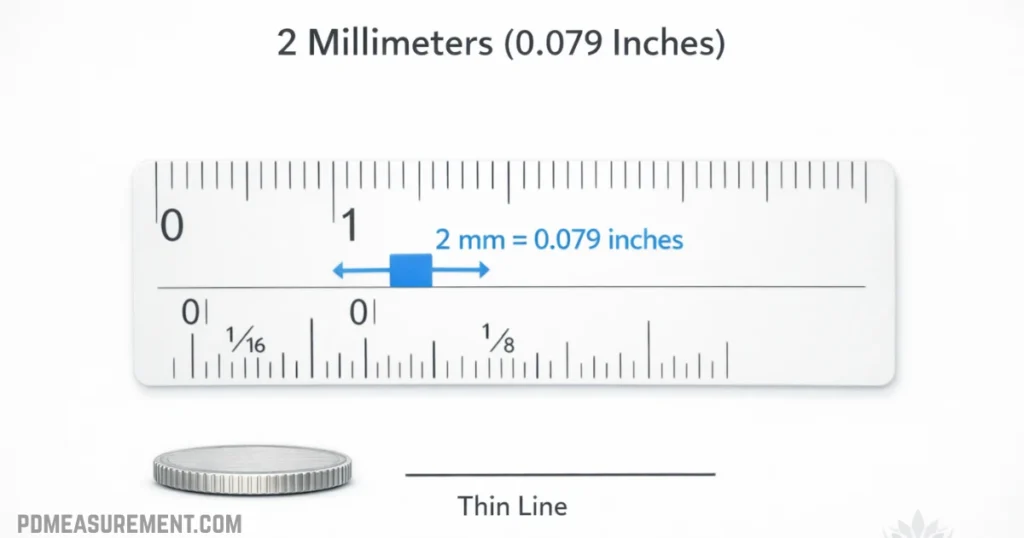
Two millimeters equals 0.079 inches or approximately one-twelfth of an inch. It’s a tiny measurement visible to the naked eye but requiring close inspection to appreciate. This dimension represents precision in small-scale manufacturing.
Your fingernail thickness at the edge measures approximately 0.5 to 1mm, so 2mm equals roughly two to four fingernail thicknesses stacked together. This body reference helps visualize the compact scale.
This measurement appears frequently in pencil leads, jewelry gauges, tile spacers, and coin thicknesses. Manufacturers use 2mm because it represents optimal sizing for precision items requiring durability without bulk.
Common Things That Are 2mm In Size
These everyday items demonstrate exactly how big 2mm is in real life. From your desk drawer to your pocket, this measurement shows up in surprisingly common objects.
Two Stacked Dimes
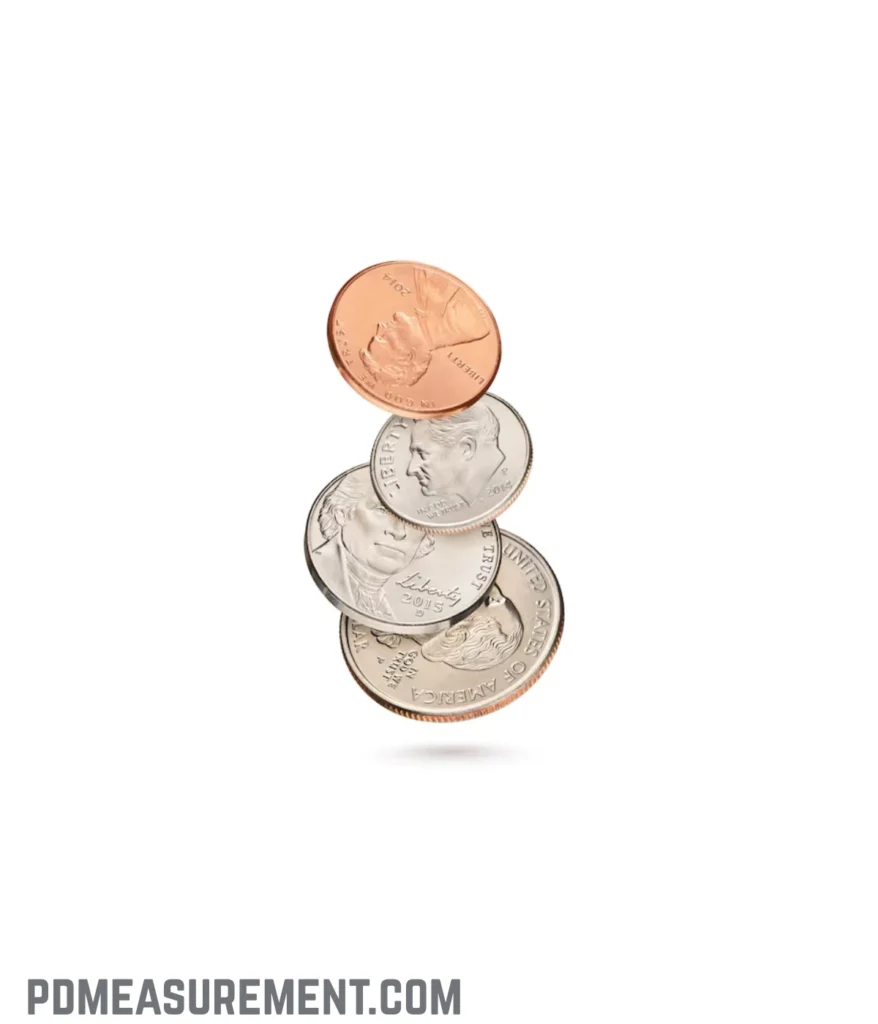
Two US dimes stacked together measure almost exactly 2mm thick. Each dime is approximately 1.35mm thick, so two create a near-perfect 2.7mm reference. This provides the most accessible visualization.
Coin handlers recognize dime thickness from daily transactions. Stacking two together demonstrates 2mm perfectly for anyone with pocket change available.
Mechanical Pencil Lead (2mm)
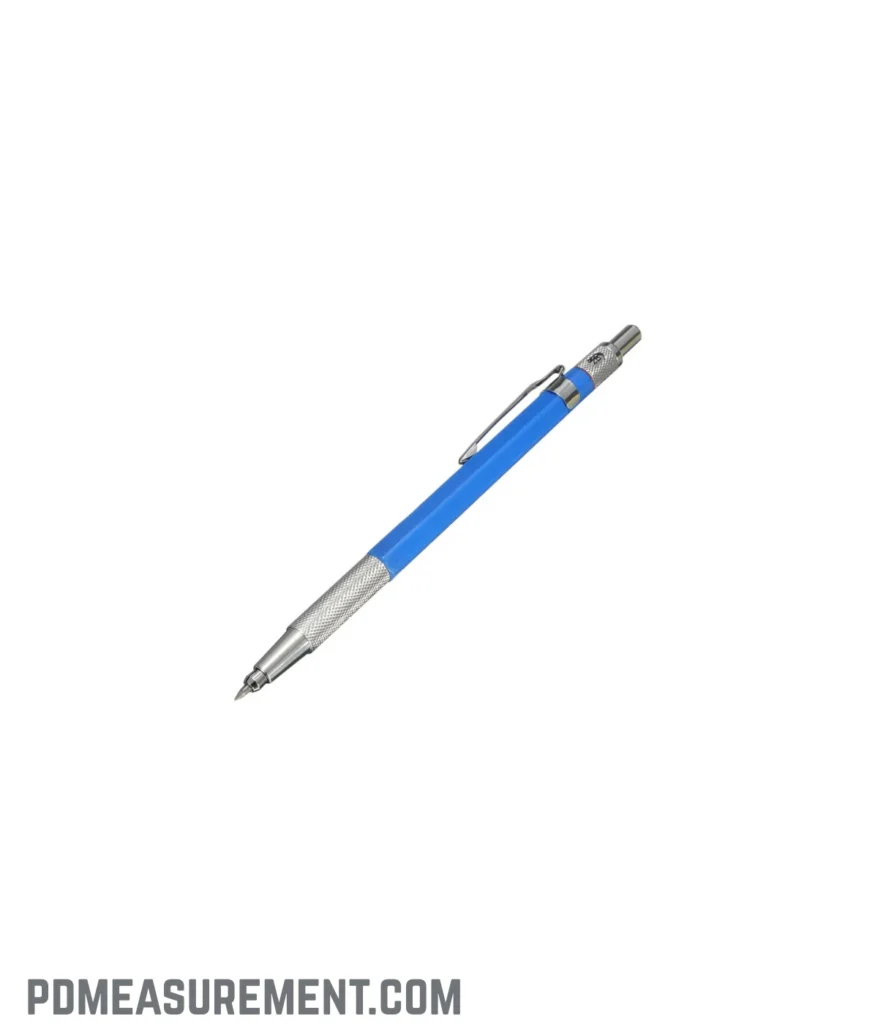
Standard 2mm drafting pencil lead represents this measurement precisely. These thicker leads used by architects and engineers provide durability for technical drawing without breaking.
Drafting professionals rely on 2mm lead for bold, consistent lines. The measurement has been industry standard for decades in technical illustration.
Two Credit Cards Stacked

Standard credit cards measure approximately 0.76mm thick, so stacking two or three together approaches 2mm. This wallet-friendly comparison helps visualize the dimension.
Wallet carriers handle credit cards thousands of times, creating familiarity with thicknesses around 2mm when cards stack naturally.
US Nickel Thickness
A US nickel measures 1.95mm thick, incredibly close to 2mm. This single coin provides an excellent standalone reference without stacking required.
Coin collectors and cashiers recognize nickel thickness instantly. The near-exact 2mm dimension makes nickels perfect measurement tools.
Small Grain of Rice
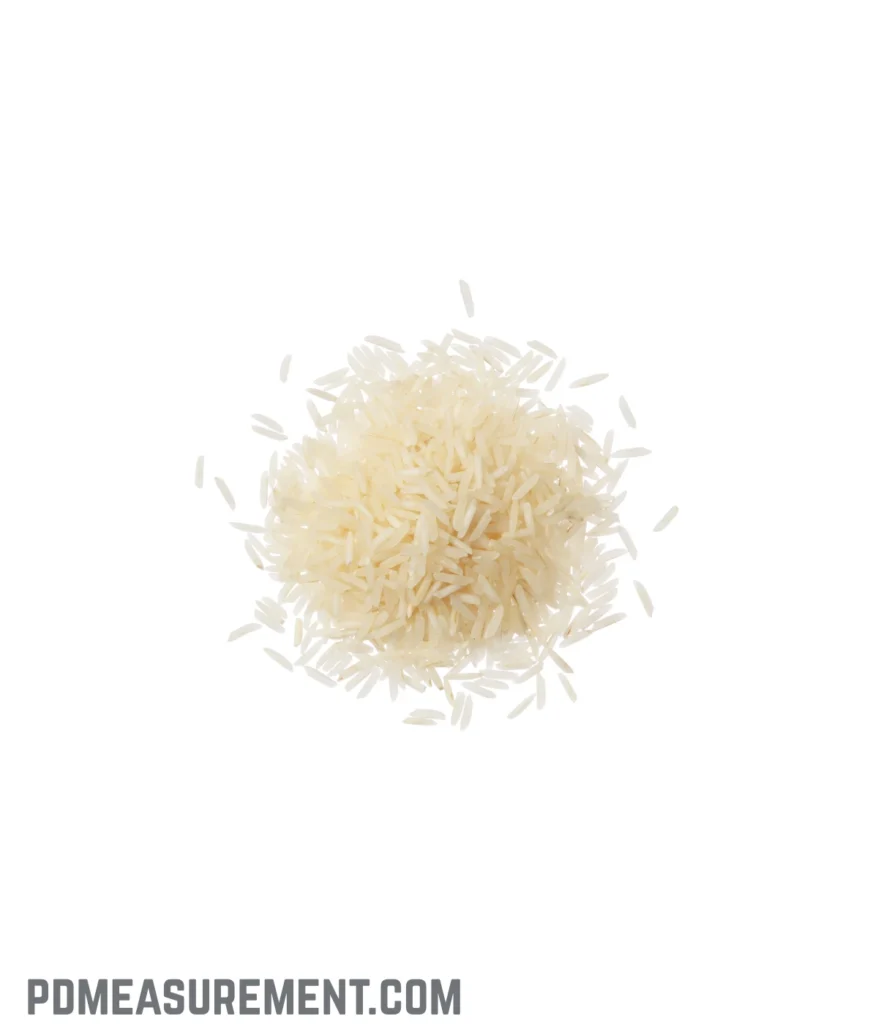
The width of a single grain of long-grain rice measures approximately 1.5 to 2mm. These tiny food items demonstrate biological sizing at the 2mm scale.
Home cooks encounter rice grains constantly during meal preparation. The familiar width provides an edible 2mm reference.
Thin Ring or Earring Post
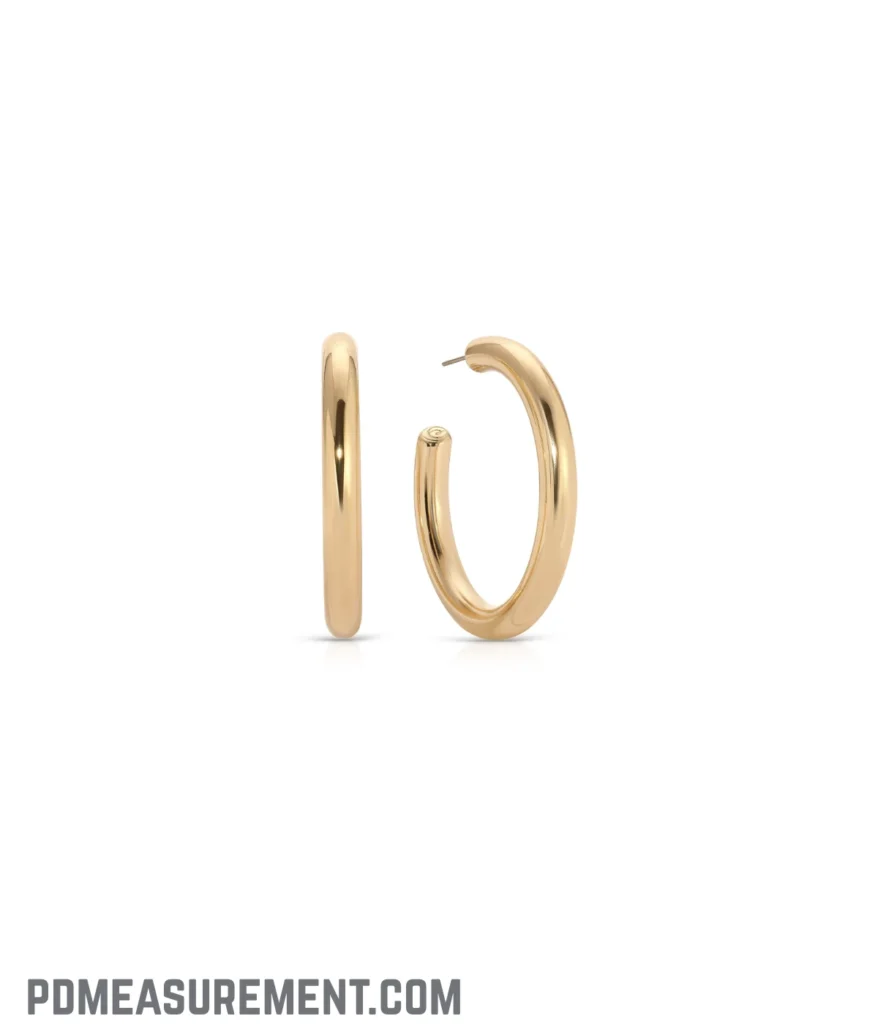
Many thin rings and stud earring posts measure 2mm in diameter or thickness. These delicate jewelry pieces demonstrate precision manufacturing at miniature scales.
Jewelry wearers recognize 2mm posts and bands as standard sizing for minimalist designs. The dimension balances visibility with delicate aesthetics.
Tile Spacer (Small Size)
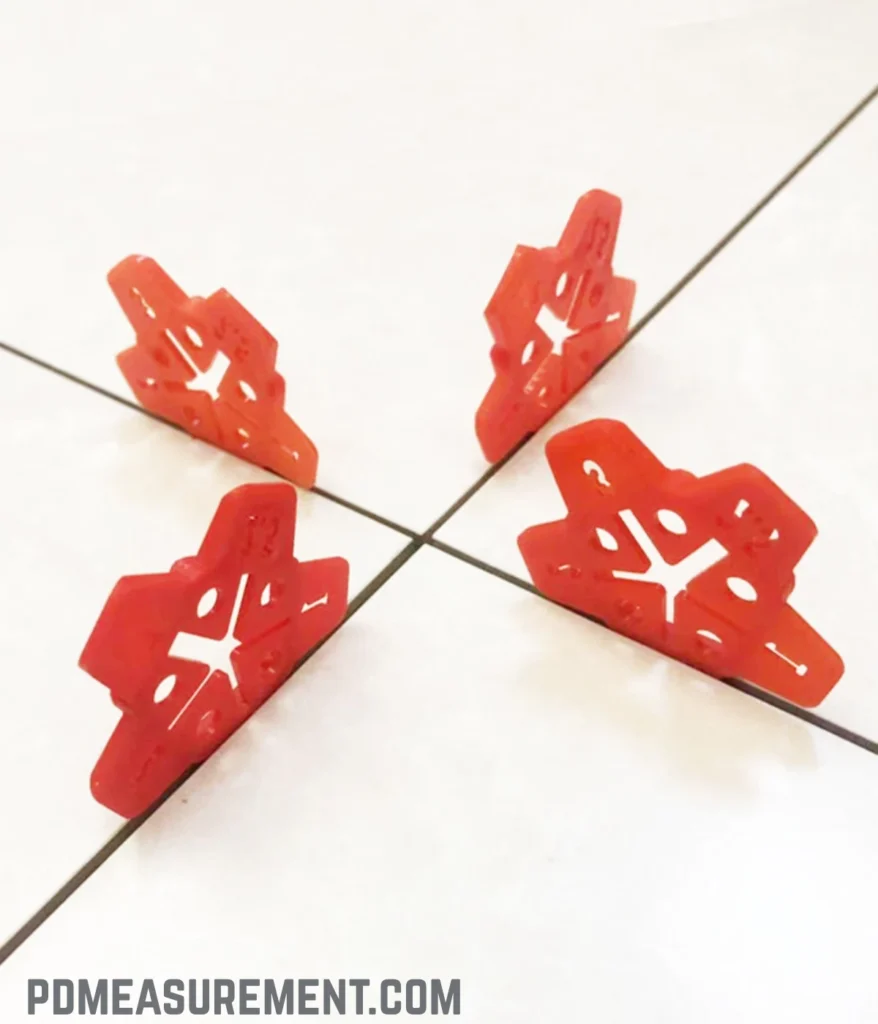
Plastic tile spacers used in bathroom and kitchen installations measure 2mm for tight grout lines. These construction tools create uniform spacing between ceramic and porcelain tiles.
Tile installers stock 2mm spacers for modern, minimal grout appearances. The dimension creates sleek, contemporary tile layouts.
Approximately 20 Sheets of Paper

Standard printer paper measures 0.1mm thick, so stacking about 20 sheets equals approximately 2mm total thickness. This office supply comparison demonstrates accumulated thin layers.
Office workers handle paper stacks constantly. Visualizing 20 sheets together shows how 2mm represents substantial thickness at micro scales.
Smartphone Thickness (Thin Areas)

Modern smartphones measure 7 to 9mm thick overall, but certain edge areas or with thin cases removed approach 2mm in specific locations. Older chunky models had thicker profiles.
Tech users handle phones daily, though overall thickness exceeds 2mm significantly. Component layers within phones utilize 2mm spacing.
2 mm Without Measuring Tools
Tiny, everyday items to instantly feel and visualize 2 millimeters (≈ 0.08 inches — thinner than a pencil lead but thicker than a credit card).
Two Stacked US Dimes
Each US dime is exactly 1.35 mm thick. Stack two together and you get 2.7 mm — very close to 2 mm (slightly thicker but the most accurate portable coin reference). Pull two dimes from your pocket change and press them edge-to-edge — feel the tiny combined height.
Single US Nickel Edge-On
A US nickel is 1.95 mm thick — almost exactly 2 mm. Hold it edge-on between your fingers — the slim, metallic sliver you feel is one of the closest single-coin matches for 2 mm. This is the simplest and most precise reference if you have US coins.
2 mm Mechanical Pencil Lead
Many drafting/mechanical pencils use 2 mm lead refills — the thickest common size. Look at the exposed lead tip or a refill tube — the diameter you see (and can feel) is exactly 2 mm. If you use or have seen drafting supplies, this is one of the most precise visual and tactile references for 2 mm.
Two Stacked Credit Cards
A standard credit card is about 0.76 mm thick. Stack two together and you get ≈ 1.52 mm — a bit thinner than 2 mm, but adding a third card (≈ 2.28 mm) gets you very close. Hold two cards edge-on in your wallet or fingers — the combined slim height gives a practical, wallet-based approximation for 2 mm.
2mm Matters in Everyday Life
Jewelry shopping becomes easier when you understand post and band thicknesses. The 2mm measurement appears constantly in earrings and delicate rings.
Tile installation projects require knowing spacer sizes. The 2mm dimension creates modern, tight grout lines popular in contemporary designs.
Drafting and technical drawing work depends on proper lead sizing. Understanding 2mm lead helps artists and engineers select appropriate tools.
Precision manufacturing awareness improves when you recognize microscopic tolerances. Many components require 2mm specifications for proper fit and function.
Question’s
What is an example of 2mm thickness?
Common 2mm thickness examples include two stacked dimes (2.7mm), a US nickel edge (1.95mm), 2mm mechanical pencil lead, two stacked credit cards, small tile spacers, or thin jewelry posts. These everyday items provide accessible references.
What can I compare 2 mm to?
You can compare 2mm to a US nickel thickness, two dimes stacked together, a grain of rice width, thin jewelry post diameter, mechanical pencil lead, or approximately 20 sheets of paper stacked. It’s just under one-twelfth of an inch.
How to visualize 2 mm?
Visualize 2mm by stacking two US dimes, looking at a nickel edge-on, examining 2mm mechanical pencil lead, checking thin earring posts, or imagining two credit cards together. On a metric ruler, it’s two tiny tick marks from zero.
What is 2 mm big?
2mm is very small but easily visible to the naked eye—it equals 0.079 inches or about one-twelfth of an inch. It’s the thickness of two dimes, a nickel edge, or thin jewelry posts, representing precision manufacturing at miniature scales.
Conclusion
Two millimeters appears constantly in jewelry, coins, pencil leads, tile spacers, and precision manufacturing throughout daily life. This tiny measurement equals approximately 0.079 inches and represents remarkable precision in small-scale objects.
Now that you recognize common items that are 2mm in size, you can quickly estimate microscopic measurements without tools. Use these familiar objects as references when shopping for jewelry, selecting art supplies, planning tile work, or appreciating precision engineering for better understanding and confident decisions.
See More: 10 Common Things and Distances That Are 30 Meters Long

Hi, I’m Burhan Ali, the admin and author of PD Measurement. I write simple and clear blogs about PD measurement, measuring tools, and accurate sizing guides. My goal is to help readers understand measurements easily and make better decisions with confidence.