Ten kilograms equals approximately 22 pounds, making it a moderate weight that appears in household items, gym equipment, groceries, and everyday objects. This measurement represents a manageable load for most adults yet substantial enough to require effort.
Whether you’re grocery shopping or working out, recognizing common 10-kilogram items gives you practical reference points. Let’s explore the daily objects that perfectly demonstrate this useful weight.
How Heavy Is 10 Kilograms?
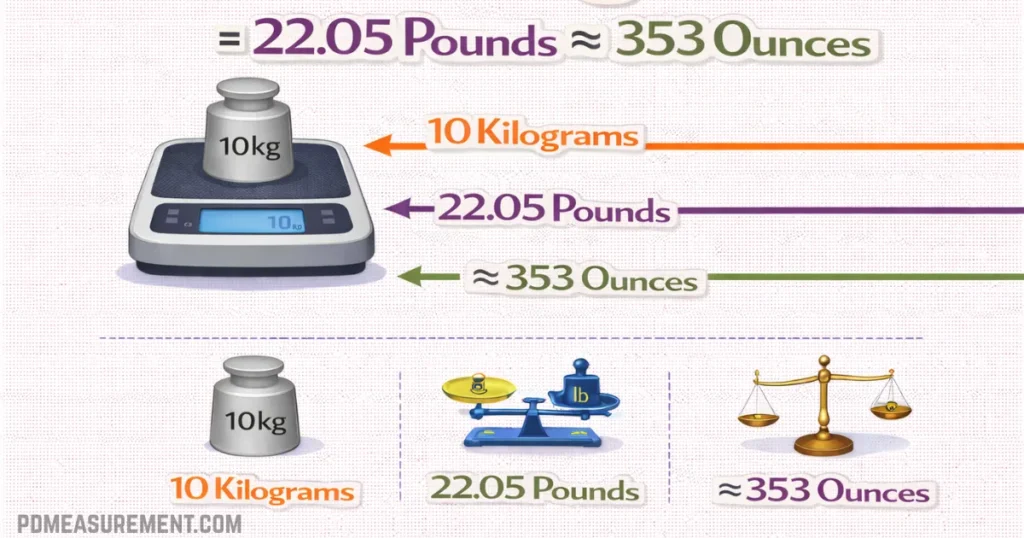
Ten kilograms equals 22.05 pounds or approximately 353 ounces. It’s 10,000 grams or 0.01 metric tons. This weight represents a noticeable load that most adults can carry comfortably for short distances.
Your ability to carry 10 kg depends on fitness level and carrying duration. Most adults can comfortably hold 10 kg for several minutes, though extended carrying becomes tiring.
This measurement appears frequently in groceries, gym weights, household supplies, small appliances, and toddler weights. Manufacturers and fitness professionals use 10 kg as a standard reference for beginner-to-intermediate strength levels.
Things That Weigh 10 Kilograms
These everyday items demonstrate exactly how heavy 10 kilograms feels in real life. From your pantry to your gym, this weight appears constantly once you start noticing.
10kg Bag of Rice or Flour
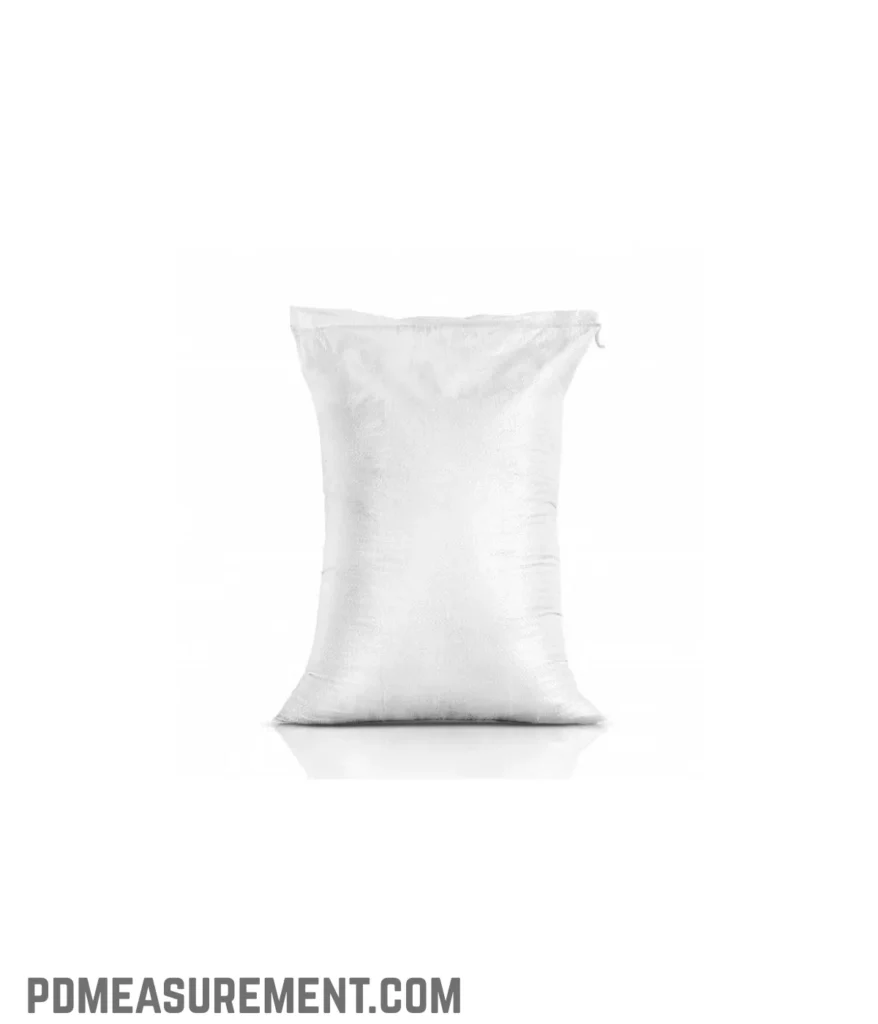
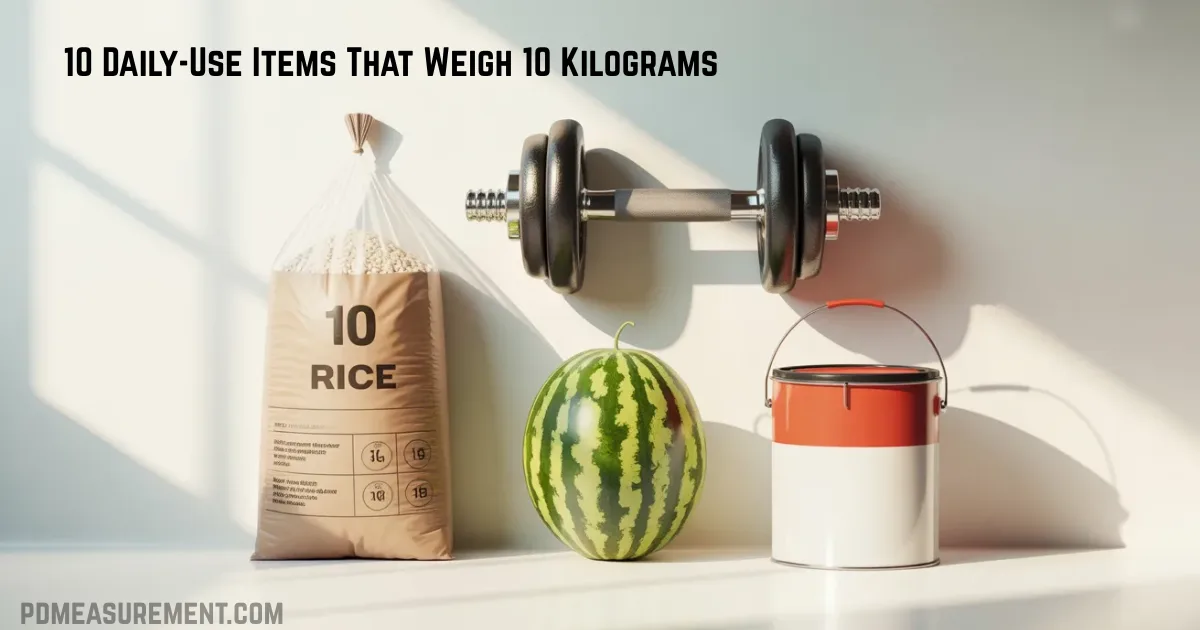
Large bulk bags of rice or flour weigh exactly 10 kilograms in grocery stores and warehouse clubs. This staple food packaging provides substantial supply while remaining manageable for transport.
Home cooks purchase 10-kg bags for cost savings and storage convenience. The weight represents several months’ supply for average household cooking.
10kg Dumbbell or Kettlebell
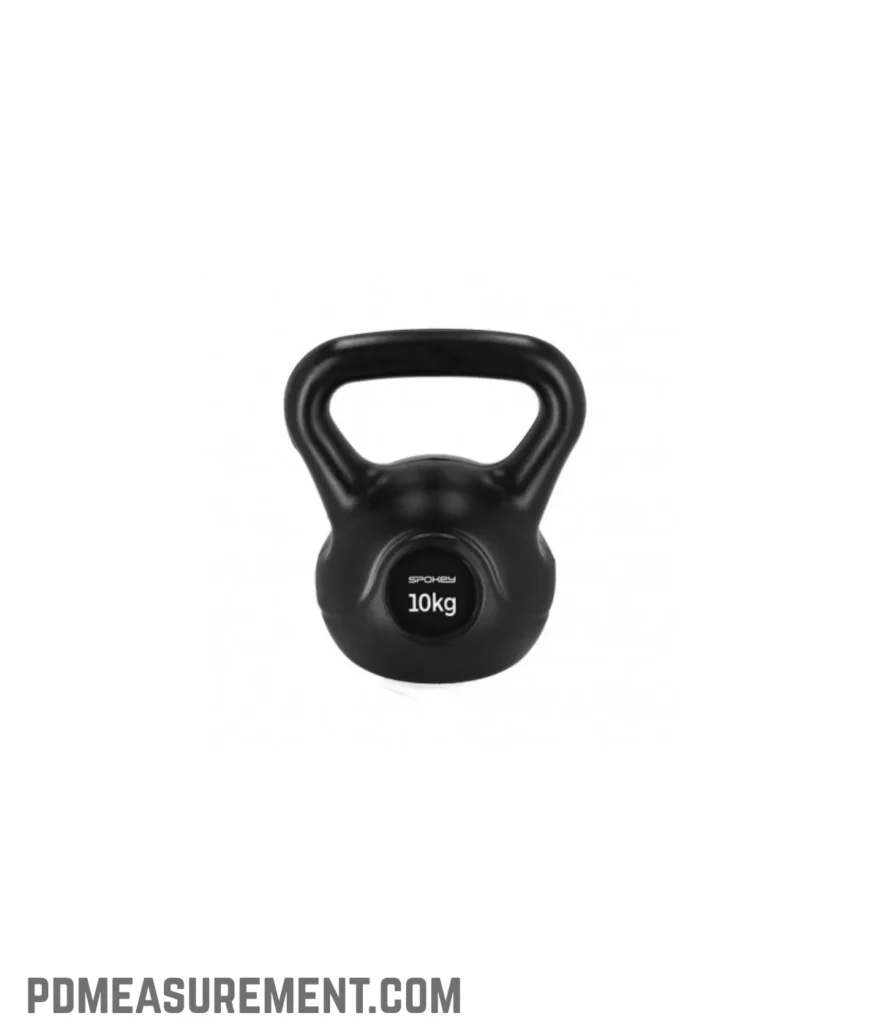
A single 10-kilogram dumbbell or kettlebell is standard gym equipment for beginner to intermediate fitness levels. This weight challenges muscles during exercises like presses, rows, and swings.
Personal trainers program 10-kg weights for building foundational strength. The measurement represents achievable resistance for most fitness enthusiasts starting strength training.
Small Toddler (2-3 Years Old)
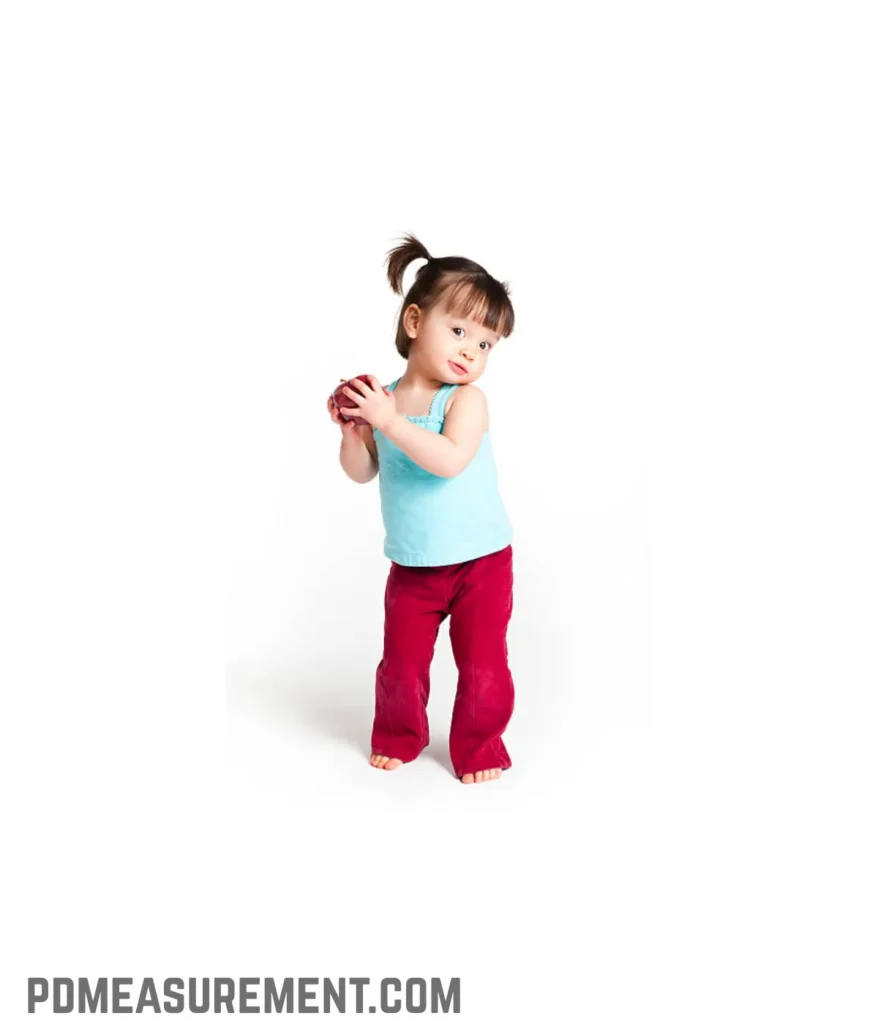
Children aged 2 to 3 years typically weigh between 10 and 14 kilograms, with many healthy toddlers hitting exactly 10 kg. This developmental milestone appears on pediatric growth charts.
Parents intimately understand how heavy carrying a 10-kg toddler feels during extended periods. The weight represents the transition from baby to young child.
Full Laundry Load
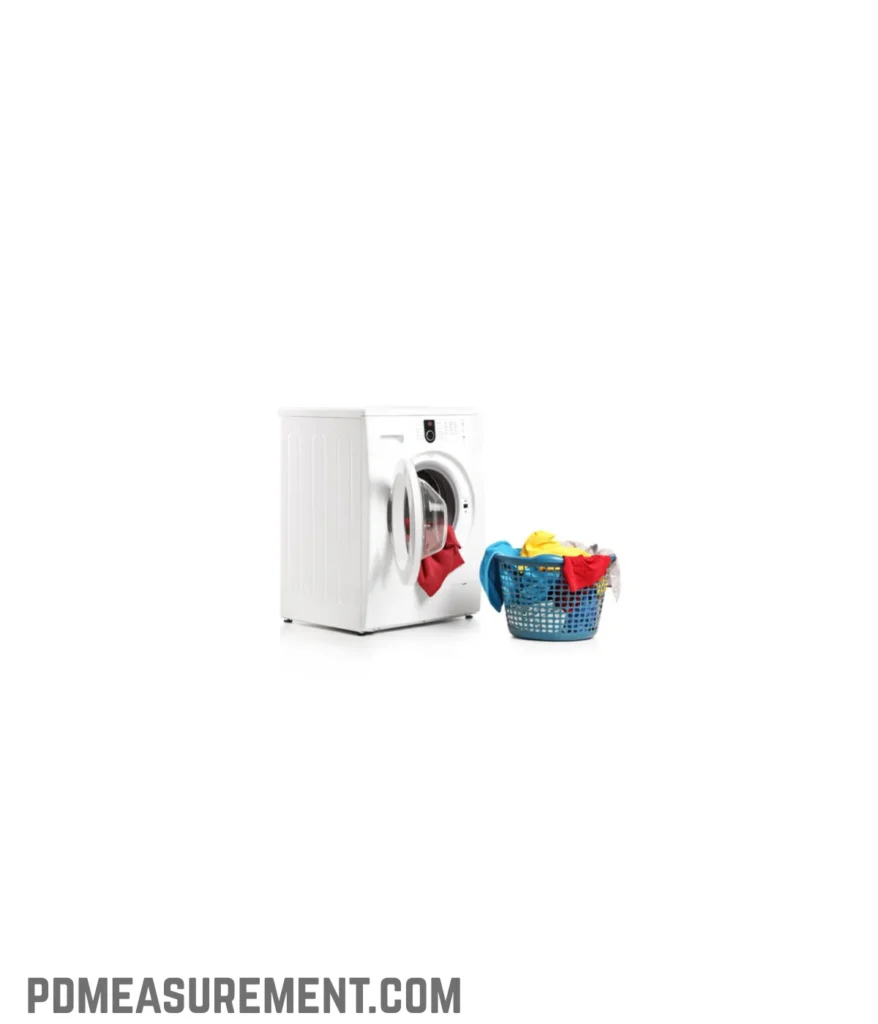
A complete washing machine load weighs approximately 8 to 12 kilograms, with 10 kg being standard capacity. This includes 2-3 bath towels, 4-5 hand towels, and 2 single bed sheets.
Laundry recommendations cite 10 kg as typical full-load capacity for standard washing machines. The weight ensures proper cleaning without overloading.
Large Watermelon
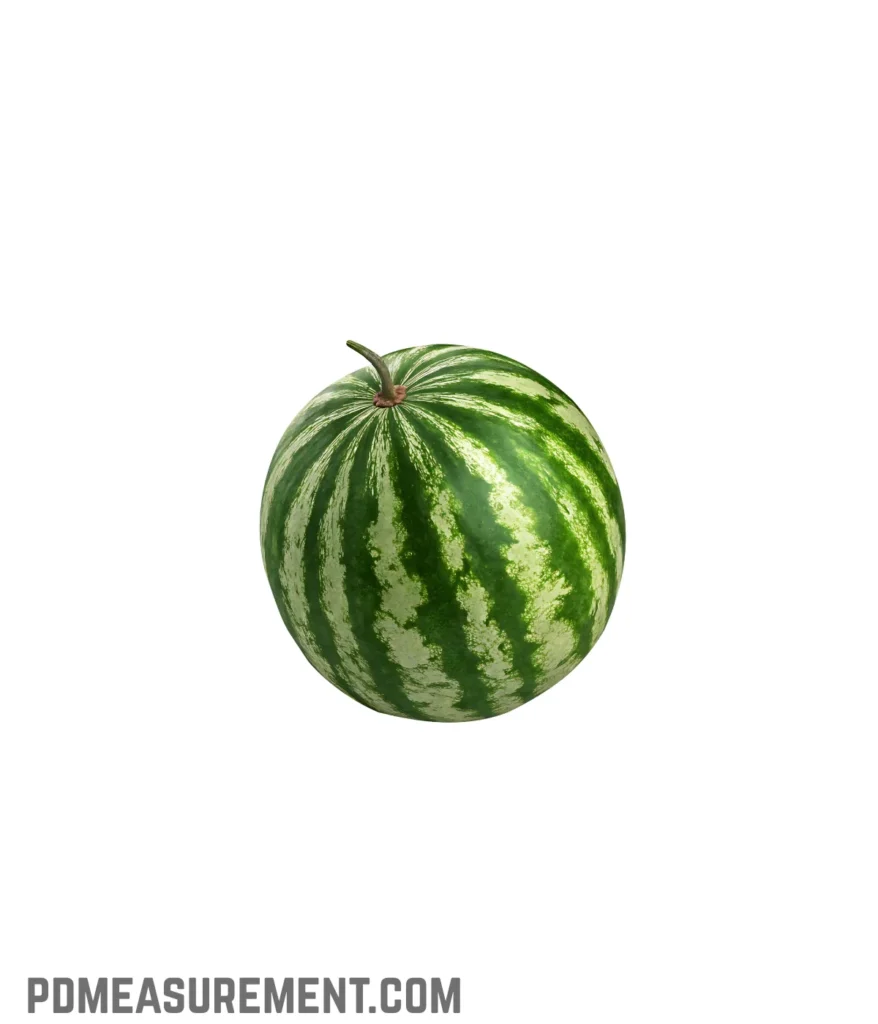
Whole watermelons from grocery stores weigh between 8 and 15 kilograms, with many large specimens hitting exactly 10 kg. This summer fruit provides an edible weight reference.
Produce shoppers struggle carrying 10-kg watermelons from store to car. The awkward shape combined with weight makes handling challenging.
Standard Car Tire
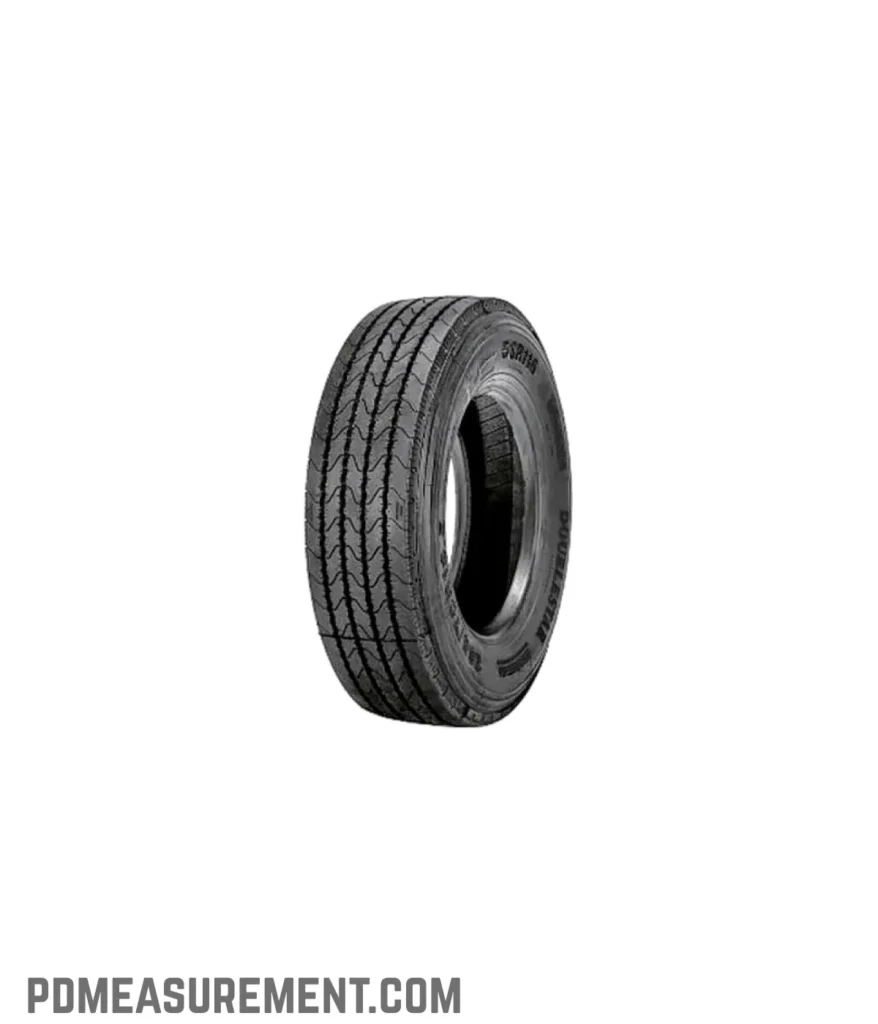
Passenger car tires weigh approximately 8 to 12 kilograms, with many standard tires at exactly 10 kg. This automotive component demonstrates the weight through rubber and steel construction.
Mechanics handle 10-kg tires during rotations and replacements. The weight includes rubber, steel belts, and sidewall reinforcement.
Bag of Potatoes (Large)
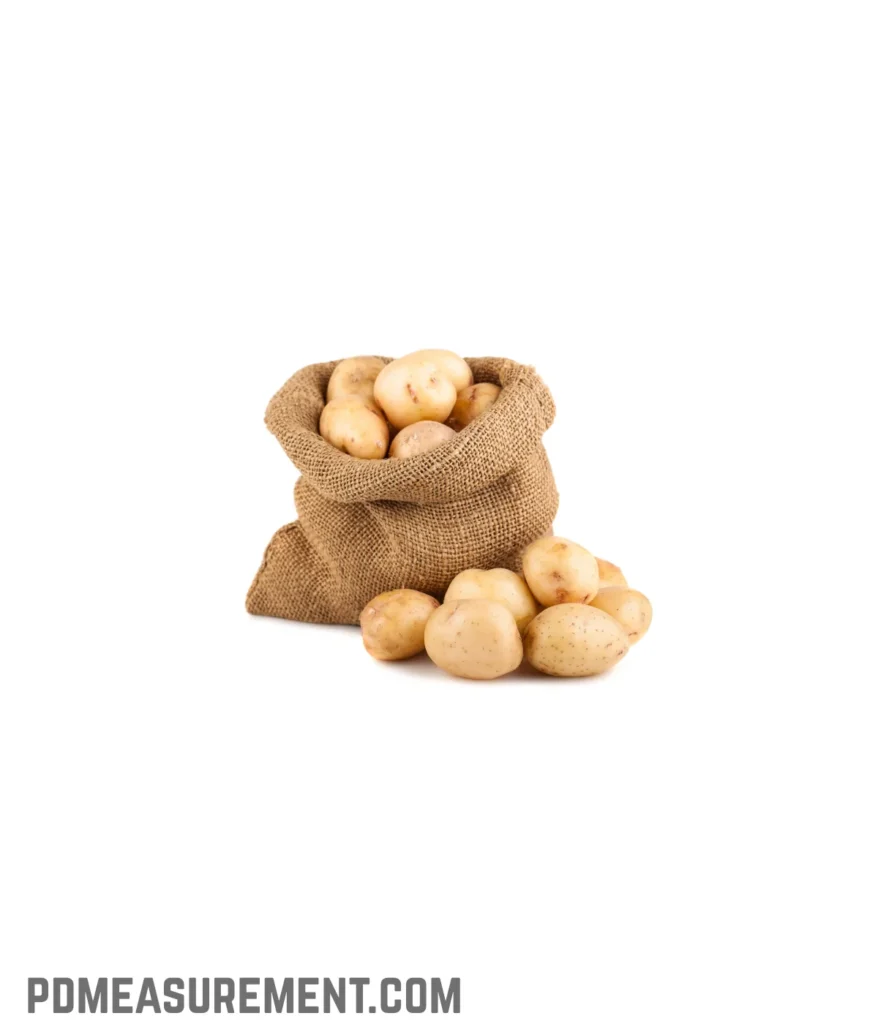
Ten-kilogram bags of potatoes are common grocery store sizes for families and bulk buyers. This vegetable packaging provides versatile meal planning while remaining transportable.
Restaurant kitchens stock 10-kg potato bags for consistent inventory. The weight represents approximately 50 to 70 medium potatoes.
Heavy-Duty Vacuum Cleaner
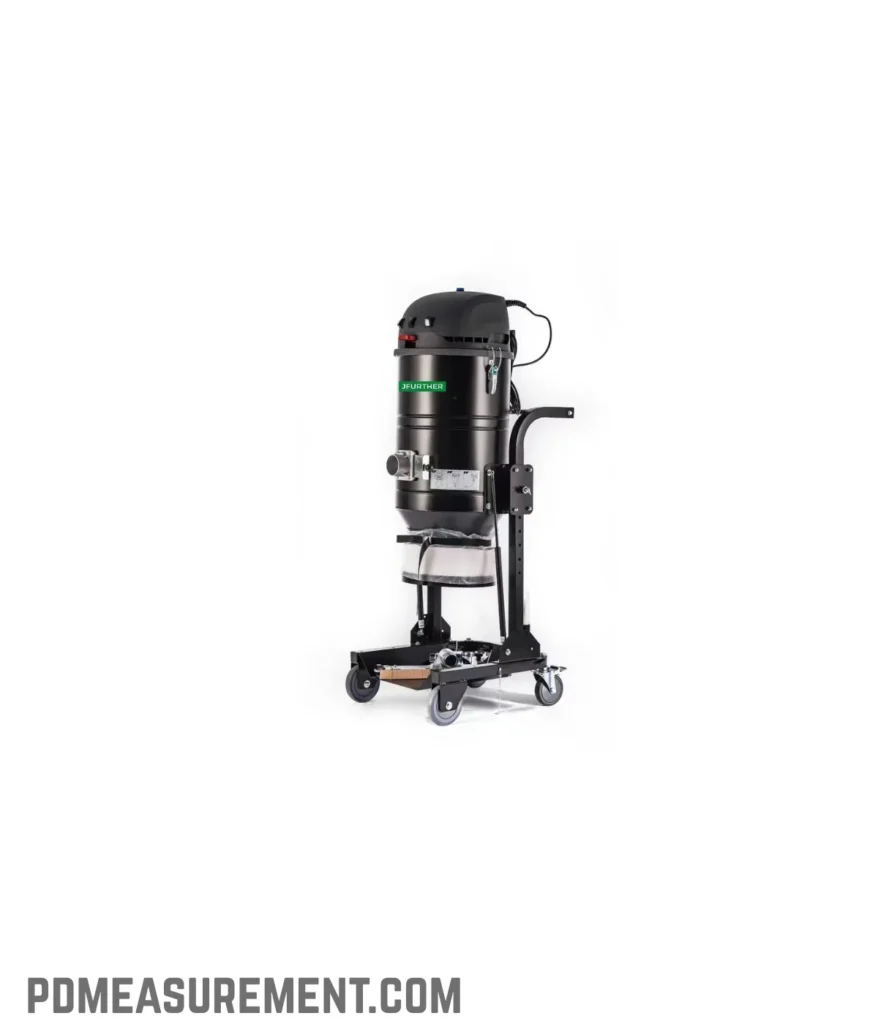
Full-sized vacuum cleaners with motors and attachments weigh 8 to 12 kilograms, with many upright models hitting exactly 10 kg. This household appliance requires carrying up and down stairs.
Homeowners recognize the effort required to maneuver 10-kg vacuums. The substantial weight includes motors, dust containers, and metal frames.
Bucket of Paint (Large)
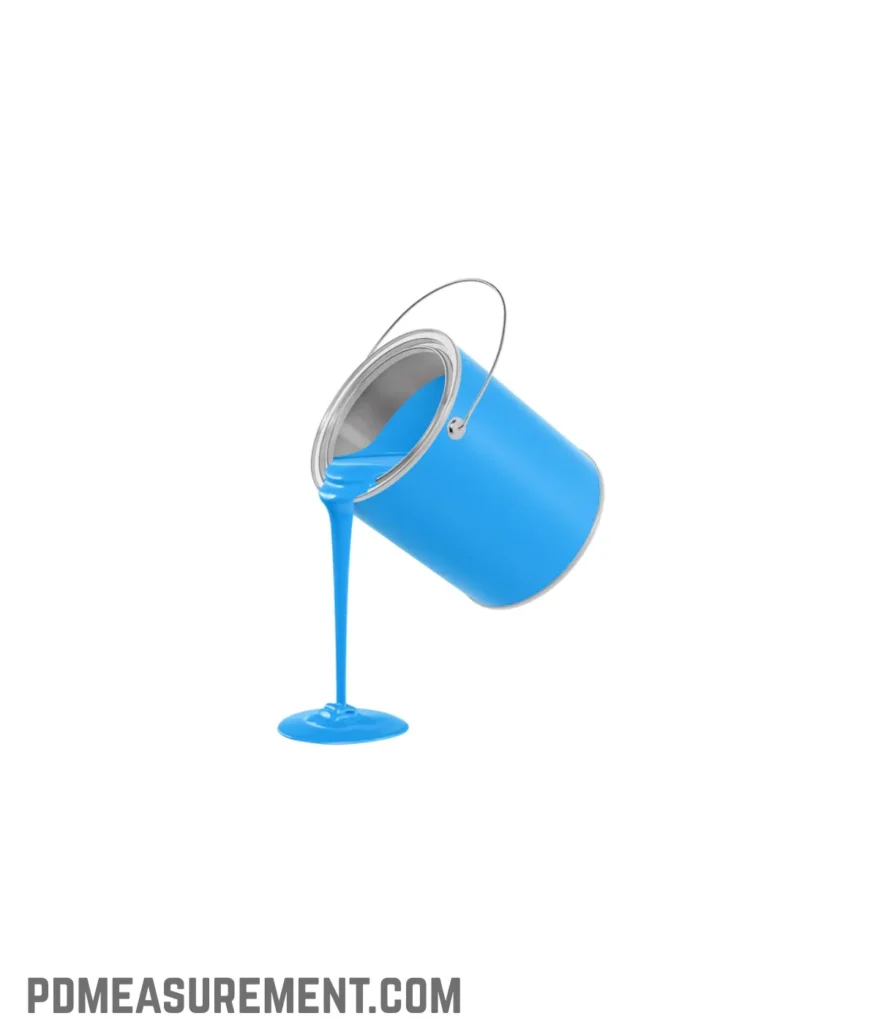
Five-gallon paint buckets filled weigh approximately 9 to 11 kilograms, with most standard paints at exactly 10 kg. This home improvement staple requires careful lifting to avoid spills.
Painters handle 10-kg paint buckets throughout projects. The weight challenges arm strength during extended painting sessions.
Four to Five Standard House Bricks
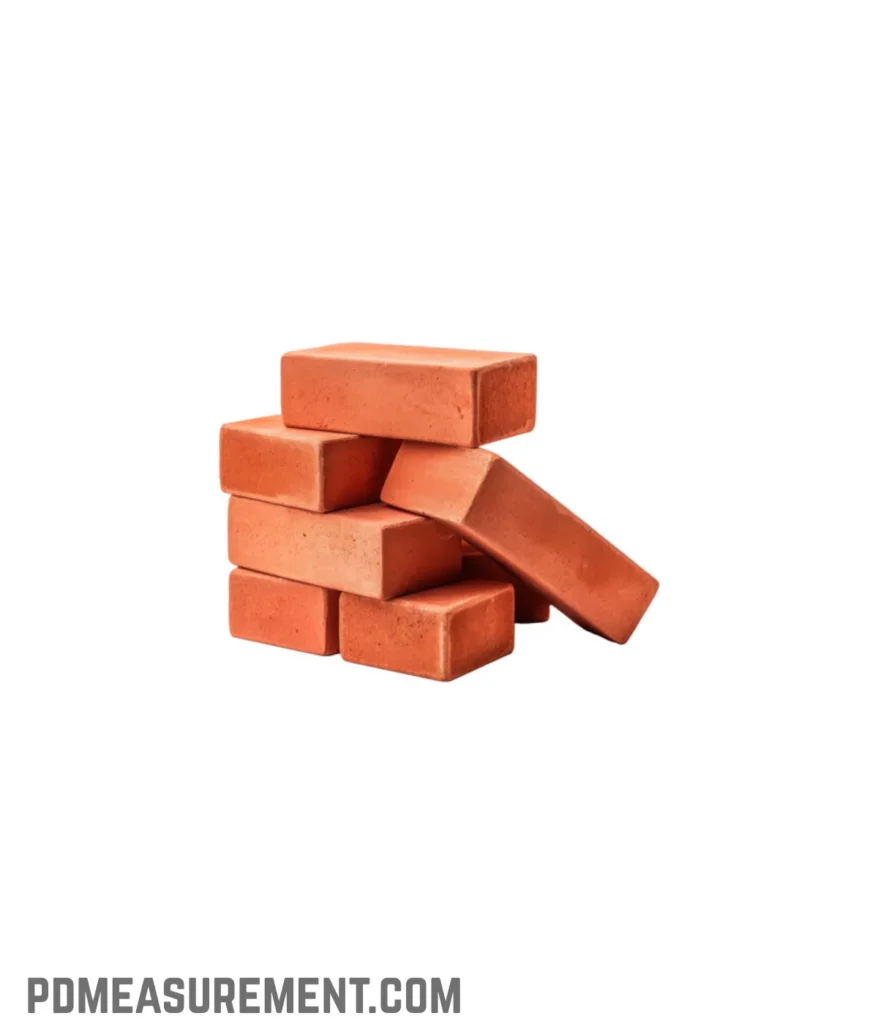
Construction bricks weigh approximately 2 to 2.5 kilograms each, so four to five bricks together equal about 10 kg. This building material demonstrates the weight through dense clay composition.
Masons stack bricks weighing 10 kg collectively during construction. The combined weight represents manageable loads for manual handling.
10 Kilograms Without a Scale
Familiar, everyday references to instantly feel and remember what 10 kg (≈ 22 pounds) actually weighs when you lift it.
Toddler Aged 2–3 Years
Most children aged 2 to 3 years weigh right around 10–14 kg — many are very close to 10 kg. If you have or know a toddler in this age range, carefully lifting or carrying them (with care and permission) provides a warm, squirming, living reference for 10 kg.
Two Large Grocery Bags (Filled)
Two full grocery bags packed with heavy items (cans, milk jugs, produce, rice) often total around 8–12 kg — very frequently close to 10 kg. Lift them from the checkout or kitchen counter — the balanced, bulky shopping weight is a common everyday reference.
10-Liter Water Container (≈ 2.6 Gallons)
Water weighs exactly 1 kg per liter. A 10-liter container (like a large water jug, two 5-liter bottles, or a small office cooler bottle) filled to the top = precisely 10 kg (plus a little for the container itself). The cool, sloshing, liquid-heavy feel is a very accurate household or office reference.
10 kg Dumbbell or Plate
Most gyms have clearly marked 10 kg dumbbells, kettlebells, or weight plates. Picking one up (often comfortable with one or two hands) provides the most precise, concentrated iron weight experience — a reference fitness enthusiasts recognize instantly from workouts.
10 kg feels noticeably heavy but still very liftable — like carrying a toddler, two full grocery bags, a 10-liter water jug, or a 10 kg gym weight. Use these common experiences to train your sense of this weight!
10 Kilograms Matters in Everyday Life
Grocery shopping becomes more efficient when you understand food package weights. Knowing that rice and flour bags weigh 10 kg helps plan shopping trips.
Fitness goal tracking improves when you recognize dumbbell and kettlebell weights. The 10-kg milestone represents foundational strength achievements.
Childcare planning benefits from understanding toddler weights. Knowing your child weighs 10 kg affects car seat selection and carrying strategies.
Moving and lifting requires awareness of household item weights. Understanding that vacuum cleaners and paint buckets weigh 10 kg promotes safe handling practices.
Question’s
What is an example of 10 kilograms?
Common 10-kg examples include large bags of rice or flour, a single 10-kg dumbbell, a 2-3 year old toddler, a full laundry load, a large watermelon, a car tire, a bag of potatoes, a vacuum cleaner, a bucket of paint, or 4-5 house bricks. These items appear frequently in daily life.
How much does 10 kg weigh?
10 kg weighs exactly 22.05 pounds or 353 ounces. It equals 10,000 grams or 0.01 metric tons, representing a moderate weight that most adults can carry comfortably for short distances without assistance.
Is 10 kg heavy to carry?
10 kg is moderately heavy—most adults can carry it comfortably for short distances but find extended carrying tiring. It’s manageable for brief periods like carrying groceries from car to house, but prolonged carrying requires breaks or assistance.
What weight is a size 10 in kg?
Clothing size 10 doesn’t directly correlate to a specific weight in kilograms, as it depends on height and body composition. However, women wearing size 10 clothing typically weigh between 55 and 70 kg, while the number 10 itself as a measurement equals 10 kilograms or 22 pounds.
Conclusion
Ten kilograms appears constantly in daily life through groceries, gym equipment, toddler weights, laundry loads, and household items. This moderate weight equals 22 pounds and represents a manageable yet noticeable load for most adults.
Now that you recognize common items that weigh 10 kilograms, you can better estimate loads and practice proper carrying techniques. Use these familiar references when shopping, working out, caring for children, or moving household items for better awareness and confident handling decisions.
See More: 10 Daily-Use Items That Weigh 50 Kilograms

Hi, I’m Burhan Ali, the admin and author of PD Measurement. I write simple and clear blogs about PD measurement, measuring tools, and accurate sizing guides. My goal is to help readers understand measurements easily and make better decisions with confidence.