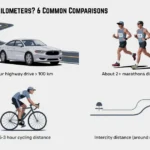
One hundred kilometers equals approximately 62.14 miles or 100,000 meters, making it a significant distance that represents substantial travel. This length appears in ultramarathons, long-distance cycling events, road trips, and geographic measurements between cities.
Whether you’re driving, cycling, or planning travel, recognizing common 100km comparisons gives you instant perspective on this considerable distance. Let’s explore the everyday scenarios that perfectly demonstrate this measurement.
How Long Is 100 Kilometers?
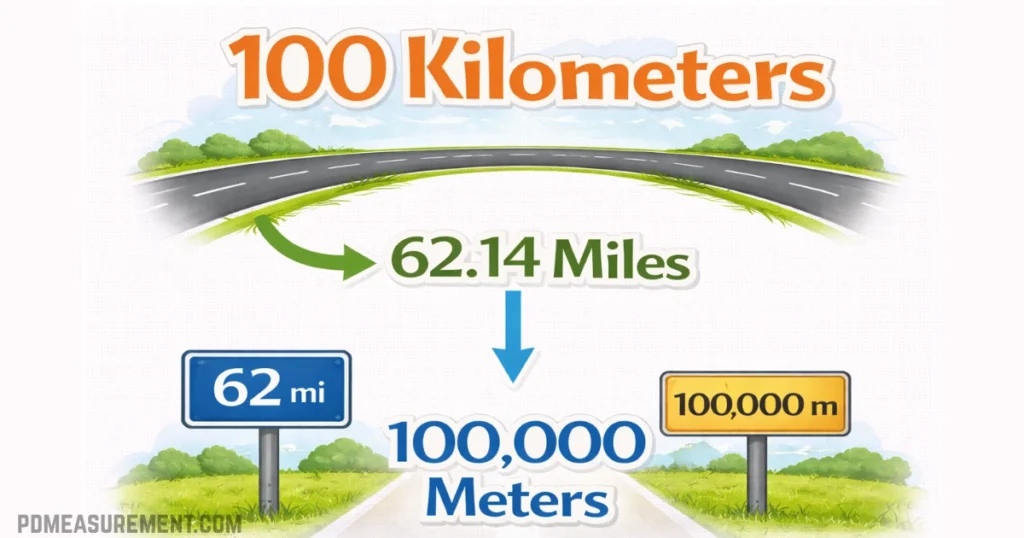
One hundred kilometers equals 62.14 miles or 100,000 meters. It’s approximately one-sixteenth of the distance across Texas or two-and-a-half times the width of Rhode Island. This substantial distance requires dedicated time and effort to traverse.
Your average walking speed of 5 km/h means 100 kilometers requires approximately 20 hours of continuous walking without breaks. This physical comparison helps appreciate the genuine magnitude of this distance.
This measurement appears frequently in ultramarathon races, cycling centuries, intercity distances, and road trip planning. Transportation planners use 100km as a benchmark for regional connectivity and commute feasibility.
Common Comparisons for 100 Kilometers
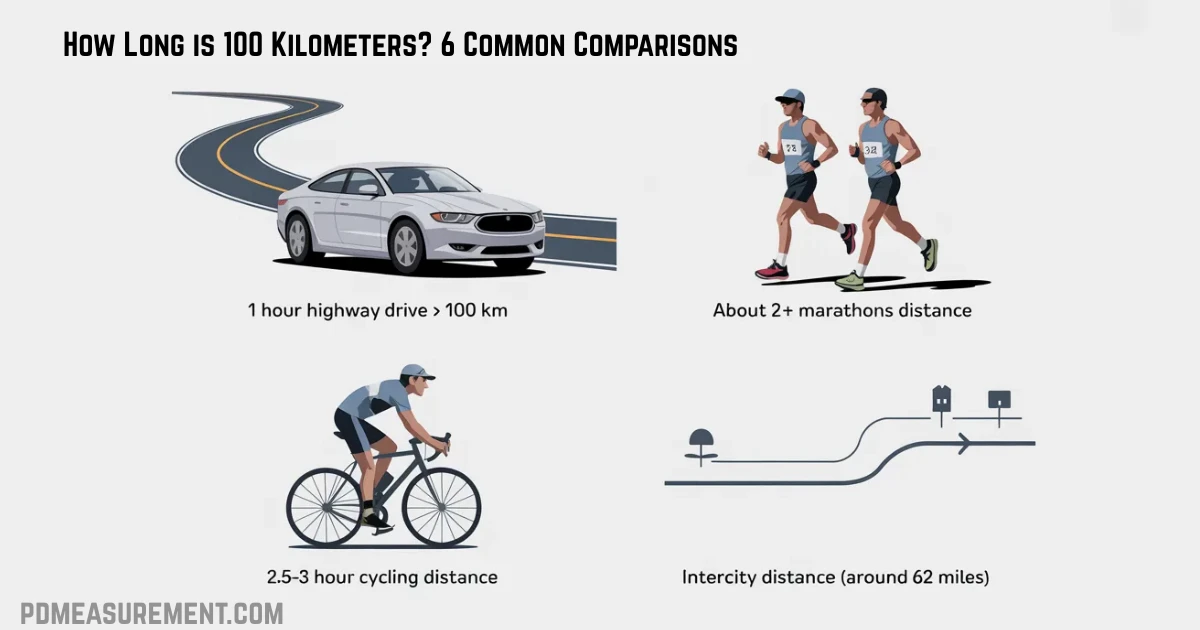
These real-world scenarios demonstrate exactly how long 100 kilometers is in practical contexts. From athletic events to geographic distances, this measurement appears in meaningful ways.
Highway Driving Time (Approximately 1 Hour)
Driving 100 kilometers on an open highway at 100 km/h (62 mph) takes approximately 1 hour. This represents a comfortable highway commute without traffic delays. Many commuters travel this distance daily between suburban homes and city jobs.
Transportation planners define 100km as the outer limit of reasonable daily commuting. The one-hour drive time makes this distance feasible for regular travel while remaining substantial.
Philadelphia to New York City

The distance from Philadelphia, Pennsylvania to New York City measures approximately 95 to 100 kilometers (60-62 miles) depending on the route. This iconic Northeast Corridor journey represents one of America’s most traveled intercity routes.
Business travelers make this 100km trip thousands of times daily via train, car, and bus. The distance demonstrates metropolitan connectivity in densely populated regions.
Two Full Marathons Back-to-Back
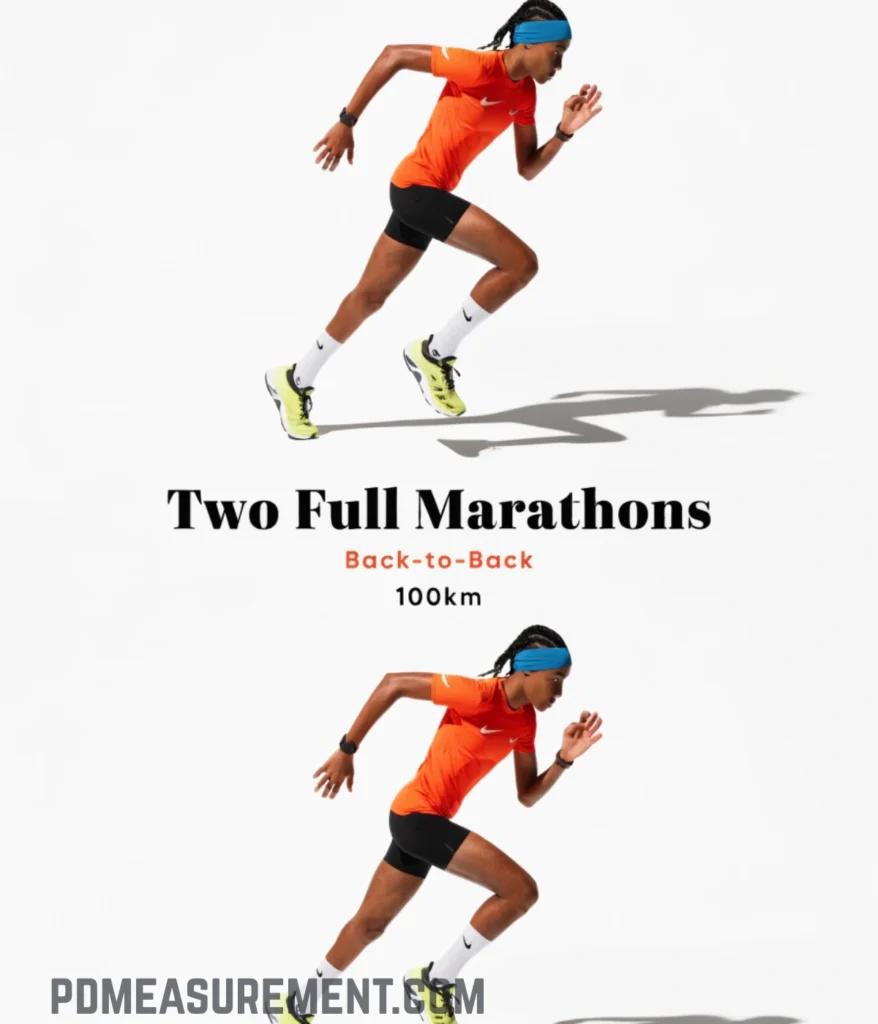
A standard marathon measures 42.195 kilometers, so 100km equals approximately 2.37 marathons run consecutively. This comparison helps athletes appreciate the ultramarathon challenge.
Endurance runners training for 100km races understand this equals running two marathons plus an additional 15.6 kilometers. The mental and physical demands exceed typical marathon preparation significantly.
Fast Cycling Time (2.5 to 3 Hours)

Experienced cyclists riding at 30-40 km/h cover 100 kilometers in approximately 2.5 to 3 hours. This represents a challenging but achievable distance for recreational cyclists. Many cycling clubs organize “century rides” around this metric distance.
Cycling enthusiasts recognize 100km as a standard long-distance achievement. The ride tests endurance while remaining accessible to dedicated amateurs with proper training.
Full Day Hiking Distance
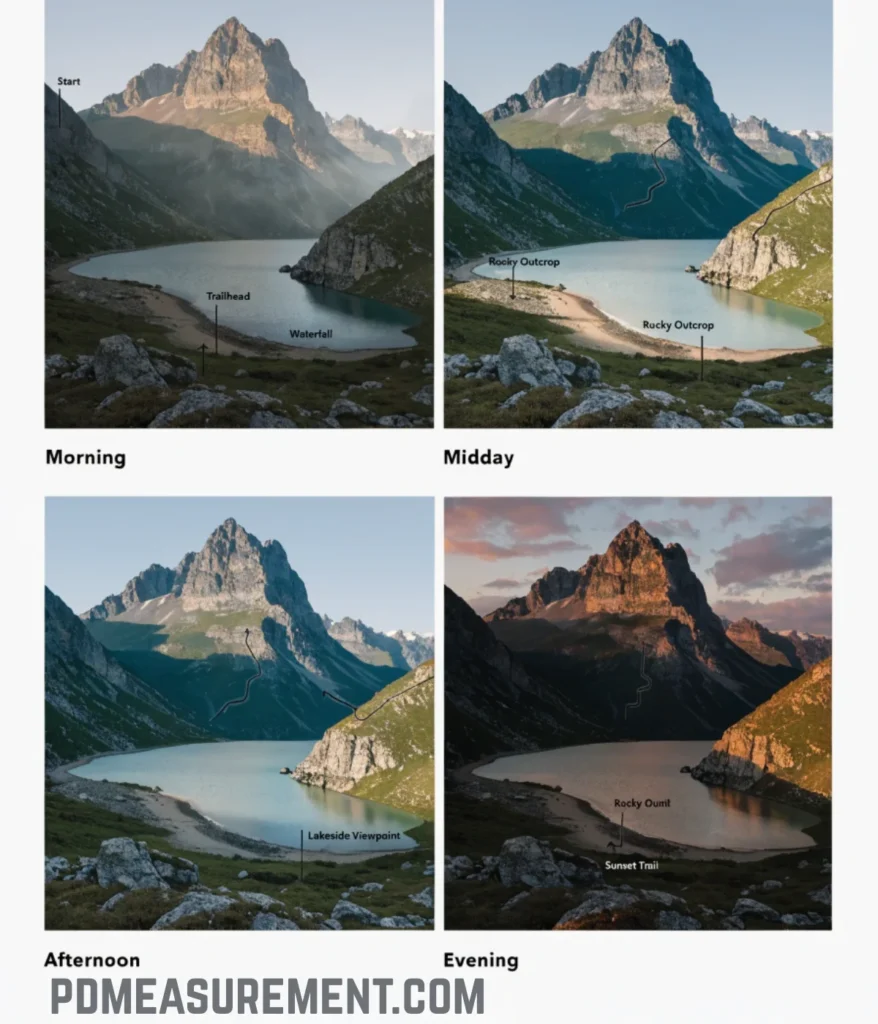
Hiking 100 kilometers on moderate terrain requires approximately 15 to 20+ hours depending on elevation gain, trail conditions, and fitness levels. This represents an extreme endurance hiking challenge.
Ultralight backpackers attempting 100km in a single day push human limits. Most hikers split this distance across 3 to 5 days for comfortable multi-day treks.
Four Half-Marathons Consecutively
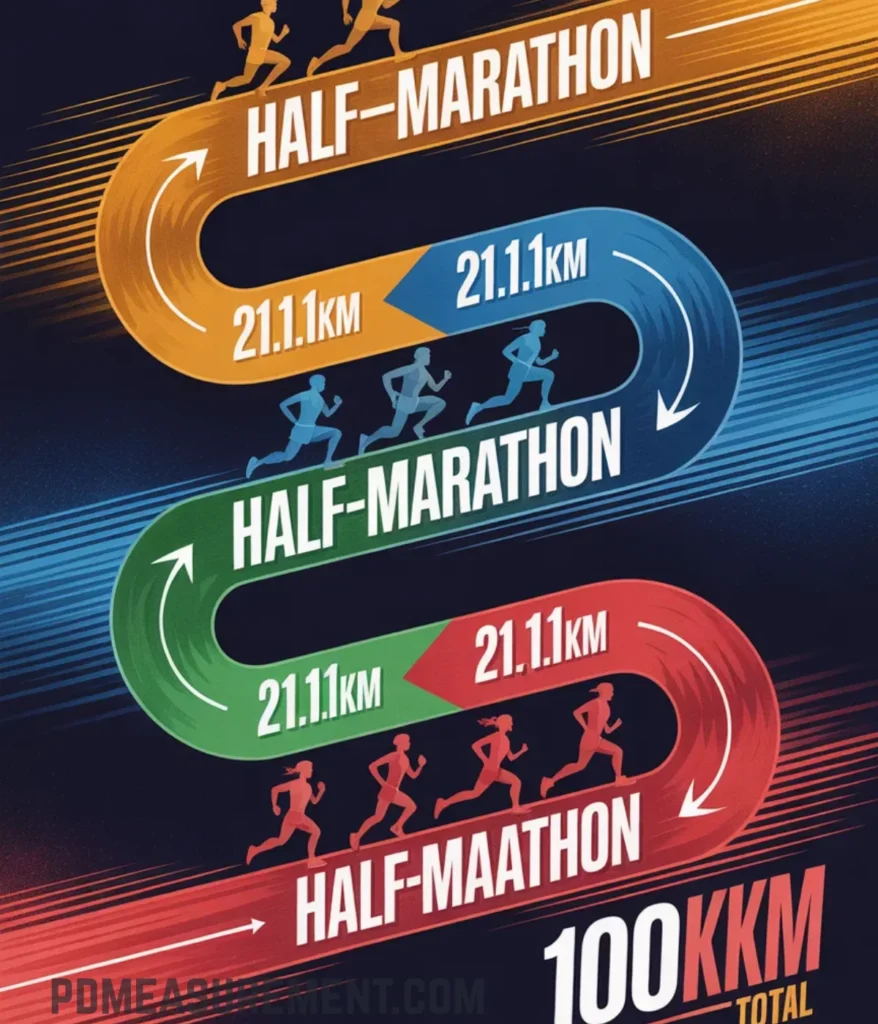
A half-marathon measures 21.1 kilometers, so 100km equals approximately 4.74 half-marathons run back-to-back. This visualization helps recreational runners grasp the ultramarathon scale.
Running coaches use this comparison when training athletes for ultra-distance events. The cumulative fatigue of multiple half-marathons demonstrates why 100km races require specialized preparation.
100 Kilometers Really Looks Like
100 km (≈ 62 miles) is a substantial but very relatable distance. Here are real-world contexts to make it feel tangible — from races and rides to day trips and regional ties.
100 km Ultramarathon
The classic 100 km ultramarathon is one of the most respected distances in endurance running. Elite athletes finish in under 7 hours, while recreational runners often take 10–15 hours (or more on tough terrain). Hundreds of organized 100 km ultras happen worldwide each year — it’s the distance that separates serious endurance athletes from casual marathoners.
100 km Cycling “Century” Ride
The 100 km ride (often called a “metric century”) is a major milestone for amateur cyclists — longer than a half-century (50 miles) but shorter than a full century (100 miles / 160 km). At moderate speeds (20–25 km/h), it takes 4–6 hours. Charity rides, gran fondos, and group events frequently choose 100 km as the main challenge — achievable yet rewarding.
Regional & Commuter Distance
100 km often defines the practical boundary of a metropolitan region. Cities and towns within 100 km share economic ties, commuter flows, and cultural connections. Many people commute 50–100 km daily (or weekly), and regional transit systems or day-trip destinations rarely exceed this range. In many countries, 100 km marks the outer limit of “local” travel.
Real-World Travel Times for 100 km
• Highway driving (100 km/h): ~1 hour
• City/traffic driving (60 km/h average): ~1 hour 40 minutes
• Cycling (20 km/h): ~5 hours
• Jogging/running (10 km/h): ~10 hours
• Walking (5 km/h): ~20 hours
100 km can be a quick morning drive, a full-day bike adventure, or an epic endurance challenge depending on how you cover it!
100 Kilometers Matters in Real Life
Travel planning improves when you understand hourly driving distances. The 100km measurement helps estimate realistic road trip schedules and fuel consumption.
Athletic goal setting becomes more meaningful when you grasp ultra-distance comparisons. Training for 100km events requires understanding the magnitude versus standard marathons.
Geographic awareness expands when you recognize intercity distances. Knowing Philadelphia to New York equals 100km provides context for other regional measurements.
Transportation decisions benefit from distance comprehension. Choosing between driving, trains, or flights often depends on whether destinations fall within 100km ranges.
Question’s
How far away is 100 km?
100 kilometers equals 62.14 miles or approximately a 1-hour highway drive at 100 km/h (62 mph). It’s the distance from Philadelphia to New York City, two full marathons back-to-back, or a challenging 2.5 to 3-hour bicycle ride for experienced cyclists.
Can you walk 100 km in a day?
Walking 100km in a single day is extremely difficult but possible for elite ultralight hikers, requiring 15 to 20+ continuous hours at 5-6 km/h pace. Most recreational hikers find this distance unrealistic without extensive endurance training and ideal trail conditions.
How many kilometers is a 1 hour drive?
A 1-hour drive covers approximately 80 to 120 kilometers depending on speed limits and road conditions. On highways at 100 km/h (62 mph), you travel exactly 100 kilometers in one hour, while city driving averages only 30 to 50 kilometers.
How far is 100 km to walk in miles?
100 kilometers equals 62.14 miles to walk, requiring approximately 12 to 20 hours depending on pace, terrain, and fitness level. At an average walking speed of 5 km/h (3.1 mph), covering this distance takes about 20 hours of continuous movement.
Conclusion
One hundred kilometers represents a substantial distance equivalent to 62.14 miles, one hour of highway driving, two marathons, or the journey from Philadelphia to New York City. This measurement appears constantly in athletic events, road trips, and geographic planning.
Now that you understand common comparisons for 100 kilometers, you can better appreciate ultra-distance achievements, plan realistic travel times, and grasp regional geography. Use these familiar references when training for endurance events, planning road trips, or understanding intercity distances for better perspective and confident decision-making.
See More: How Long Is 3 Meters? Things That Are 3 Meters Long

Hi, I’m Burhan Ali, the admin and author of PD Measurement. I write simple and clear blogs about PD measurement, measuring tools, and accurate sizing guides. My goal is to help readers understand measurements easily and make better decisions with confidence.