Ten tons equals exactly 20,000 pounds or approximately 9,072 kilograms, making it an immense weight that represents massive industrial machinery, large vehicles, and substantial building materials. This weight appears in construction equipment, marine vessels, elephants, and heavy transport vehicles.
Whether you’re in construction, transportation, or just curious about massive weights, recognizing common 10-ton objects gives you instant perspective on this extraordinary mass. Let’s explore the real-world things that perfectly demonstrate this heavy measurement.
How Heavy Is 10 Tons?
Ten tons equals 20,000 pounds or 9,071.85 kilograms. It’s five times the weight of an average automobile or approximately the mass of 133 adult humans combined. This extraordinary weight represents serious heavy-lifting territory requiring specialized equipment.
Your average passenger car weighs approximately 3,000 to 4,000 pounds, meaning 10 tons equals roughly five to seven cars stacked together. This automotive comparison helps visualize the massive scale.
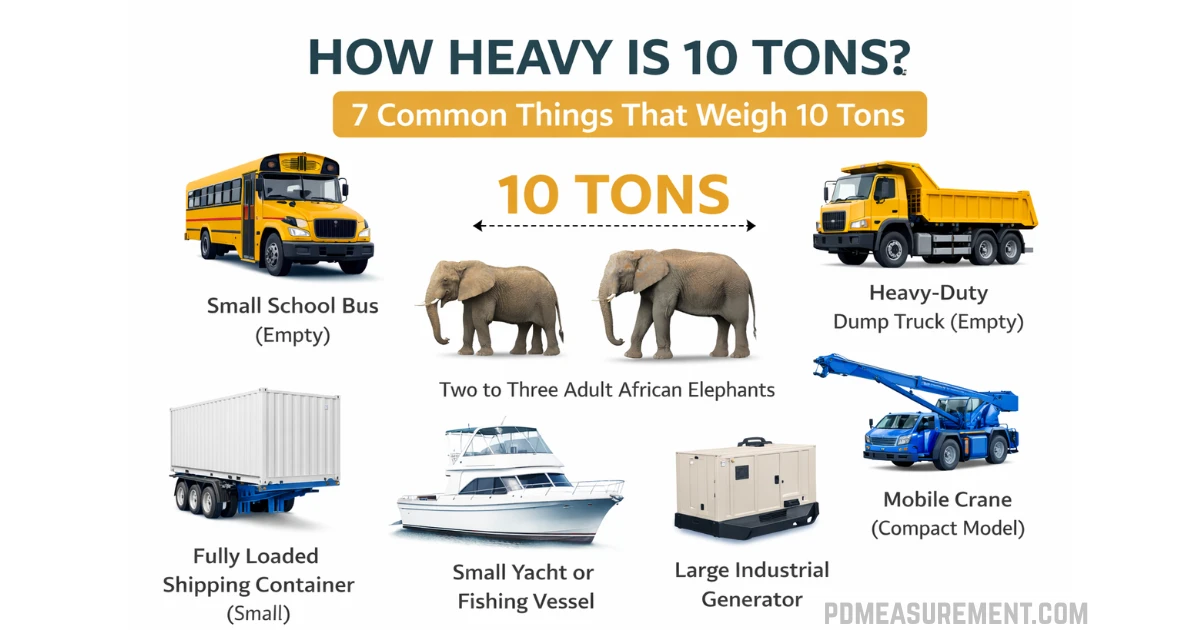
This weight appears frequently in excavators, dump trucks, shipping containers, yachts, elephants, and concrete structures. Engineers design cranes, forklifts, and transport systems specifically to handle 10-ton loads safely.
7 Common Things That Weigh 10 Tons
These real-world examples demonstrate exactly how heavy 10 tons is in practical contexts. From wildlife to industrial machinery, this weight represents genuinely massive objects.
Small School Bus (Empty)
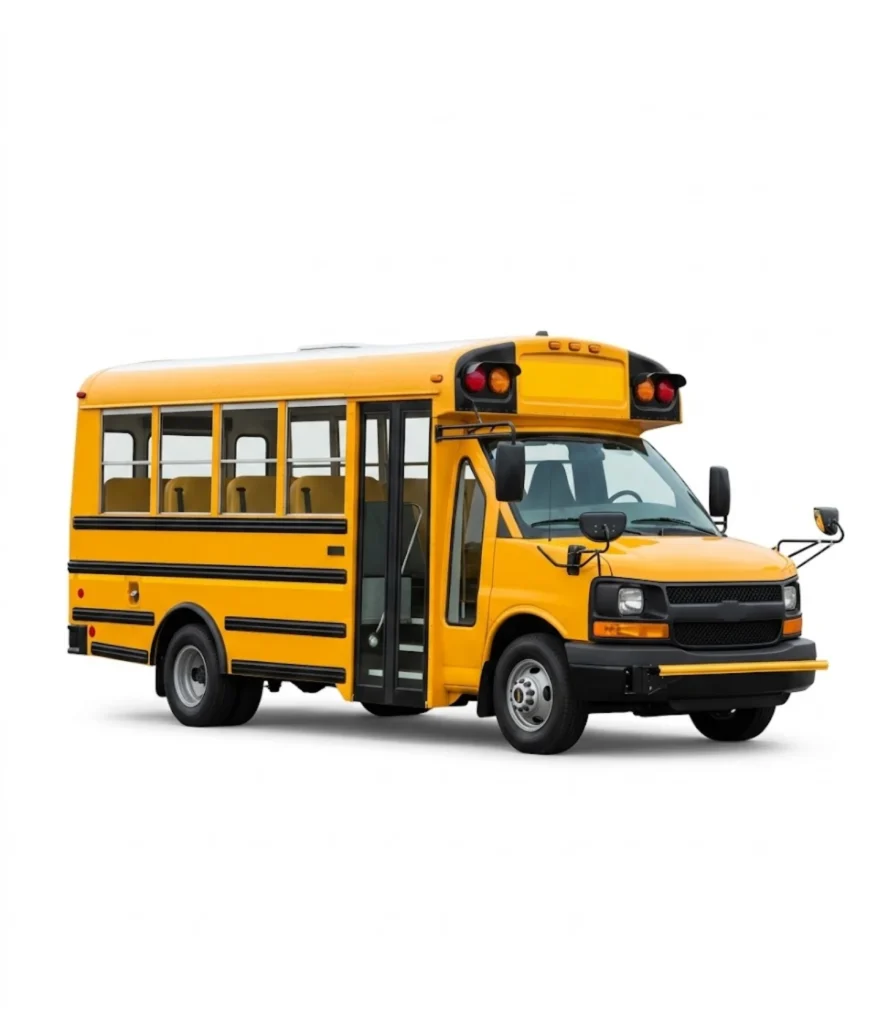
A standard small school bus weighs approximately 10 to 14 tons empty depending on size and configuration. The Type A school bus, commonly used for smaller routes, typically weighs right around 10 tons without passengers.
School districts operate thousands of buses at this weight daily. The 10-ton measurement represents substantial vehicle mass requiring commercial driver’s licenses and special training.
Two to Three Adult African Elephants
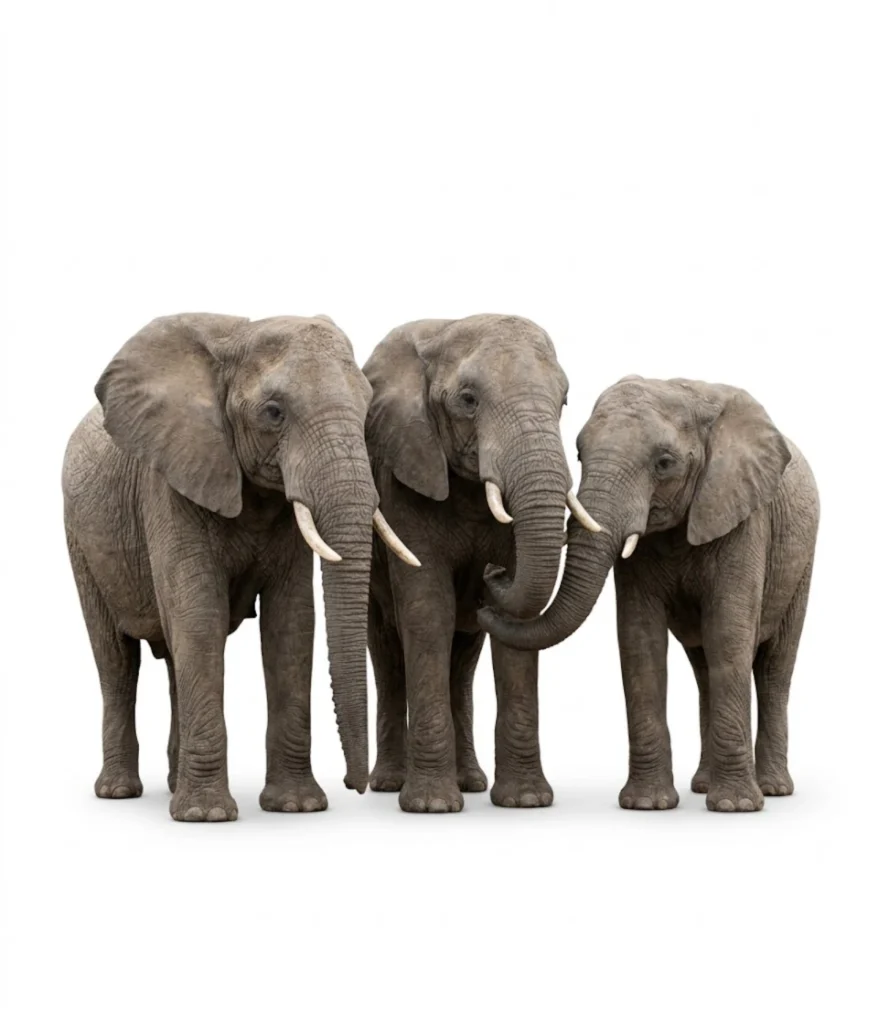
Adult African elephants weigh approximately 4 to 7 tons each, so two large males or three average adults combined equal roughly 10 tons. These magnificent creatures represent the largest land animals on Earth.
Wildlife conservationists track elephant weights as health indicators. The combined 10-ton measurement demonstrates the extraordinary biomass these keystone species represent in ecosystems.
Heavy-Duty Dump Truck (Empty)
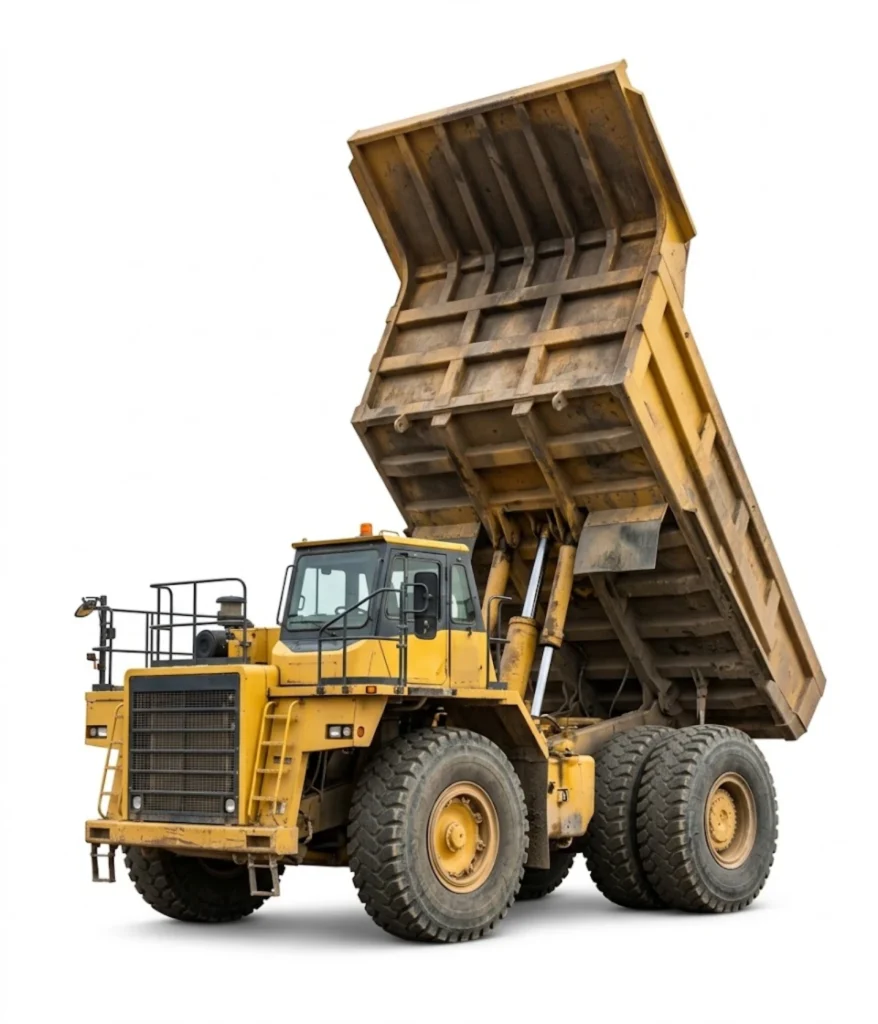
Commercial dump trucks used in construction weigh 8 to 12 tons empty before carrying payload. These industrial vehicles feature reinforced frames designed to haul additional tons of materials.
Construction companies rely on 10-ton dump trucks for earthmoving projects. The base weight supports hydraulic systems and structural integrity for heavy hauling.
Fully Loaded Shipping Container (Small)
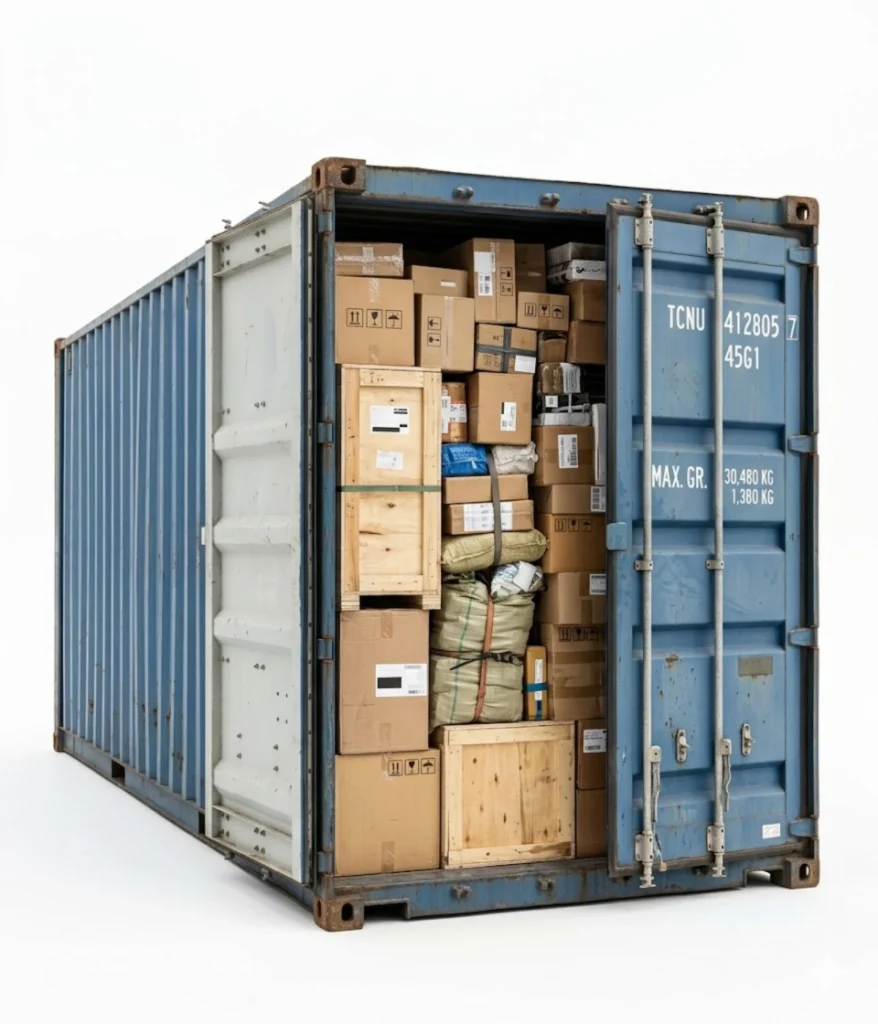
A 20-foot shipping container weighs approximately 2.3 tons empty but can hold up to 28 tons of cargo. With partial loading, containers frequently weigh exactly 10 tons during international transport.
Global commerce moves millions of containers at this weight across oceans daily. The 10-ton measurement represents standard intermodal freight handling capacity.
Small Yacht or Fishing Vessel
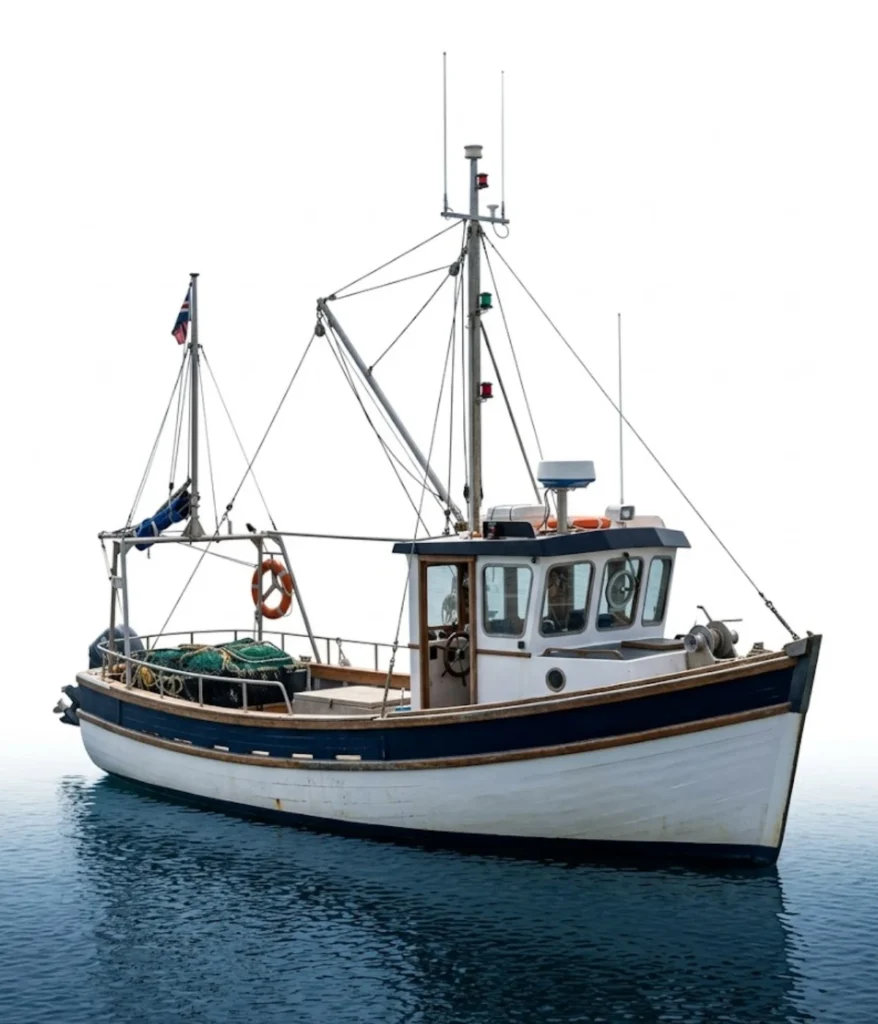
Recreational yachts and commercial fishing boats in the 30 to 40-foot range weigh approximately 8 to 12 tons. These marine vessels include engines, fuel, equipment, and structural hull weight.
Marinas accommodate boats weighing 10 tons using specialized boat lifts and cranes. The weight determines docking requirements and transportation logistics.
Mobile Crane (Compact Model)
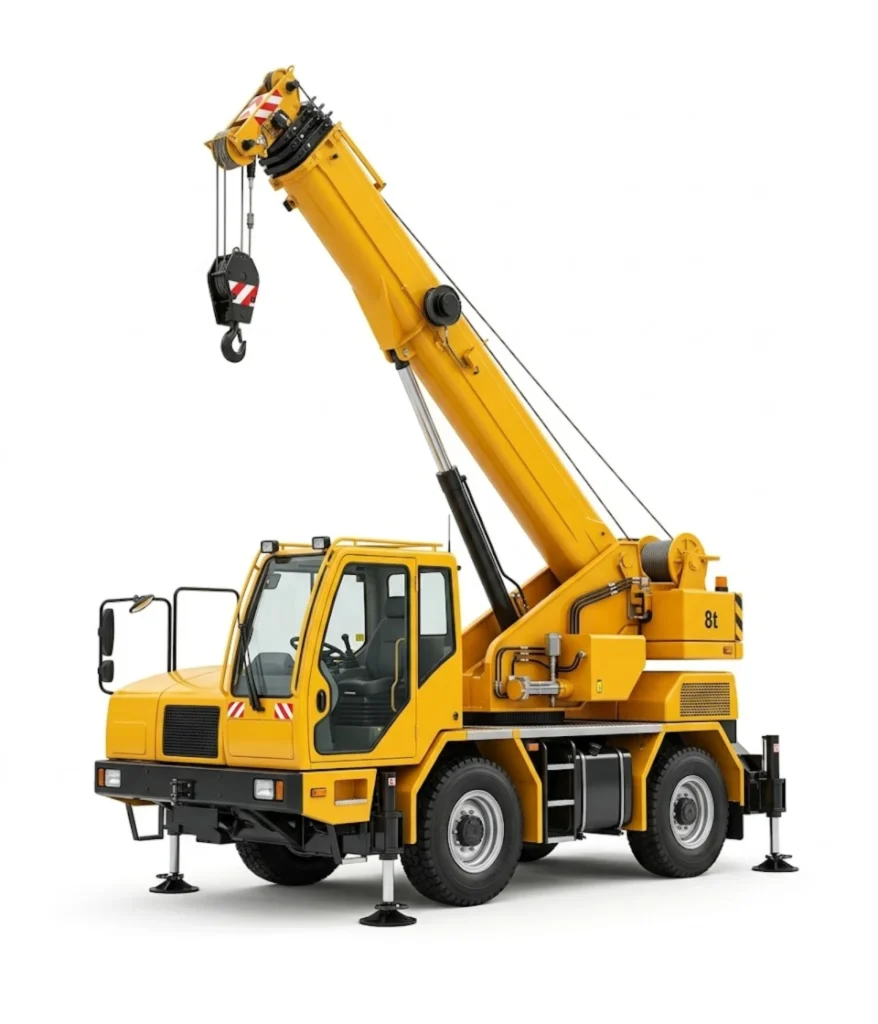
Small mobile cranes and boom trucks weigh approximately 10 to 15 tons depending on configuration and boom length. These construction vehicles provide lifting capacity while remaining road-transportable.
Construction supervisors deploy 10-ton cranes for mid-range lifting jobs. The weight balances mobility with substantial lifting capability for building projects.
Large Industrial Generator
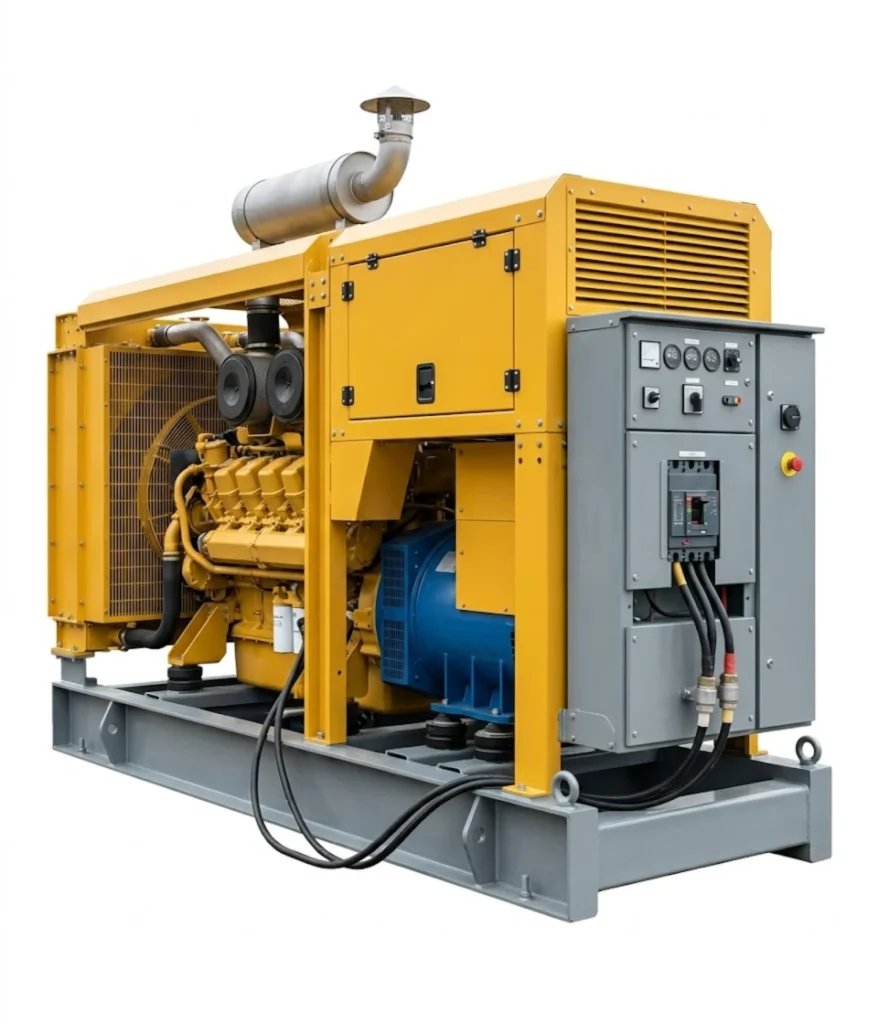
Commercial backup generators for hospitals, data centers, and industrial facilities weigh 8 to 12 tons depending on power output. These massive diesel or natural gas engines provide emergency electrical supply.
Facility managers install 10-ton generators on reinforced concrete pads. The weight requires professional rigging and structural engineering for proper placement.
10 Tons Looks Like in Different Contexts
10 tons equals 20,000 pounds or approximately 9,072 kilograms. Here’s how this massive weight appears across real-world situations.
Construction & Cranes
In construction, a 10-ton lifting capacity is common for mid-sized mobile cranes and many tower cranes. Contractors routinely specify equipment by tonnage to safely lift steel beams, concrete panels, or heavy machinery. 10 tons is a practical benchmark for many medium-scale building projects.
Shipping & Freight
In shipping and logistics, 10 tons is a significant cargo threshold. It often triggers different freight classifications, specialized handling equipment, and higher shipping rates. Standard parcel services stop far below this weight, so 10-ton loads usually require dedicated freight carriers and careful route planning.
Wildlife & Animal Mass
In nature, 10 tons represents enormous animal weight. While the largest land mammals (elephants) can approach or exceed this, many marine animals like adult orcas (killer whales) regularly weigh well over 10 tons. It highlights just how massive the ocean’s largest creatures truly are.
Transportation & Heavy Vehicles
Vehicles weighing 10 tons or more usually require commercial driver’s licenses, special permits, and must follow weight-restricted routes. Bridge and road ratings specifically account for these heavy loads. Many large trucks, construction vehicles, and buses fall into or near this weight class when loaded.
10 Tons Matters in Real Life
Construction project planning requires understanding equipment weights for site preparation. The 10-ton measurement determines foundation requirements and ground stability needs.
Transportation logistics depend on knowing vehicle and cargo weights. Drivers must understand when 10-ton limits apply to routes and bridges.
Marine operations benefit from weight comprehension for boat handling. Marina operators size lifts and slips for vessels around 10 tons.
Wildlife conservation uses weight measurements to assess elephant population health. The 10-ton benchmark for multiple elephants indicates robust family groups.
Question’s
How heavy is 10 tons?
10 tons equals 20,000 pounds, 9,071.85 kilograms, or approximately the weight of a small school bus, two to three adult African elephants, five average cars, or a fully loaded small shipping container. It represents massive industrial-scale weight.
How many pounds are in a ton?
One US ton (short ton) equals exactly 2,000 pounds. This differs from the metric tonne (1,000 kilograms = 2,204.62 pounds) and the British long ton (2,240 pounds). In American usage, tons refer to 2,000-pound units.
What weighs 10 tons?
Things weighing 10 tons include small school buses, heavy dump trucks (empty), two to three elephants, small yachts, mobile cranes, large generators, and partially loaded shipping containers. This weight represents heavy machinery and substantial vehicles.
How many pounds are in 10 tons?
10 tons equals exactly 20,000 pounds (10 × 2,000 = 20,000 lbs). This substantial weight requires industrial equipment to lift, move, or transport safely.
What everyday item weighs a ton?
Common everyday items weighing approximately one ton (2,000 pounds) include small cars, grand pianos, riding lawn mowers, hot tubs (filled), and small boats with trailers. One ton represents substantial but manageable household-scale weight.
What is something that weighs 10 tons?
Objects weighing 10 tons include school buses, heavy construction equipment like excavators, small yachts, industrial generators, concrete Jersey barriers (multiple units), and steel beams for large buildings. This weight characterizes industrial and commercial equipment.
What animal is 10 tons?
No single land animal weighs 10 tons, but two to three adult African elephants combined reach this weight. In the ocean, adult orcas (killer whales) weigh 6 to 10 tons, and some whale species far exceed this measurement.
What weighs a ton example?
Examples of things weighing one ton (2,000 pounds) include compact cars like a Smart Fortwo, adult bison, grand pianos, filled hot tubs, small boats, and large riding lawn mowers. One ton represents achievable lifting capacity for consumer equipment.
What animal weighs one ton?
Animals weighing approximately one ton (2,000 pounds) include adult bison, large horses (draft breeds), adult saltwater crocodiles, large bears (polar and Kodiak bears), and young elephants. This weight represents large but not massive animals.
Conclusion
Ten tons represents extraordinary weight found in school buses, elephants combined, dump trucks, shipping containers, yachts, and industrial equipment. This mass equals 20,000 pounds or 9,072 kilograms and requires specialized machinery for safe handling.
Now that you understand common things that weigh 10 tons, you can better appreciate construction equipment capabilities, marine vessel specifications, wildlife conservation measurements, and transportation logistics. Use these familiar references when planning projects, understanding weight limits, or appreciating engineering achievements for better perspective and informed decision-making.
See More: How Heavy Is 300 Pounds? 7 Things That Weigh 300 Pounds (Lbs)

Hi, I’m Burhan Ali, the admin and author of PD Measurement. I write simple and clear blogs about PD measurement, measuring tools, and accurate sizing guides. My goal is to help readers understand measurements easily and make better decisions with confidence.