You’ve probably heard someone say they have “a buttload” of work to do. Sounds like slang, right? Here’s the twist: buttload measurement is actually a real historical unit. It’s not just internet humor—it’s legitimate liquid measurement from medieval England.
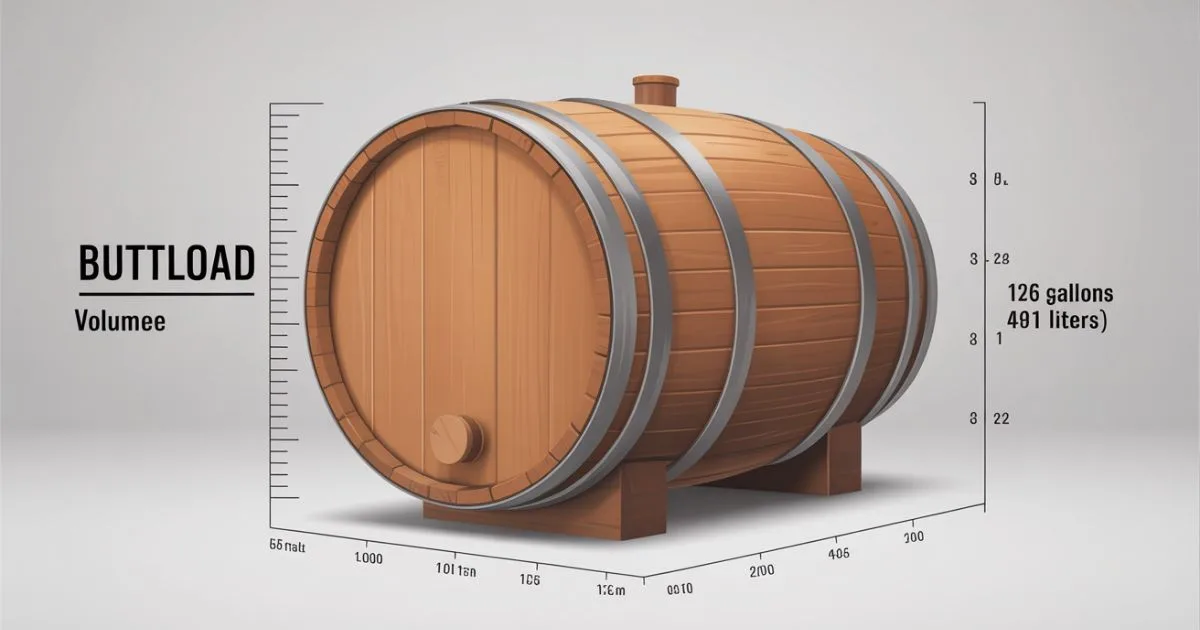
A buttload equals 126 US gallons. That’s roughly 491 liters of wine, ale, or other liquids stored in massive wooden casks. Let’s dig into how this quirky term went from barrels to everyday speech.
What Is a Buttload?
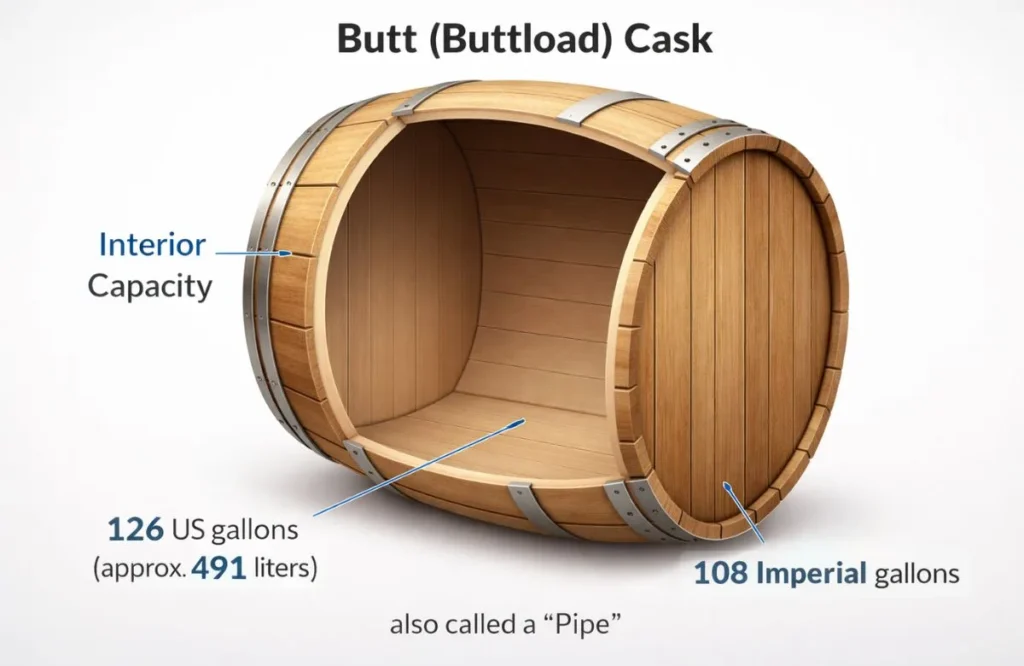
A buttload is a traditional English unit of liquid volume measuring approximately 126 US gallons or 108 imperial gallons. It originated as a “butt,” which was a large wooden cask used primarily for wine and ale storage during medieval times.
The butt cask was equal to two hogsheads, another barrel measurement. For wine, a butt held about 477 liters, while ale butts contained roughly 491 liters. The slight difference existed because wine and ale had different taxation and trade standards.
A “pipe” is another name for a butt, especially when talking about fortified wines like port or sherry. Same measurement, different name depending on what liquid filled the barrel. These massive containers were essential for long-distance trade and storage before modern bottling.
How the Buttload Measurement Was Used in Medieval Trade
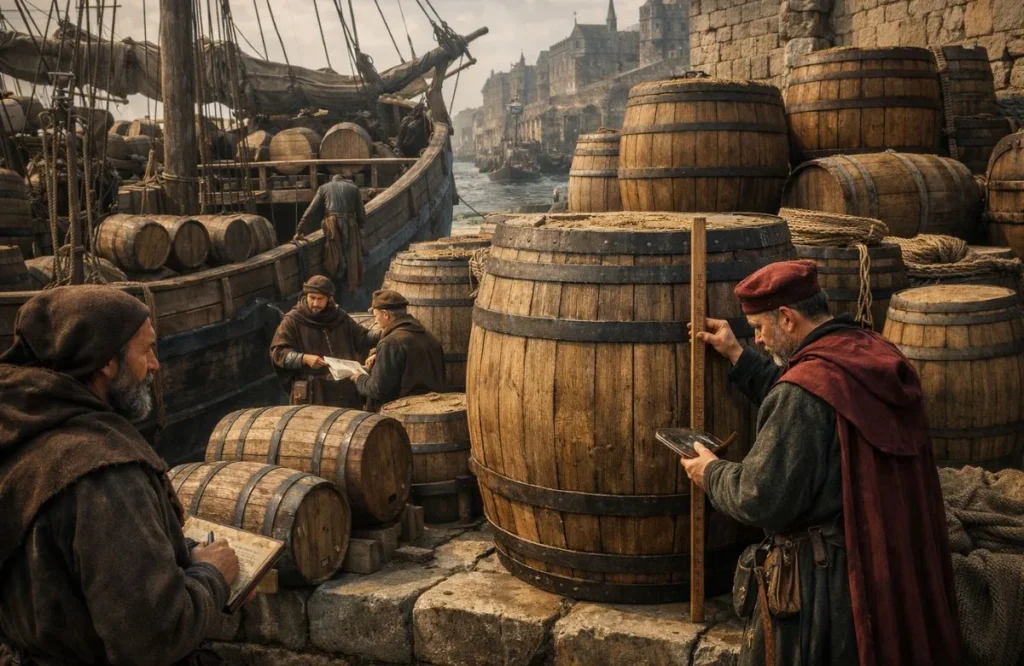
Medieval merchants relied on standardized barrel measurements for consistent trade across Europe. The butt was part of a complex system including tuns, puncheons, hogsheads, and firkins. Each size served specific purposes in commerce and taxation.
Wine and ale producers used butts for bulk storage and transportation. Ships could stack these barrels efficiently in cargo holds. Tax collectors also calculated duties based on how many butts a merchant shipped, making accurate measurement crucial for business.
The barrel measurement system prevented fraud and disputes. When everyone agreed a butt meant 126 gallons, buyers and sellers could trust transactions. This standardization helped European wine trade flourish during the Middle Ages and Renaissance.
From Historical Butt Cask to Modern Slang
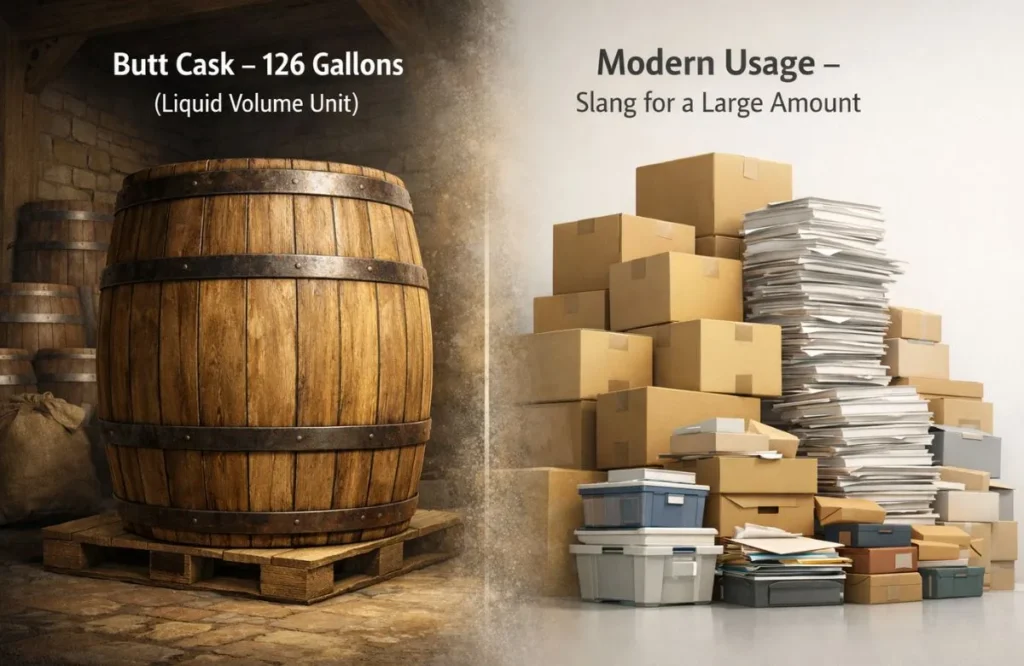
Today, “buttload” means a large, unspecified amount of something. The term survived centuries because it sounds humorous while having legitimate historical roots. Americans especially love using it casually in conversation.
The transition from literal to figurative happened gradually. As barrel measurements became obsolete with modern bottling, the term stuck around in everyday language. Its comedic sound value kept it alive long after butts disappeared from warehouses.
Language experts note that authentic historical origins make slang terms more resilient. “Buttload” endured because it’s both funny and factually grounded. It’s one of those rare words where the joke actually has educational value.
Buttload vs. Other Barrel Measurements
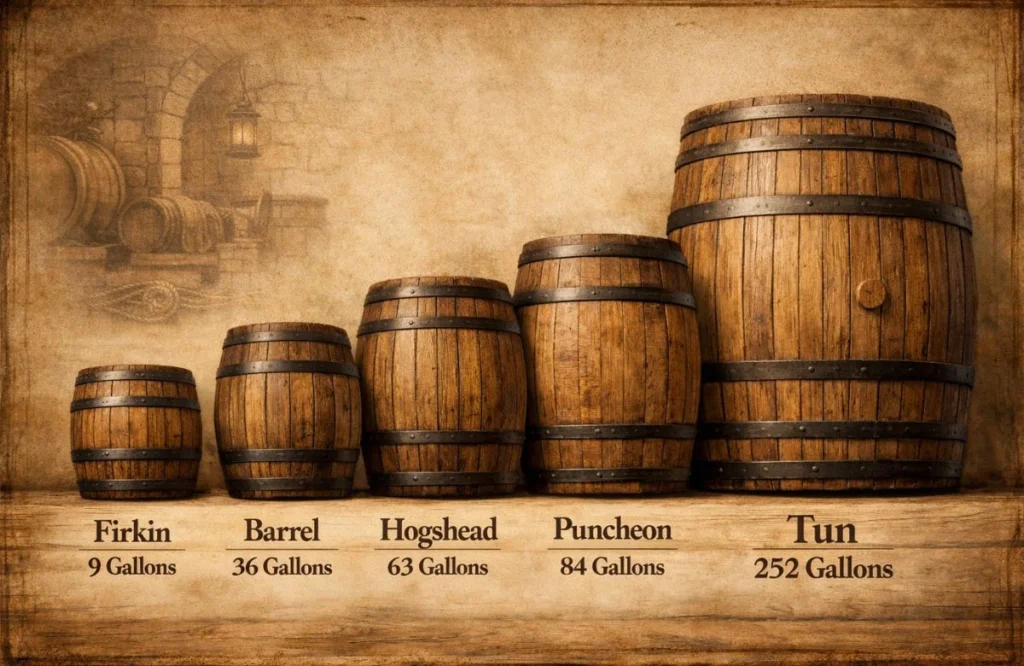
The barrel measurement hierarchy went from smallest to largest. A firkin held about 9 gallons, a barrel contained 36 gallons, and a hogshead measured 63 gallons. The butt at 126 gallons was double a hogshead.
A tun was the king of casks at 252 gallons—exactly two butts. These enormous containers required multiple workers to move and were typically used only for major wine estates or shipping operations. Most taverns and merchants stuck with butts and hogsheads for practical reasons.
Puncheons fell between hogsheads and butts at 84 gallons. Different regions sometimes varied these measurements slightly, but the basic system remained consistent across England and its trading partners throughout medieval Europe.
Question’s
Why is a buttload 126 gallons?
A buttload equals 126 US gallons because it’s based on the traditional English butt cask, which held approximately 108 imperial gallons (126 US gallons) of wine or ale.
What measurement is a buttload?
A buttload is a historical liquid volume measurement equal to 126 US gallons (491 liters), originally used for wine and ale casks in medieval England.
What is 126 gallons of wine called?
126 gallons of wine is called a “butt” or “pipe” in historical barrel measurements, commonly used in wine trade and storage.
Is a buttload a real measurement of weight?
No, a buttload is a measurement of liquid volume (126 gallons), not weight, though the actual weight depends on what liquid fills the cask.
Conclusion
The buttload measurement proves language history can be both educational and entertaining. What started as a practical 126-gallon wine cask became one of English’s most colorful expressions. Next time someone mentions having a buttload of anything, you’ll know they’re accidentally referencing medieval commerce.
Historical measurements connects us to how trade and commerce shaped modern life. The butt cask might be obsolete, but its legacy lives on every time we exaggerate about large quantities with a smile.
See Also: Full Size Bed Measurement: Dimensions Guide (2026)

Hi, I’m Burhan Ali, the admin and author of PD Measurement. I write simple and clear blogs about PD measurement, measuring tools, and accurate sizing guides. My goal is to help readers understand measurements easily and make better decisions with confidence.