Two feet represents a compact yet substantial measurement that appears constantly in furniture, tools, and household items. This length equals exactly 24 inches or approximately 61 centimeters.
Whether you’re organizing storage or shopping for furniture, recognizing common 2-foot objects gives you an instant reference point. Let’s explore the everyday items that perfectly demonstrate this practical measurement.
How Long Is 2 Feet?
Two feet equals 24 inches or 60.96 centimeters. It’s exactly the length of two standard 12-inch rulers placed end-to-end. This compact measurement fits comfortably on most tabletops and shelves.
Your forearm from elbow to fingertips measures approximately 18 to 20 inches for most adults, making it very close to 2 feet. This body reference makes the measurement instantly relatable and available anywhere.
Things That Measure 2 Feet Long
These everyday items demonstrate exactly how long 2 feet is in real life. From your workspace to your kitchen, this measurement shows up everywhere once you start noticing.
Two Standard Rulers (End-to-End)

Two 12-inch rulers placed end-to-end measure exactly 24 inches or 2 feet. This simple combination creates the most precise 2-foot reference available. Every classroom and office has rulers for this visualization.
Students and professionals use this mental trick when estimating measurements. The familiar ruler length doubled makes 2 feet instantly understandable.
Small Side Table or Stool
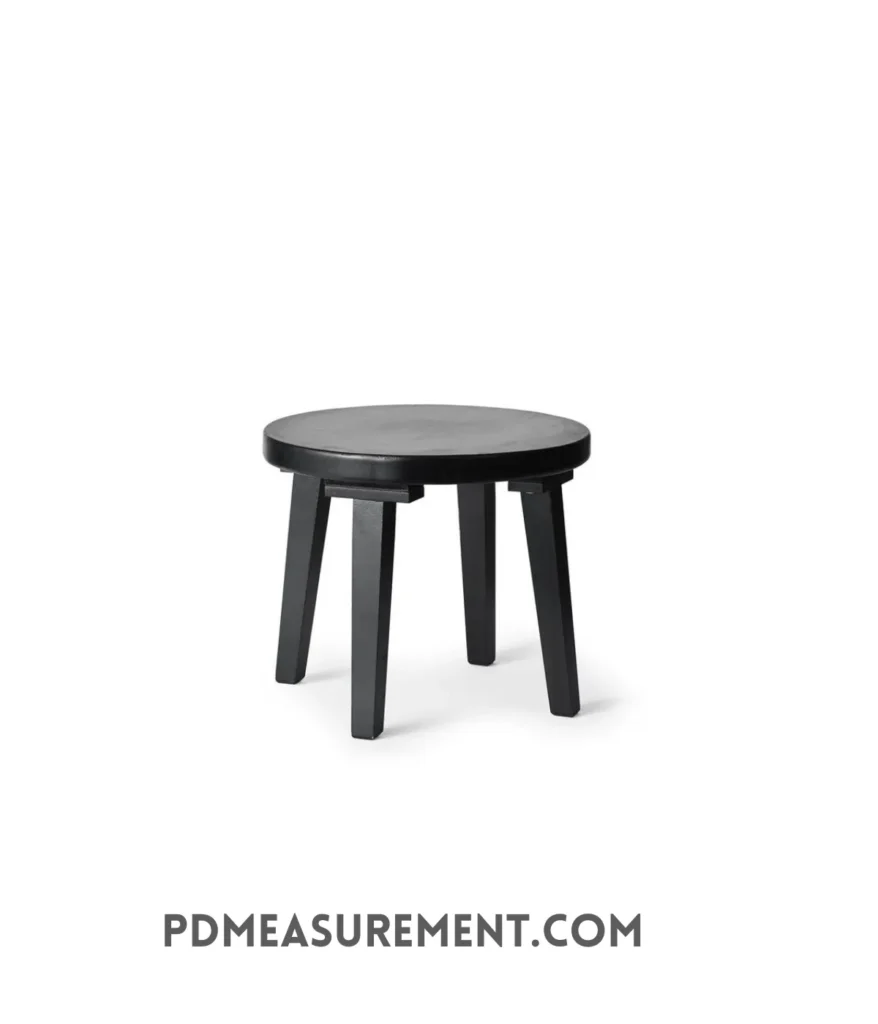
Compact side tables and footstools typically measure 18 to 24 inches wide, with 2 feet being extremely common. These furniture pieces fit perfectly beside chairs and beds in small spaces.
Interior designers specify 2-foot side tables for tight living rooms and bedrooms. The width provides adequate surface area without overwhelming spaces.
Kitchen Cutting Board (Large)
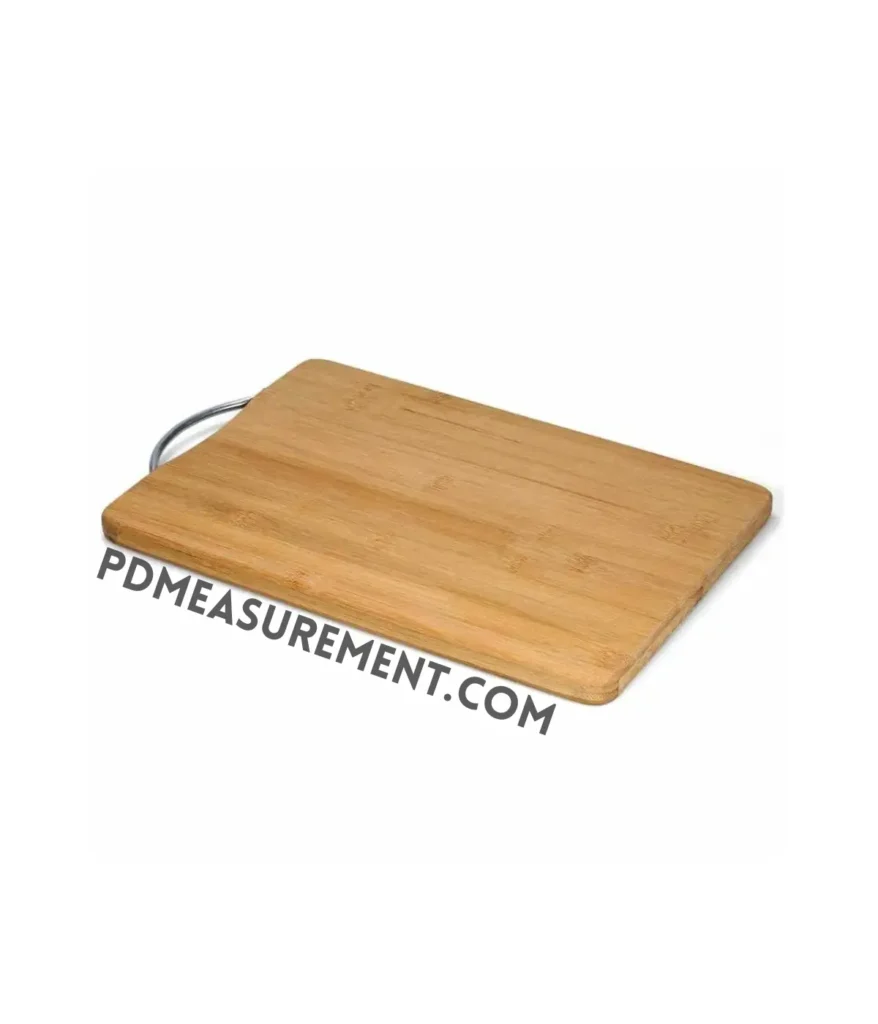
Professional cutting boards often measure 18×24 inches or 20×24 inches, making 2 feet a standard dimension. These boards provide ample chopping space for meal preparation.
Home cooks and chefs use 2-foot cutting boards for large vegetables and meat portions. The size balances workspace with sink compatibility.
Standard Yardstick (Partial Length)

A yardstick measures 36 inches total, so two-thirds of its length equals 24 inches or 2 feet. This measurement tool demonstrates the proportion clearly.
Crafters and builders reference yardsticks constantly for projects. Understanding that 2 feet represents two-thirds helps with quick estimates.
Laptop Sleeve (Large Models)

Protective sleeves for 17-inch laptops measure approximately 18 to 24 inches long including padding. These accessories demonstrate 2 feet in tech contexts.
Tech professionals carry large laptop sleeves for workstations and gaming computers. The 2-foot dimension accommodates oversized devices comfortably.
Skateboard Deck

Standard skateboard decks measure 28 to 32 inches long, with shorter cruiser boards hitting closer to 24 inches or 2 feet. These recreational boards provide compact, maneuverable riding.
Skateboarders recognize cruiser sizes around 2 feet as beginner-friendly options. The shorter length improves control for learning tricks.
Small Shelf or Floating Shelf
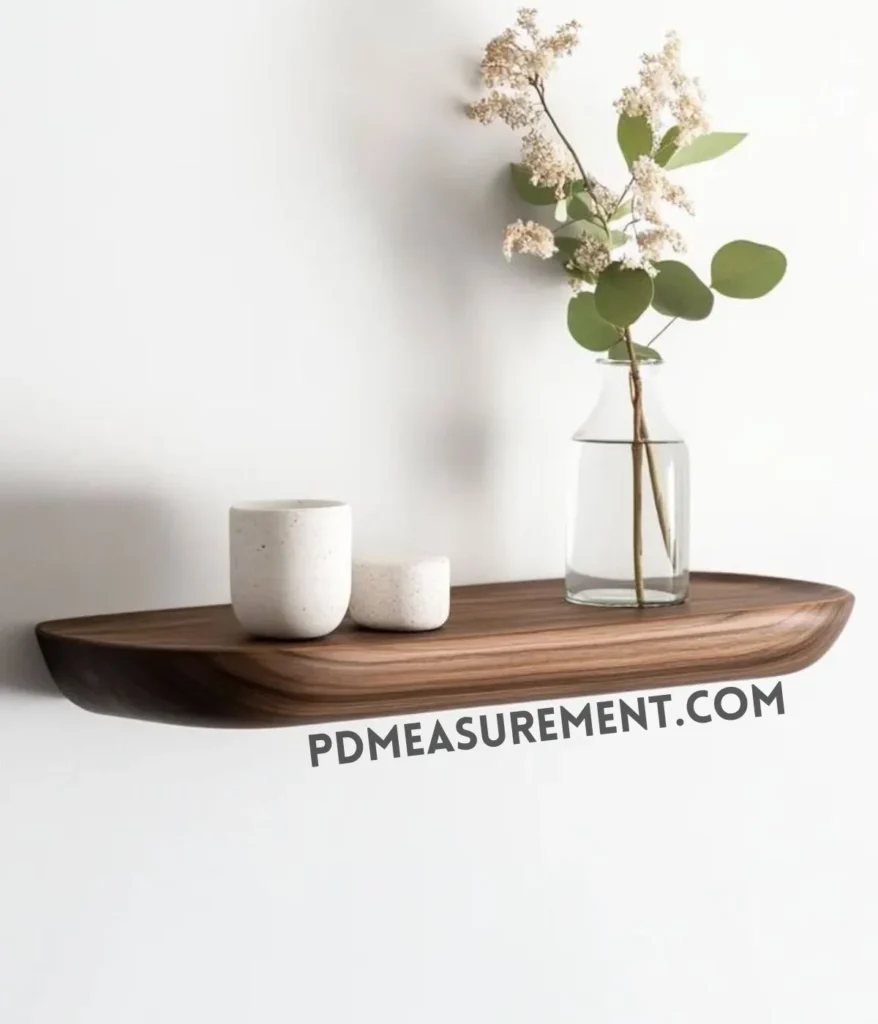
Decorative floating shelves commonly measure 18 to 24 inches wide, with 2 feet being a popular standard. These wall-mounted shelves display photos, books, and décor efficiently.
Home organizers install 2-foot shelves in bathrooms, kitchens, and hallways. The width fits standard wall stud spacing perfectly.
Two Large Hardcover Books (Stacked)

Hardcover books measure approximately 10 to 12 inches tall, so two stacked together equal roughly 20 to 24 inches. This literary reference works in any home library.
Book lovers visualize stack heights when organizing shelves. Two large books demonstrate 2 feet in vertical orientation.
Standard Pillowcase Width

Standard pillowcases measure 20 to 22 inches wide, very close to 2 feet. King-size pillowcases measure exactly 20×40 inches, with the shorter dimension approaching this measurement.
Bedroom designers use pillowcase dimensions for bed planning. The familiar width helps visualize 2-foot measurements in soft furnishings.
Tool Box (Medium Size)

Medium-sized toolboxes measure approximately 20 to 24 inches long, perfect for storing hand tools and hardware. These storage solutions appear in garages and workshops worldwide.
DIY enthusiasts and contractors carry 2-foot toolboxes for job sites. The portable length balances capacity with manageability.
Window Planter Box

Decorative window boxes for flowers measure 18 to 24 inches long, with 2 feet accommodating standard window widths. These planters add curb appeal to homes.
Gardeners install 2-foot window boxes under kitchen and living room windows. The length displays seasonal flowers beautifully without excessive weight.
Fireplace Tool Set

Fireplace tool sets with stands measure approximately 24 to 30 inches tall, with compact models hitting 2 feet. These decorative tools include pokers, brushes, and tongs.
Homeowners place 2-foot tool sets beside fireplaces for convenient access. The height keeps tools organized without dominating hearth areas.
2 Feet Without Measuring
Everyday references to instantly visualize 2 feet (24 inches — about the length of two rulers end-to-end).
Forearm + A Bit More
Your forearm from elbow to fingertips is usually 18–20 inches for adults. Mentally add 4–6 more inches to reach 2 feet (24 inches).
Two Standard Rulers End-to-End
A normal ruler is 12 inches. Place two rulers end-to-end — that’s exactly 24 inches or 2 feet. Easy mental trick anywhere.
Small Side Table or Footstool
Most small side tables, coffee tables, or footstools are around 2 feet wide or in diameter — look around your living room for this common furniture reference.
Large Cutting Board
Many professional or large kitchen cutting boards measure close to 2 feet in length or width — grab one from your kitchen for a practical reference.
2 Feet Matters in Everyday Life
Furniture shopping improves when you understand standard dimensions. Knowing what 2 feet looks like helps you choose side tables, stools, and shelves that fit spaces perfectly.
DIY projects become more accurate when planning shelf installations, cabinet spacing, and material cuts. Understanding 2 feet helps with lumber and hardware selection.
Kitchen organization gets easier when selecting cutting boards, drawer organizers, and storage containers. The 2-foot dimension fits standard cabinet widths.
Home décor decisions improve when visualizing picture frame sizes, window boxes, and floating shelves. Understanding 2 feet prevents buying oversized decorative items.
Question’s
What is 2 feet long in inches?
Two feet equals exactly 24 inches (2 feet × 12 inches per foot = 24 inches). This conversion is fundamental for construction, sewing, and any project requiring measurements in smaller units.
How to measure 2 feet?
Place two standard 12-inch rulers end-to-end for an exact 2-foot measurement. Alternatively, use a tape measure or yardstick and mark the 24-inch point. Your forearm from elbow to fingertips approximates this length for quick estimates.
What size is 2 ft in cm?
Two feet equals 60.96 centimeters (often rounded to 61 cm for practical purposes). This metric conversion helps when working with international measurements or products labeled in centimeters.
What is the symbol for 2 feet?
The symbol for 2 feet is written as 2′ or 2 ft. The single apostrophe (‘) represents feet, while the double apostrophe (“) represents inches. So 2 feet 6 inches would be written as 2’6” or 2 ft 6 in.
Conclusion
Two feet appears constantly in side tables, cutting boards, shelves, toolboxes, and window boxes throughout residential spaces. This practical measurement equals 24 inches or two standard rulers placed end-to-end.
Now that you recognize common things that are 2 feet long, you can quickly estimate dimensions for furniture, DIY projects, kitchen equipment, and home organization. Use these familiar objects as references when shopping or planning spaces for accurate, confident measurements.
See More: 12 Things That Measure 10 Feet Long or Are Big

Hi, I’m Burhan Ali, the admin and author of PD Measurement. I write simple and clear blogs about PD measurement, measuring tools, and accurate sizing guides. My goal is to help readers understand measurements easily and make better decisions with confidence.