Three hundred grams equals approximately 0.66 pounds or 10.5 ounces, making it a moderate weight you encounter constantly in kitchens, stores, and daily activities. This measurement represents less than a pound yet feels substantial in your hand.
Whether you’re meal prepping, exercising, or organizing your home, recognizing common 300-gram items gives you practical reference points. Let’s explore the daily objects that perfectly demonstrate this useful weight.
How Heavy Is 300 Grams?
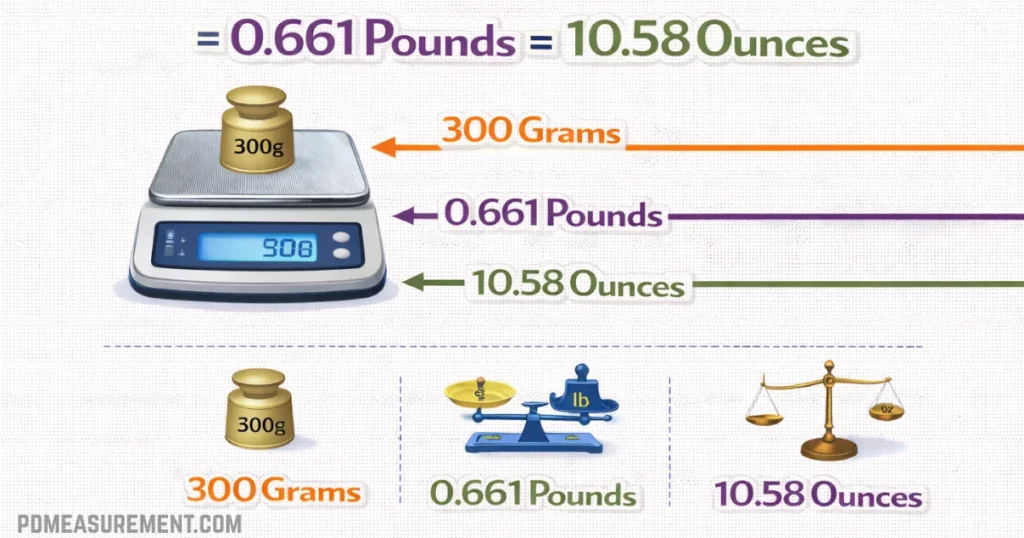
Three hundred grams equals 0.661 pounds or 10.58 ounces. It’s exactly 0.3 kilograms or 300,000 milligrams. This weight feels noticeable in your palm without causing strain or discomfort.
Your hand can comfortably hold 300 grams for extended periods without fatigue. This weight provides moderate resistance when lifting yet remains light enough for easy one-handed carrying.
This measurement appears frequently in protein portions, produce, books, and packaged goods. Nutritionists and chefs use 300 grams as a standard reference for meal portions and ingredient measurements.
Things That Weigh 300 Grams
These everyday items demonstrate exactly how heavy 300 grams feels in real life. From your refrigerator to your bookshelf, this weight appears more often than you’d expect.
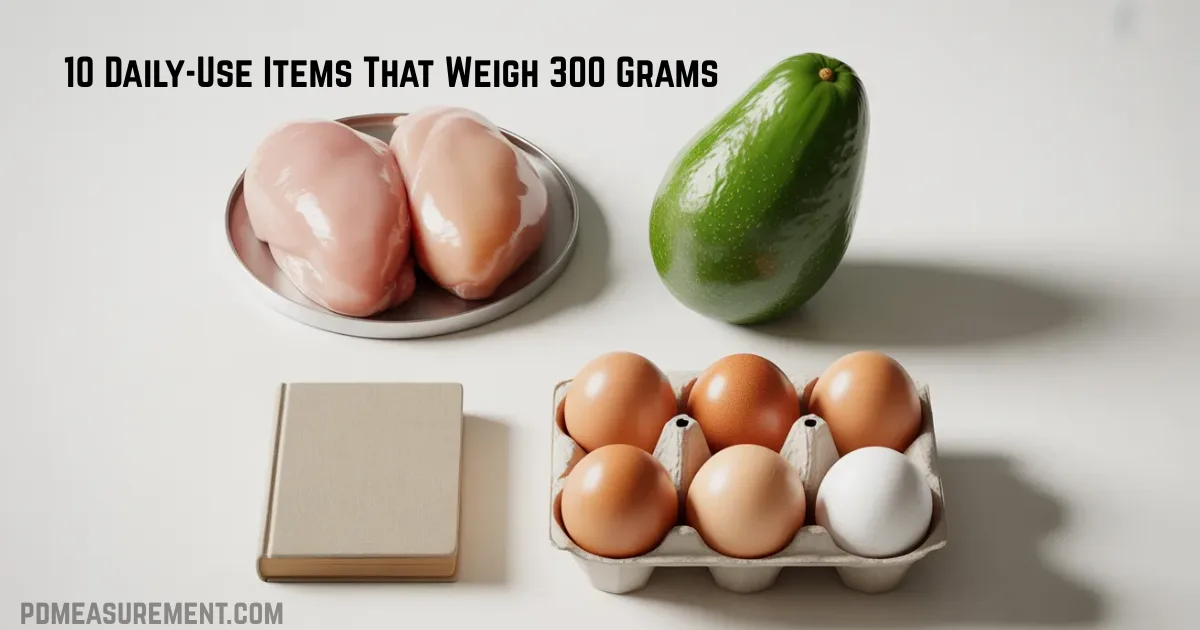
Two Chicken Breasts
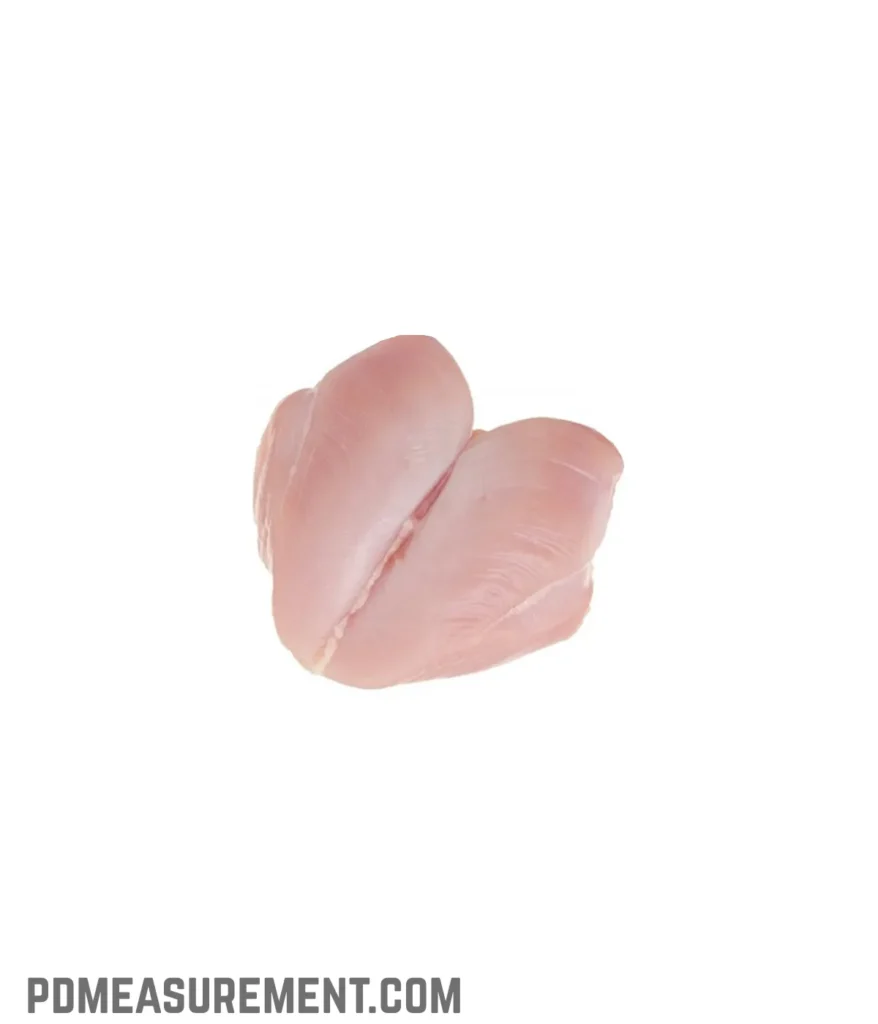
Two standard boneless, skinless chicken breasts weigh approximately 280 to 320 grams total, with most pairs hitting exactly 300 grams. This represents a common protein serving for two people.
Meal preppers portion chicken breasts at this weight for balanced nutrition. The 300-gram measurement provides adequate protein without excess calories.
Large Hass Avocado
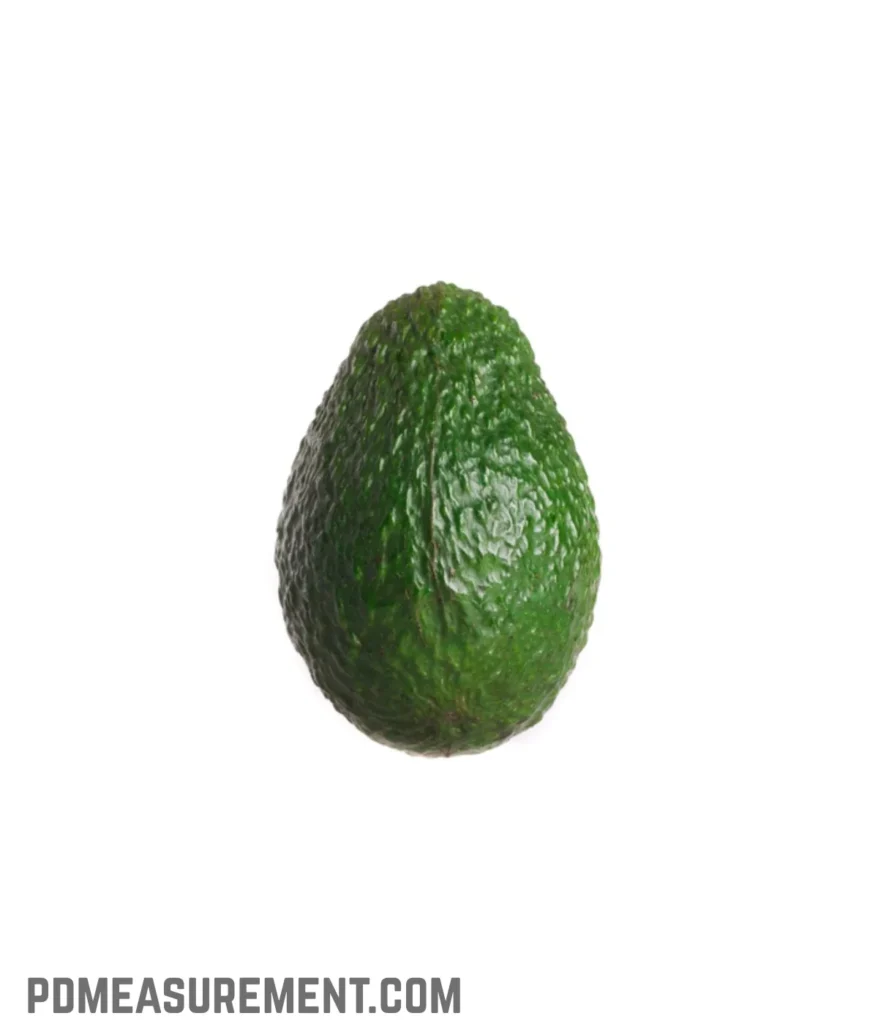
A large Hass avocado with skin and pit weighs approximately 250 to 350 grams, with many specimens measuring exactly 300 grams. This superfood provides healthy fats and creamy texture.
Health-conscious consumers select avocados by weight at grocery stores. The 300-gram size represents premium, fully ripe fruit perfect for guacamole.
Six Large Eggs
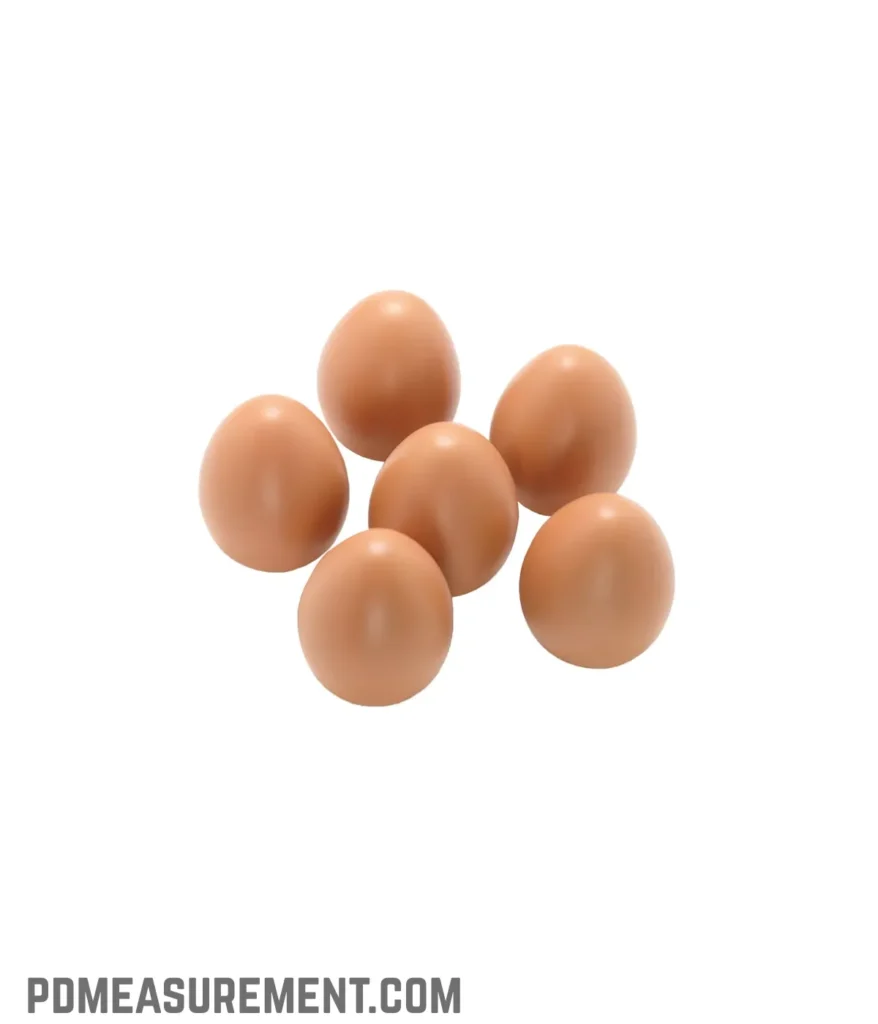
Six large eggs together weigh approximately 300 to 330 grams with shells, making them an excellent weight reference. Each large egg weighs about 50 grams on average.
Bakers measure eggs by weight for recipe precision. The half-dozen at 300 grams represents a common baking ingredient quantity.
Small Paperback Book
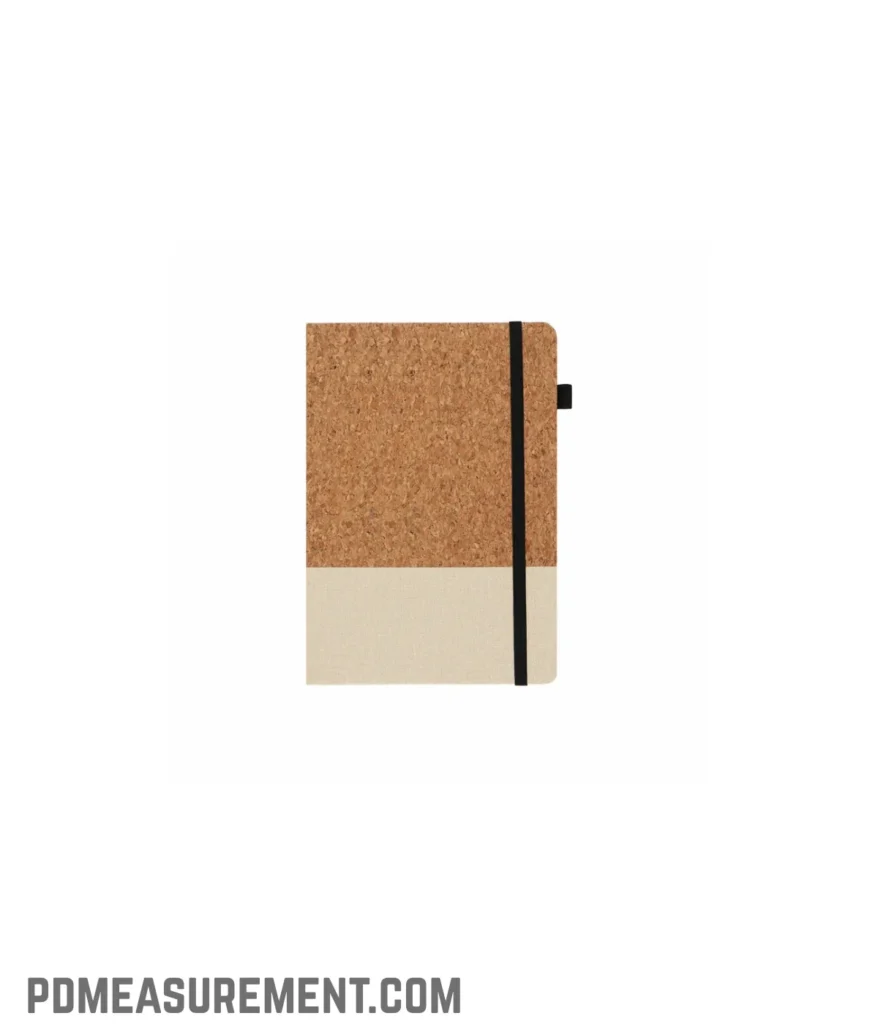
Mass-market paperback books typically weigh 250 to 350 grams, with many popular novels hitting exactly 300 grams. The weight includes paper, binding, and cover materials.
Book lovers carry paperbacks while commuting and traveling. The familiar 300-gram weight creates intuitive understanding through reading habits.
Large Apple
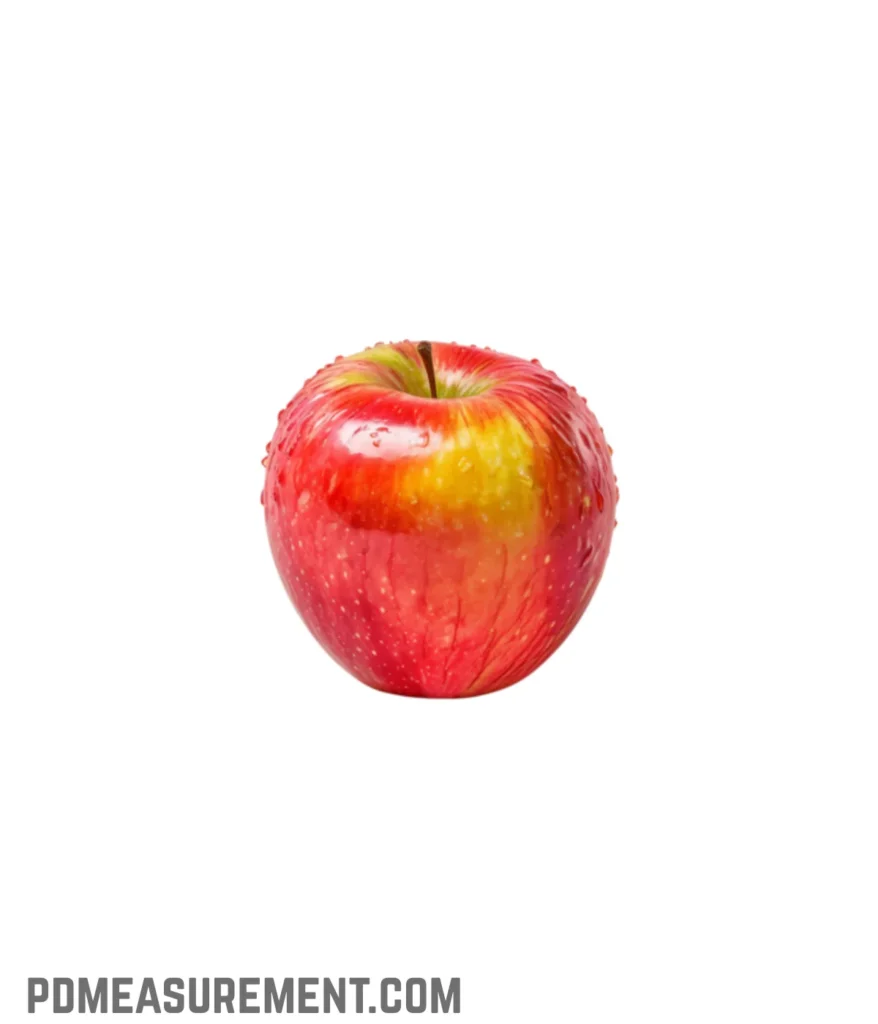
A large apple weighs approximately 250 to 300 grams depending on variety. Honeycrisp and Fuji apples frequently reach this weight when fully grown.
Nutritionists recommend eating whole fruits daily, and the 300-gram apple represents a generous single serving packed with fiber and vitamins.
Can of Soup (Standard Size)
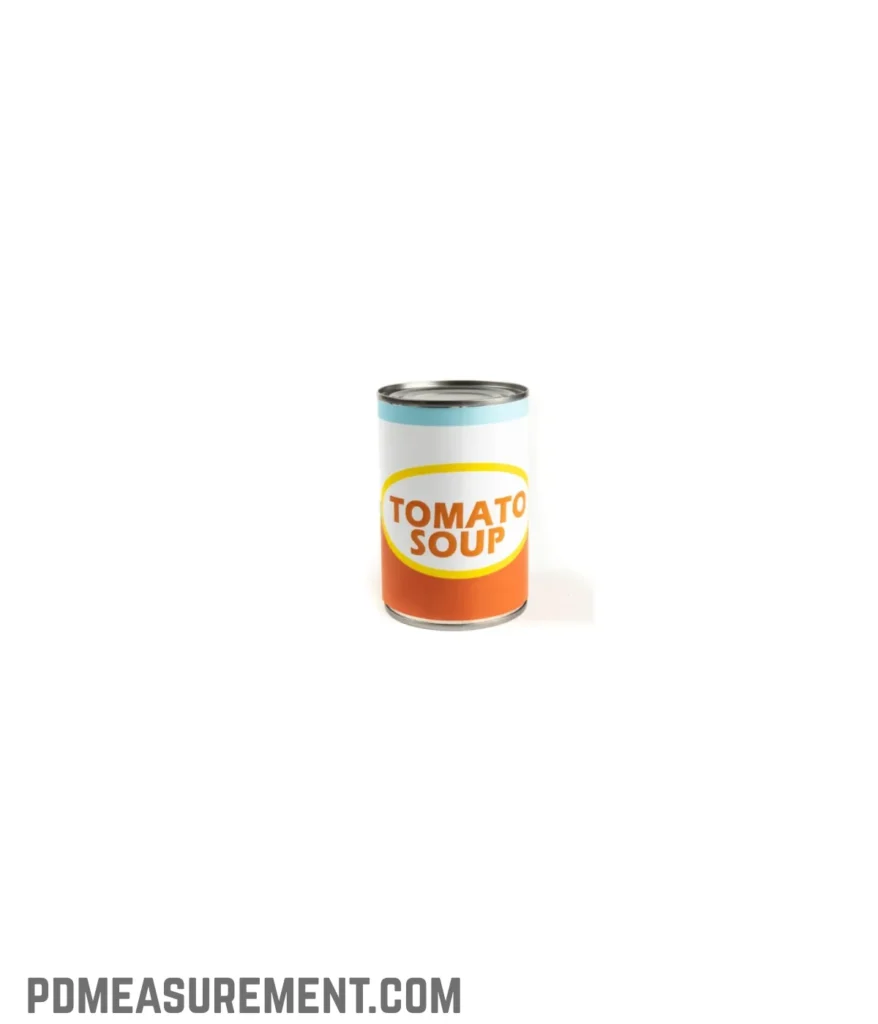
Standard soup cans measure 10.5 to 11 ounces (approximately 300 to 315 grams) including contents and packaging. These pantry staples provide quick meal solutions.
Busy households stock canned soup for convenient lunches. The 300-gram weight has become synonymous with single-serving soup portions.
Bundle of Bananas (3-4 Medium)
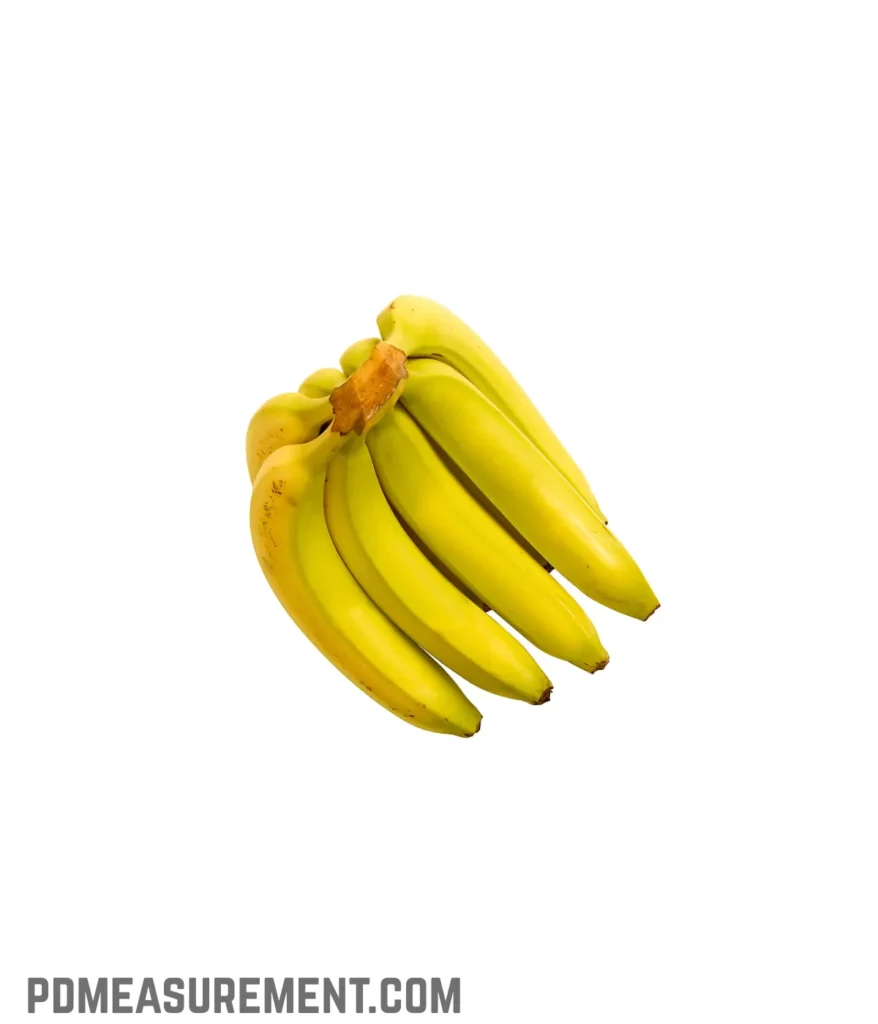
Three to four medium bananas together weigh approximately 300 to 350 grams with peels. This tropical fruit bundle provides natural energy and potassium.
Grocery shoppers select banana bunches by quantity and weight. The 300-gram portion represents typical household purchases for several days.
Standard Coffee Bag
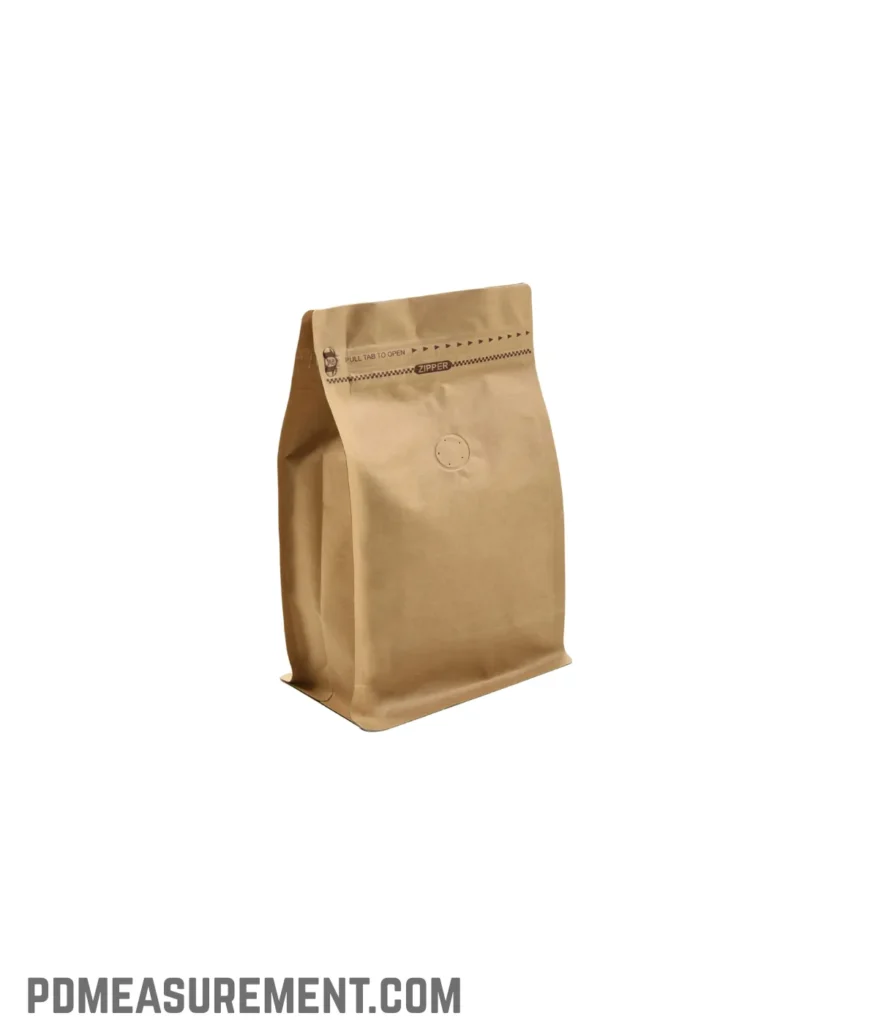
Specialty coffee bags sold at cafés often weigh exactly 300 grams (10.5 ounces). This size provides enough coffee for approximately 30 cups using standard brewing ratios.
Coffee enthusiasts recognize 300-gram bags as common retail packaging. The weight balances freshness with adequate supply for home brewing.
Two Cricket Balls
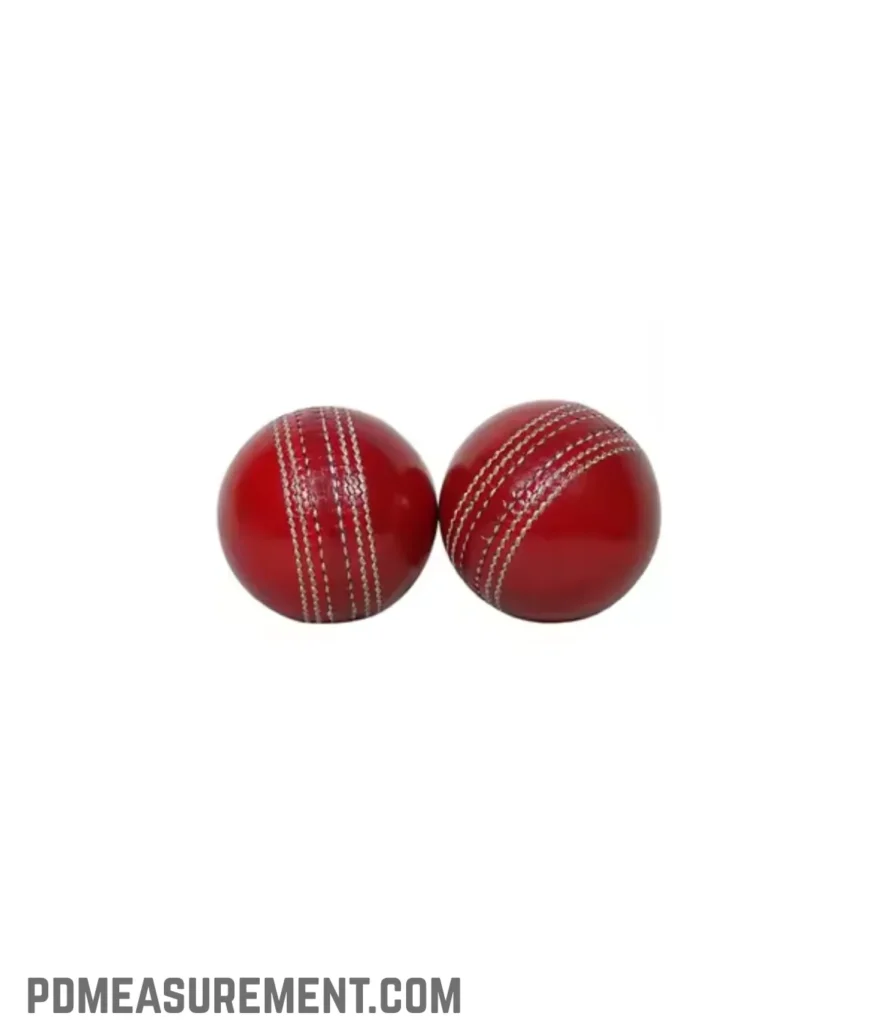
Regulation cricket balls weigh 155 to 163 grams each, so two balls together equal approximately 310 to 326 grams, very close to 300 grams. These leather sports equipment demonstrate the weight through spherical objects.
Cricket players worldwide handle balls at this weight constantly during matches and practice. The familiar density creates instant recognition of 300-gram resistance.
48 Canadian Loonie Coins
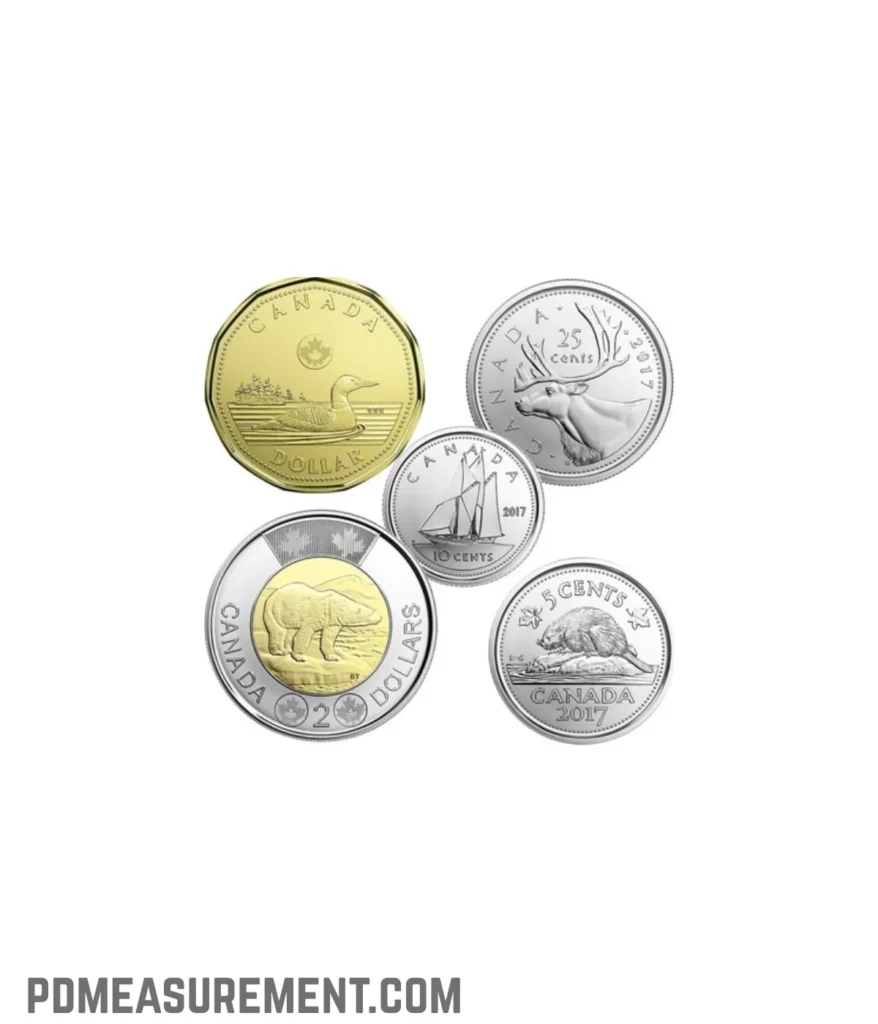
Canadian one-dollar coins (Loonies) weigh 6.27 grams each, so 48 coins equal approximately 301 grams. This makes coins an accurate portable weight reference.
Canadians handle Loonies daily for transactions. The mathematical precision of 48 coins provides a reliable 300-gram calibration tool.
300 Grams Without a Scale
Familiar kitchen, grocery, and household items to help you feel and remember what 300 grams (≈ 10.6 ounces) actually weighs in your hand.
Two Chicken Breasts
Two medium boneless, skinless chicken breasts (common portion size) together weigh very close to 300 grams. Hold them in your palm at the grocery store or kitchen — the balanced, meaty weight is a perfect cooking reference.
Large Hass Avocado
A premium/large Hass avocado (the bigger ones at the store) typically weighs right around 280–320 grams including skin and pit — very often landing near 300 grams. Pick one up to feel the solid, rounded heft.
Six Large Eggs
A half-dozen large eggs (with shells) weigh approximately 300 grams total. Grab six from your fridge carton — the cool, clustered weight in your hand is a reliable kitchen comparison.
Small Paperback Book
A typical mass-market paperback novel (around 300–400 pages) weighs very close to 300 grams. Pick up the book you’re currently reading or one from your shelf — the familiar paper-and-cover heft is an easy literary reference.
300 grams feels substantial but not heavy — about the weight of two chicken breasts, six eggs, a large avocado, or a good paperback. Use these common items to train your hand’s sense of this weight!
300 Grams Matters in Everyday Life
Meal portioning improves when you recognize 300-gram protein servings. Nutritionists recommend this weight as appropriate portions for healthy eating.
Grocery shopping becomes easier when you understand produce weights. Selecting 300-gram fruits and vegetables ensures proper quantities without waste.
Baking accuracy increases when you visualize ingredient weights. Professional recipes often specify 300-gram measurements for flour, sugar, and butter.
Fitness tracking succeeds when you estimate food weights correctly. Calorie counting and macro tracking require accurate 300-gram portion awareness.
Question’s
What is 300g equivalent to?
Three hundred grams equals 0.66 pounds, 10.5 ounces, two chicken breasts, six large eggs, a large avocado, or a small paperback book. It’s also equivalent to approximately 1.25 cups of dry ingredients or 300ml of liquid.
Can someone weigh 300kg?
Yes, though extremely rare, some individuals weigh 300 kilograms (661 pounds) due to severe obesity. However, this question likely confuses 300 grams with 300 kilograms—300 grams is far too light for human body weight.
What household items weigh 200 grams?
Common 200-gram household items include a large orange, a cup of cooked rice, a standard coffee mug filled with liquid, four large eggs, or a small smartphone. Many soap bars and candles also weigh approximately 200 grams.
How much does 300 grams weigh in pounds?
Three hundred grams weighs exactly 0.661 pounds or approximately two-thirds of a pound. It equals 10.58 ounces, making it a moderate weight commonly used for food portions and small packaged goods.
Conclusion
Three hundred grams appears constantly in your daily life through chicken breasts, avocados, eggs, books, apples, and coffee bags. This practical weight equals 0.66 pounds and serves as a fundamental measurement for cooking and nutrition tracking.
Now that you recognize common items that weigh 300 grams, you can quickly estimate weights without scales. Use these familiar objects as references when meal prepping, grocery shopping, portioning foods, or handling any task requiring 300-gram measurements for better accuracy and confident cooking.

Hi, I’m Burhan Ali, the admin and author of PD Measurement. I write simple and clear blogs about PD measurement, measuring tools, and accurate sizing guides. My goal is to help readers understand measurements easily and make better decisions with confidence.